Buckwheat Groats
Kuttu
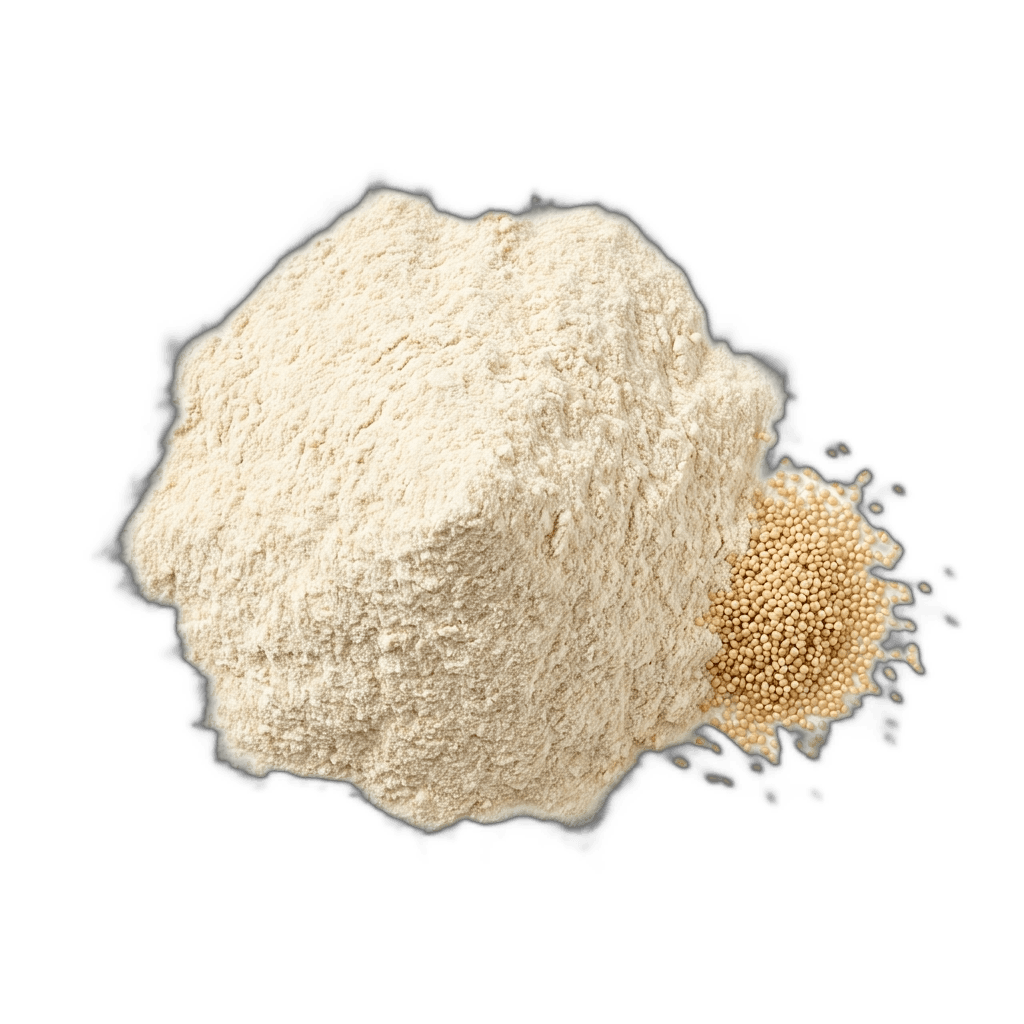
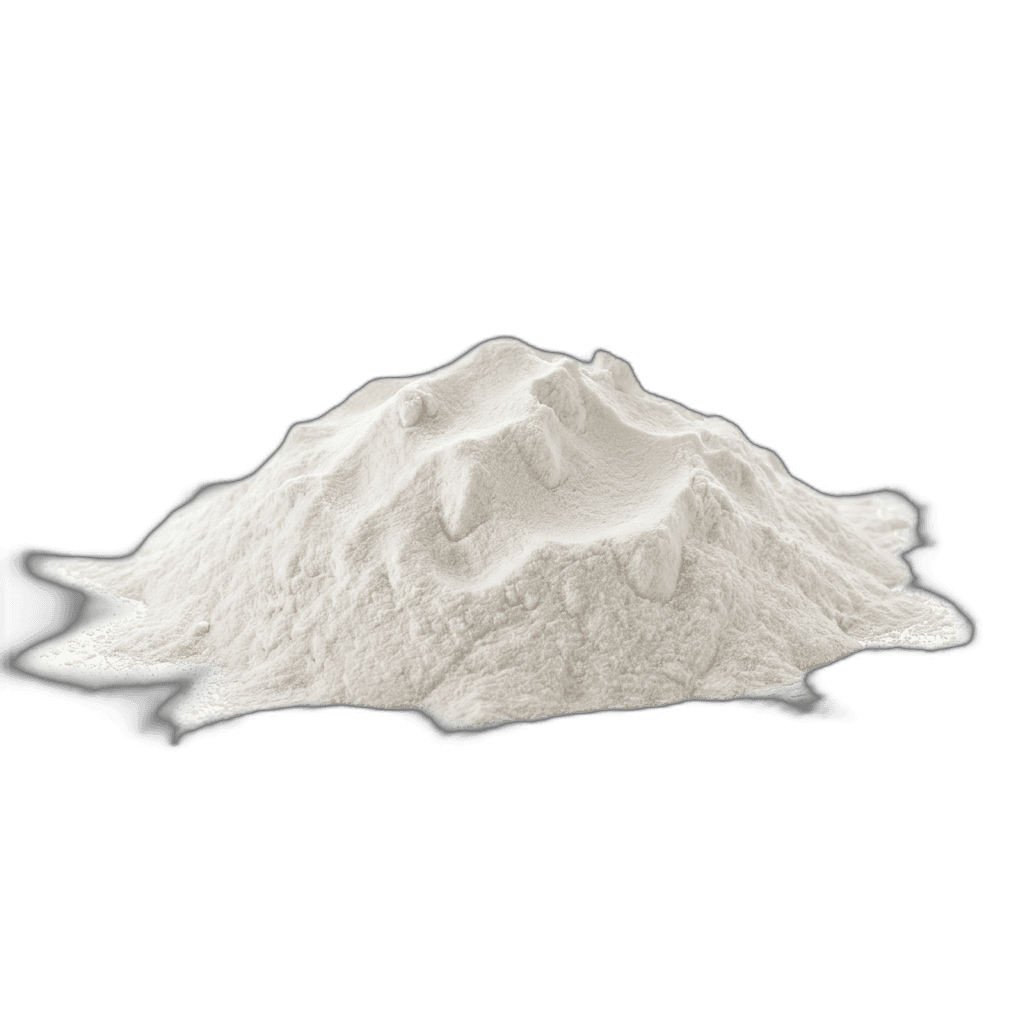
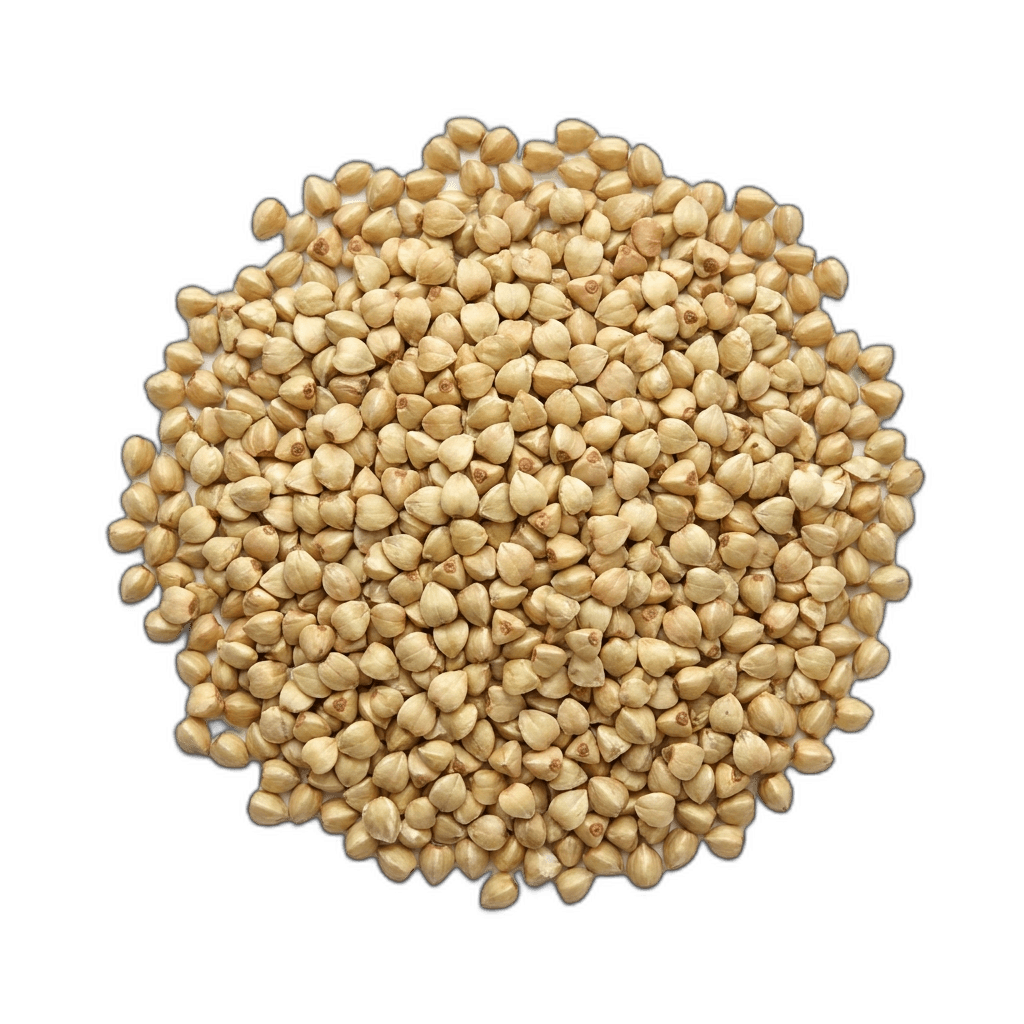
First cultivated across the high Himalayan belt of Uttarakhand and Himachal Pradesh, kuttu is a pseudocereal, not a grass, which makes it both naturally gluten-free and a cherished fasting (vrat) food. The hulled groats cook quickly to a soft, earthy, faintly grassy grain, while milled flour binds rotis, pancakes and halwa. A nourishing, mineral-rich staple equally at home in a whole-grain bowl or a Navratri kitchen.

Sealed at peak, shipped with provenance.
Packed in resealable, food-grade pouches that lock in aroma and colour — each labelled with its origin, grade and taste profile.
- Himalayan India (Uttarakhand & Himachal)
- Whole hulled groats
- Cleaned whole groat
- Naturally gluten-free pseudocereal
- Single-grain, no admixture; lab-tested
- 12+ months, ambient
Also known as · Kotu · Sarrasin · Grano saraceno · Fagopyrum esculentum
How to use it
Simmered into kuttu khichdi and grain bowls
Toasted as kasha for a nuttier finish
Milled into flour for vrat rotis and cheela
Cooked into halwa and porridge
Gluten-free base for salads and pilafs
Buckwheat Groats (Kuttu) are the hulled seeds of Fagopyrum esculentum, a naturally gluten-free pseudocereal sourced from India's Himalayan belt. Esteemed for its nutritional density and versatility, it serves as a key ingredient for health-conscious and gluten-free markets globally.
Sourcing & Origin
Treedha's Buckwheat Groats (Kuttu) originate from the pristine Himalayan belt of India, specifically from Uttarakhand and Himachal Pradesh. These regions, at elevations of 1,500-3,500 metres, provide the ideal cool, temperate climate for cultivating Fagopyrum esculentum. This high-altitude provenance contributes to the distinct flavour profile and nutritional integrity of our whole hulled groats.
Sourcing from these single-origin locations ensures full traceability and a consistent product for our bulk buyers. The traditional cultivation methods employed by local farmers in these areas help maintain the natural purity and quality that is highly valued in the global market, particularly for health-focused applications. This specific origin helps differentiate Treedha's offering in the competitive bulk grain trade.
Export Grades & Specifications
Our Buckwheat Groats (Kuttu) are offered as whole hulled groats, cleaned and processed to meet rigorous international standards. This involves careful dehulling to retain the whole kernel, ensuring maximum nutritional value and culinary versatility. We provide a single-grain product with no admixture, rigorously lab-tested for purity.
Key specifications focus on critical parameters for bulk trade, ensuring suitability for diverse applications from milling into flour (Sarrasin) to direct use in food products. These standards are maintained through precise processing, guaranteeing a premium offering for discerning importers and private-label partners.
| Specification | Standard |
|---|---|
| Purity | 99.2% Minimum |
| Whole Groat | 95.0% Minimum |
| Unhulled Kernels | 0.30% Maximum |
| Foreign Material | 0.60% Maximum |
| Stones | 0.05% Maximum |
| Moisture | Below 14% (recommended for storage) |
| Colour | Light green to tan/red |
| Aroma & Flavour | Typical sweet buckwheat |
Quality, Safety & Compliance
Treedha's Buckwheat Groats (Kuttu) are steam-sterilised and guaranteed ethylene-oxide (ETO) free, a crucial assurance for importers in regulated markets. Our commitment to safety is underpinned by stringent lab testing, ensuring compliance with global food safety standards, particularly for the EU and US.
We rigorously test for mycotoxins such as aflatoxins (B1, B2, G1, G2), adhering to the lower maximum levels set by the EU, and also for ochratoxin A. For heavy metals, our groats are tested to meet EU limits (e.g., cadmium 0.20 mg/kg, lead 0.2 mg/kg for cereals) and US FDA guidelines, especially for lead in grain-based products. Our products also meet 'Negative' (absent) criteria for Salmonella and are free from Sudan dyes (I, II, III, IV), which are banned in both the EU and US due to health concerns. We provide a comprehensive Certificate of Analysis (COA) with every shipment, along with mandatory Phytosanitary Certificates issued by the Directorate of Plant Protection, Quarantine & Storage (DPPQS) in India, and FSSAI Export Health Certificates as required.
Global Demand & Target Markets
Global demand for Buckwheat Groats (Kuttu, Kotu, Sarrasin, Grano saraceno) is robust, driven by evolving dietary trends. Leading import markets in 2023 included China, Japan, Italy, France, and the USA, indicating significant interest across Asia, Europe, and North America (Source: TrendEconomy).
Key drivers include the increasing demand for naturally gluten-free alternatives, making buckwheat ideal for individuals with coeliac disease or gluten intolerance. Its rich nutritional profile—high in protein, fibre, and antioxidants—aligns with the growing health-conscious eating trend. Furthermore, the rise of plant-based and vegan lifestyles positions buckwheat as a versatile plant protein source for various food applications. Treedha is well-positioned to serve these expanding markets, providing a reliable supply of premium Himalayan Buckwheat Groats.
Logistics, HS Code & Packing
The primary Harmonized System (HS) code for whole hulled Buckwheat Groats (Fagopyrum esculentum) in international trade is 1008.10. This classification is critical for smooth customs clearance for importers globally. For private-label buyers, Treedha offers flexible bulk packaging solutions, typically in 25kg or 50kg bags, or larger bulk totes, tailored to specific logistical and market requirements. We also accommodate custom packing in 500g and 1kg formats for direct retail repacking.
Our approach to Minimum Order Quantity (MOQ) is designed to support both established distributors and emerging private-label brands. We work collaboratively to define MOQs that are commercially viable, ensuring consistent supply without excessive initial commitment. Standard Incoterms (e.g., FOB, CIF) are offered, and our Buckwheat Groats boast a guaranteed shelf life of 12+ months when stored in ambient conditions, ensuring product integrity during transit and storage.
- freightamigo.com — freightamigo.com
- tariffnumber.com — tariffnumber.com
- flexport.com — flexport.com
- worldbank.org — worldbank.org
- trendeconomy.com — trendeconomy.com
- persistencemarketresearch.com — persistencemarketresearch.com
Questions
- Is kuttu the same as buckwheat?
- Yes. Kuttu (also spelt kotu) is the Indian name for buckwheat, Fagopyrum esculentum. Despite the name, it is not a wheat at all but a seed, which is why it is naturally gluten-free.
- Is buckwheat gluten-free?
- Yes. Buckwheat is a pseudocereal unrelated to wheat, so the groats and flour are naturally gluten-free, making them a popular choice for coeliacs and for Indian fasting (vrat) days.
- What is the difference between groats and kuttu flour?
- Groats are the whole hulled seeds, cooked like a grain for khichdi, kasha and bowls. Kuttu flour is the same seed milled fine, used to bind rotis, pancakes and halwa, especially during Navratri.
- What is Buckwheat Groats (Kuttu)?
- Buckwheat Groats are the dehulled seeds of the buckwheat plant (Fagopyrum esculentum), a gluten-free pseudocereal rich in nutrients, commonly used as a grain substitute or ground into flour (Sarrasin) for various culinary applications.
- Where does Treedha source its Buckwheat Groats from?
- Treedha's Buckwheat Groats are sourced directly from the single-origin Himalayan belt of India, specifically from high-altitude regions in Uttarakhand and Himachal Pradesh, ensuring unique provenance and quality.
- Are Treedha's Buckwheat Groats gluten-free and ETO-free?
- Yes, our Buckwheat Groats are naturally gluten-free and processed to prevent cross-contamination. They are also guaranteed ethylene-oxide (ETO) free, meeting international safety standards for bulk food imports.
- What certifications and compliance documents does Treedha provide?
- Treedha provides a comprehensive Certificate of Analysis (COA), Phytosanitary Certificates, and FSSAI Export Health Certificates. Our products comply with EU and US regulations for aflatoxins, heavy metals, MRLs, and are free from Sudan dyes and Salmonella.
- What are the common uses and global demand drivers for Buckwheat Groats (Grano saraceno)?
- Buckwheat Groats are highly versatile, used in porridges, salads, and for gluten-free baking. Global demand is driven by the rise of health-conscious eating, increasing demand for gluten-free products, and the growth of plant-based diets.
- What is the HS Code for Buckwheat Groats?
- The primary Harmonized System (HS) code for raw or minimally processed buckwheat seeds, including whole hulled groats like Kuttu, is 1008.10 in international trade.