Chaat Masala
Chaat Masala
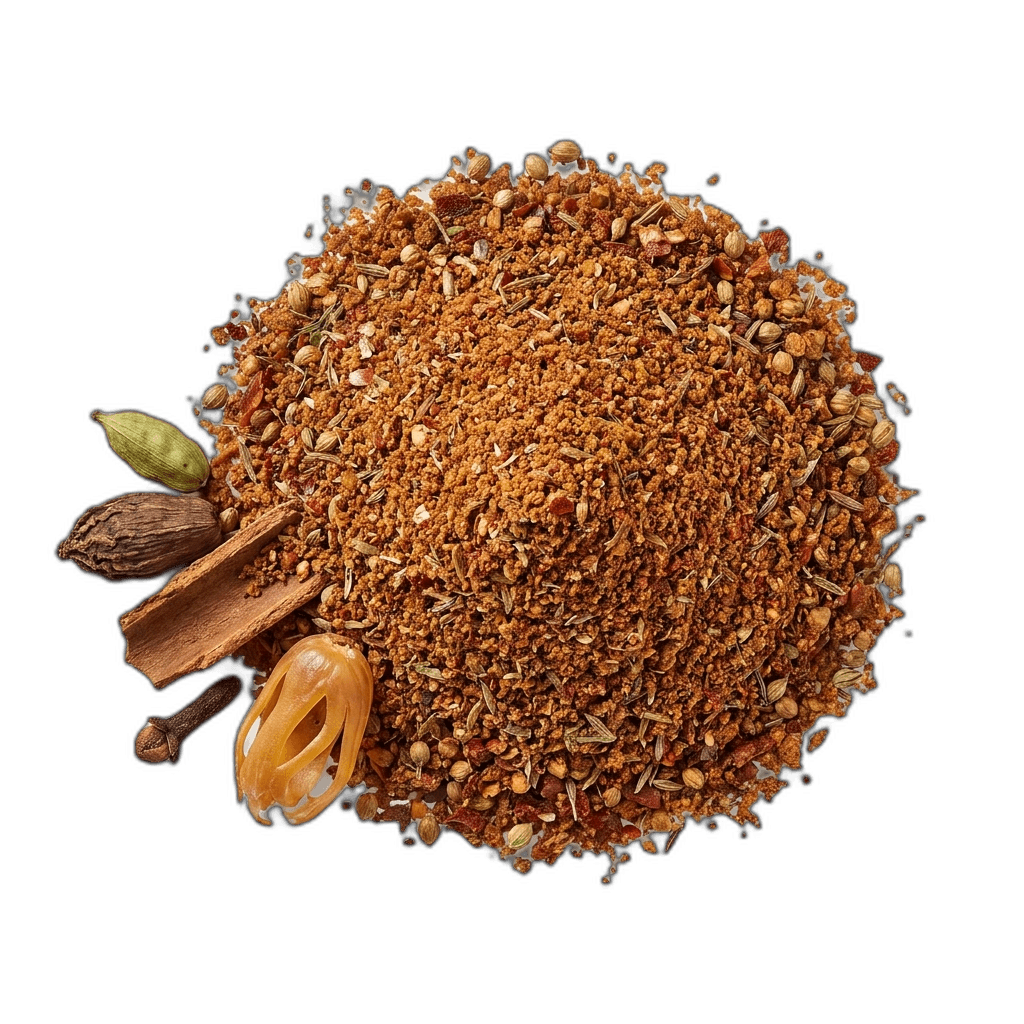
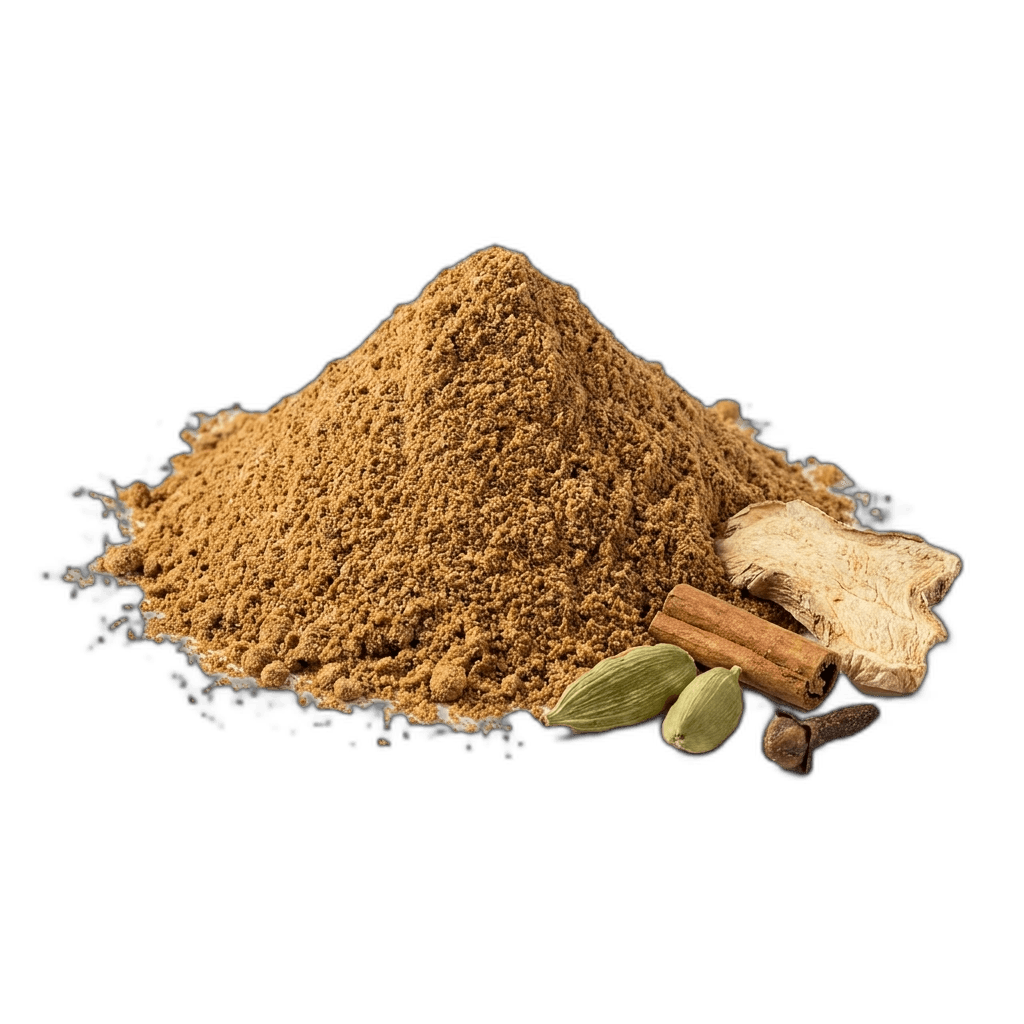
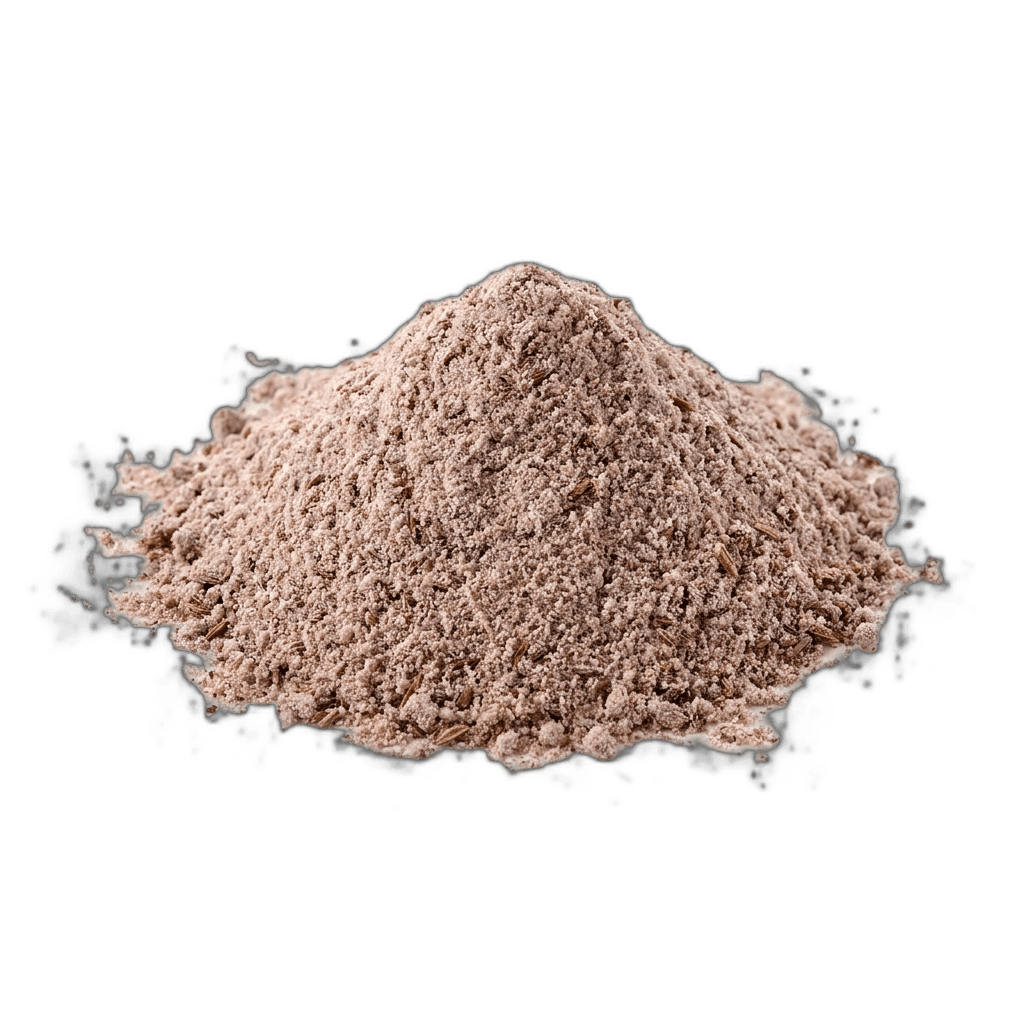
A North Indian finishing blend built on Unjha-belt amchur and central-Indian kala namak, balanced with roasted cumin, coriander, ginger and a whisper of asafoetida. It is sour, salty and faintly funky all at once, the seasoning that wakes up everything it touches. Dust it over cut fruit, fried snacks, grilled corn or a fresh lime soda for an instant hit of chaat.
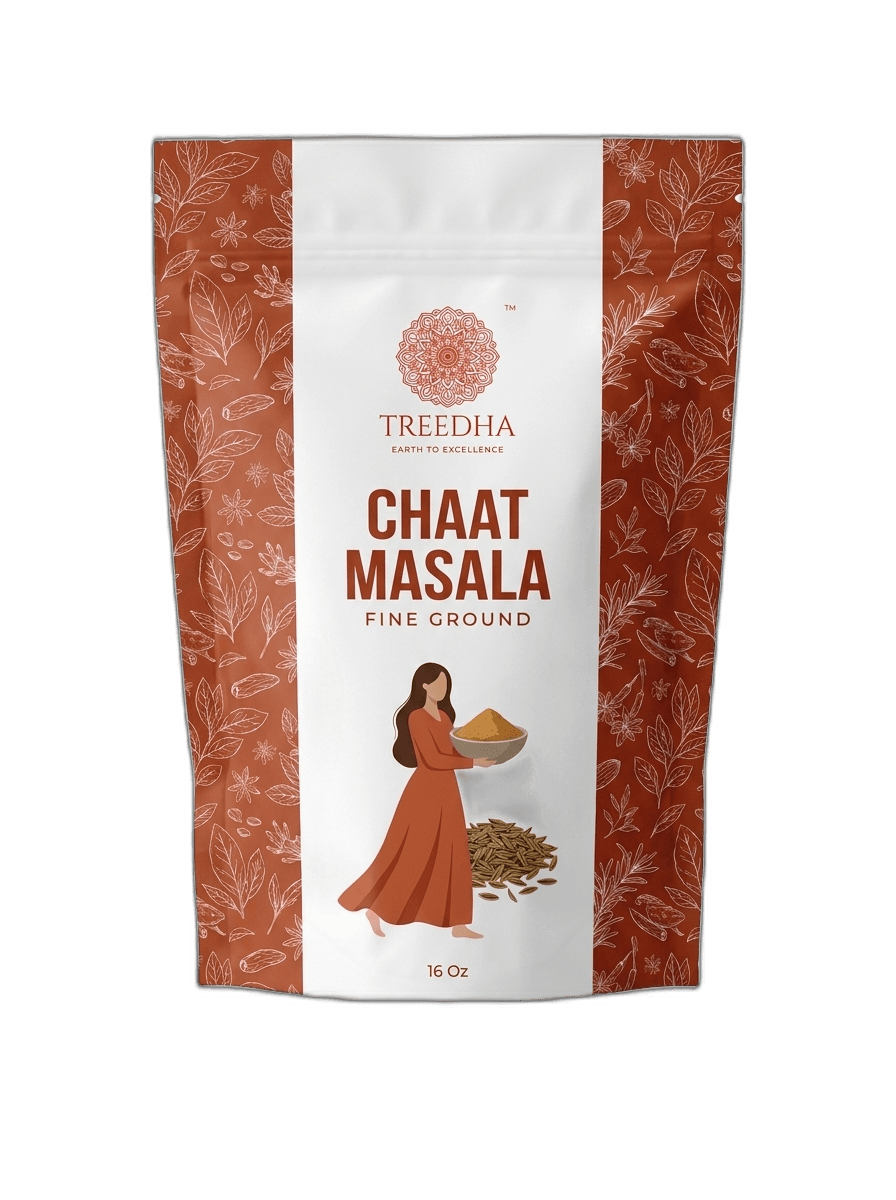
Sealed at peak, shipped with provenance.
Packed in resealable, food-grade pouches that lock in aroma and colour — each labelled with its origin, grade and taste profile.
- India
- North India · Unjha-belt amchur
- Fine ground blend
- Kala namak (black salt)
- Steam-sterilised · ETO-free · lab-tested
- 18-24 months ambient, airtight
Also known as · Chat Masala · Tangy Snack Seasoning · Street-Food Spice Mix
How to use it
Dusted over cut fruit, guava and melon
Sprinkled on samosas, pakoras and fried snacks
Finishing grilled corn, kebabs and roasted vegetables
Stirred into raita, chutneys and salads
Rimmed on glasses for masala lime soda and cocktails
Chaat Masala (Chaat Masala) is a distinctive North Indian fine-ground spice blend, celebrated for its tangy and savoury profile. It is steam-sterilised and lab-tested to meet stringent international food safety standards, making it ideal for bulk export.
Sourcing & Origin
Chaat Masala, also known as Chat Masala, Tangy Snack Seasoning, or Street-Food Spice Mix, is a hand-balanced blend primarily from North India. Its unique tangy character largely stems from amchur (dried green mango powder), which Treedha sources specifically from the Unjha belt in Gujarat, India. This region is renowned for its high-quality amchur, providing the essential tartness that defines an authentic Chaat Masala.
The meticulous selection of each component spice, followed by dry-roasting and stone-grinding in small batches, ensures a consistent and vibrant flavour profile. For bulk buyers, sourcing from established North Indian origins guarantees the genuine taste profile expected in this popular Street-Food Spice Mix, critical for product integrity in their markets.
Export Grades & Specifications
Treedha's Chaat Masala is offered as a fine-ground, hand-balanced blend, specifically prepared for the discerning international bulk market. Key specifications ensure consistency and compliance with global standards. We focus on parameters like purity, moisture content, and granulation to meet rigorous importer requirements.
Our Chaat Masala is steam-sterilised and guaranteed ETO-free, with all components lab-tested for purity. This ensures the blend is free from adulterants and meets microbiological safety standards. The salt base, kala namak (black salt), is a characteristic ingredient that adds to its unique flavour profile.
| Specification | Description | Treedha's Chaat Masala |
|---|---|---|
| Form | Fine ground blend | Fine powder |
| Purity | Absence of adulterants, foreign matter < 0.1% | Steam-sterilised, ETO-free, lab-tested |
| Moisture Content | Max. 10% (ESA/ASTA guidelines for ground spices) | Typically < 8% |
| Granulation | 95% passing through 150-300 micron sieve | Uniform particle size, fine powder |
| Salt Base | Characteristic salt component | Kala namak (black salt) |
| Shelf Life | 18-24 months in ambient, airtight conditions | 18-24 months ambient, airtight |
Quality, Safety & Compliance
Ensuring the highest standards of quality and safety is paramount for Treedha. Our Chaat Masala is processed under strict controls to meet the rigorous import regulations of major markets like the EU and US. A fundamental commitment is that our product is Ethylene Oxide (ETO)-free, a critical requirement as ETO and its metabolite 2-chloroethanol are leading causes for concern in EU RASFF notifications for spices. We employ steam sterilisation to mitigate microbiological risks, aligning with the EU's requirement for zero Salmonella and the US FDA's 'zero tolerance' policy for Salmonella in spices.
Furthermore, Treedha's Chaat Masala is extensively lab-tested to ensure compliance with Maximum Residue Limits (MRLs) for pesticides, which are the most common cause of EU RASFF notifications. We also conduct thorough testing for aflatoxins and heavy metals like lead and cadmium, adhering to strict limits set by both the EU and the US FDA, including California Proposition 65 requirements. Every bulk consignment is supported by a Certificate of Analysis (COA) confirming these critical parameters, alongside a Phytosanitary Certificate where required, ensuring full traceability and compliance.
Global Demand & Target Markets
Global demand for Indian spice blends, including Chaat Masala (Chat Masala), is robust and continues to grow. Key importing regions consistently include the United States, United Arab Emirates, United Kingdom, Italy, and Canada. Other significant markets are Malaysia, Thailand, Indonesia, Germany, Netherlands, and Australia. These markets show strong and sustained interest in authentic Indian flavours.
The primary drivers of this demand are the burgeoning popularity of Indian and South Asian cuisines worldwide, fuelled by a significant diaspora in North America, the Middle East, and Europe. This demographic creates a consistent, high-volume requirement for authentic seasoning blends like Chaat Masala. Additionally, the food processing industry increasingly incorporates such blends into ready-to-eat meals and snacks, while convenience trends favour pre-mixed seasonings for their ease of use and consistent flavour delivery.
Logistics, HS Code & Packing
For Chaat Masala, also known as Tangy Snack Seasoning or Street-Food Spice Mix, the Harmonized System (HS) code primarily falls under 2103.90 (specifically 2103.90.80 for the US market). This classification covers 'other sauces, mixed condiments, and seasonings,' reflecting Chaat Masala's composition as a prepared blend with ingredients like black salt and amchur, rather than a simple unmixed spice. The US duty for 'Spice Blends' under this code is approximately 6.4%. It is always advisable for importers to verify the exact HS code with their local customs authority for precise classification.
Treedha offers bulk Chaat Masala in secure, export-ready packaging suitable for international transit. Common formats include multi-wall paper bags, PP bags, and bulk drums, designed to maintain product integrity and shelf life. Our standard shelf life is 18-24 months when stored ambient and airtight. While specific Minimum Order Quantities (MOQs) are discussed per inquiry to best meet buyer needs, Treedha works flexibly to accommodate wholesale and private-label requirements. We arrange shipments under common Incoterms such as FOB or CIF, ensuring smooth customs clearance and delivery to the buyer's specified port.
- tariffnumber.com — tariffnumber.com
- busy.in — busy.in
- volza.com — volza.com
- deepbeez.com — deepbeez.com
- fittreeinternational.com — fittreeinternational.com
- freightamigo.com — freightamigo.com
Questions
- What gives chaat masala its distinctive smell and tang?
- The sulphurous, almost eggy aroma comes from kala namak, or black salt, while the sharp sourness comes from amchur, dried green-mango powder. Together with roasted cumin and asafoetida they create the unmistakable chaat character.
- Is chaat masala spicy or hot?
- No, it is not built for heat. The blend is tangy, salty and savoury rather than chilli-forward, which is why it is used as a finishing sprinkle rather than a base masala for curries.
- How is it different from garam masala?
- Garam masala is a warming aromatic blend cooked into dishes, whereas chaat masala is a cold finishing seasoning. Chaat masala leads with sour amchur and black salt, while garam masala leads with warm spices like clove, cinnamon and cardamom.
- What is the primary origin of Treedha's Chaat Masala?
- Treedha's Chaat Masala is a North Indian blend, with its critical amchur (dried green mango powder) component sourced from the renowned Unjha belt in Gujarat, India.
- Is Treedha's Chaat Masala ETO-free and steam-sterilised?
- Yes, our Chaat Masala (Tangy Snack Seasoning) is guaranteed ETO-free and undergoes a steam sterilisation process to ensure microbiological safety and extend shelf life.
- What are the typical bulk packaging options for Chaat Masala?
- We offer bulk Chaat Masala in various export-friendly formats, including multi-wall paper bags, PP bags, and bulk drums, designed for secure international shipping.
- Which HS Code is used for bulk Chaat Masala exports?
- For bulk Chaat Masala, the primary HS Code used for international trade is 2103.90, classifying it as a mixed condiment and seasoning. Importers should verify with their local customs.
- Does Treedha provide Certificates of Analysis (COA) for bulk orders?
- Yes, every bulk consignment of Chaat Masala (Street-Food Spice Mix) is accompanied by a comprehensive Certificate of Analysis, confirming its compliance with quality and safety specifications.
- What are the main markets for Indian Chaat Masala?
- Key importing markets for Indian Chaat Masala include the United States, UAE, United Kingdom, Italy, Canada, and various countries in Southeast Asia and Europe, driven by ethnic cuisine demand.