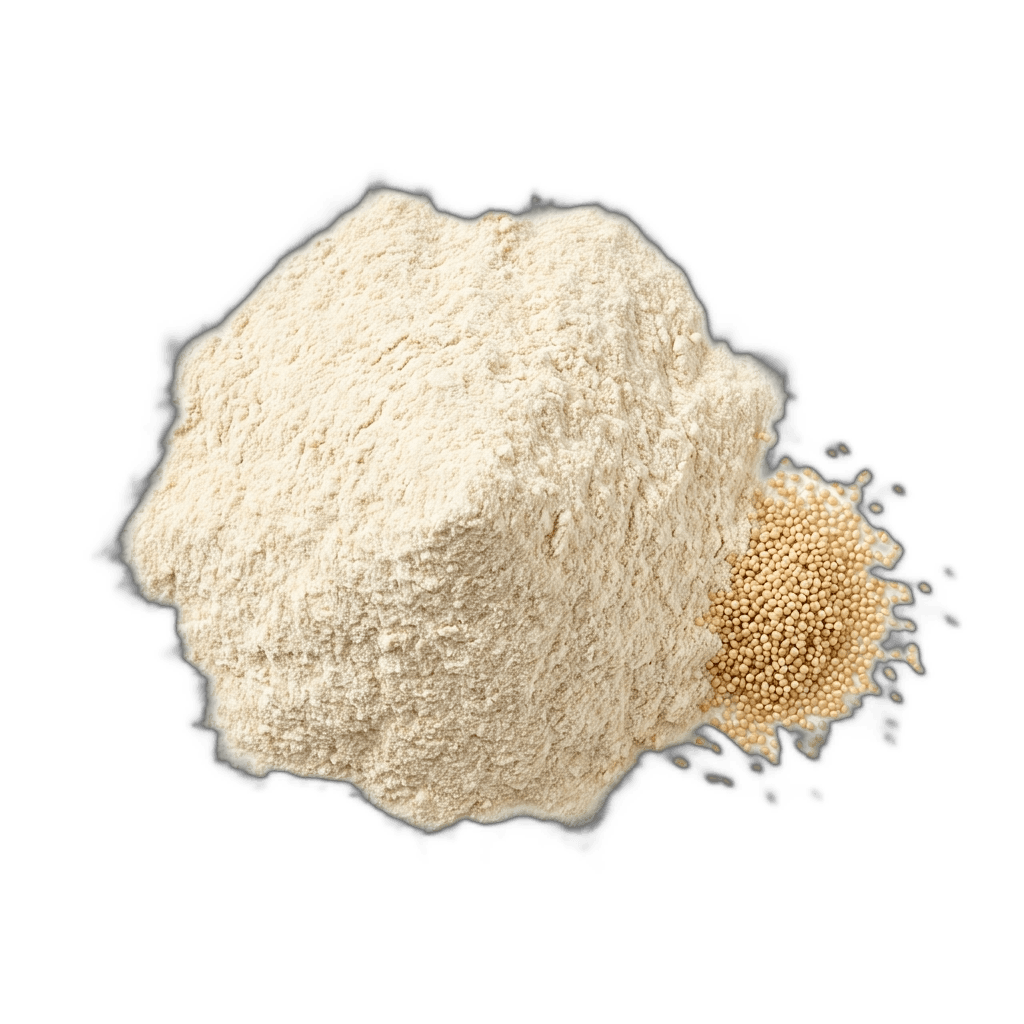
Foxtail Millet
Kangni / Korra / Thinai
Coltivato nelle fasce a regime pluviale del miglio dell'Andhra Pradesh, del Karnataka e del Tamil Nadu, il miglio coda di volpe è uno dei più antichi e più esportati piccoli cereali dell'India. Lavorato al minimo per mantenere il chicco intero e nocciolato, cuoce leggero e soffice con una delicata terrosità. Usalo come alternativa senza glutine al riso, in pilaf, porridge e upma, oppure cotto in khichdi e insalate di cereali.
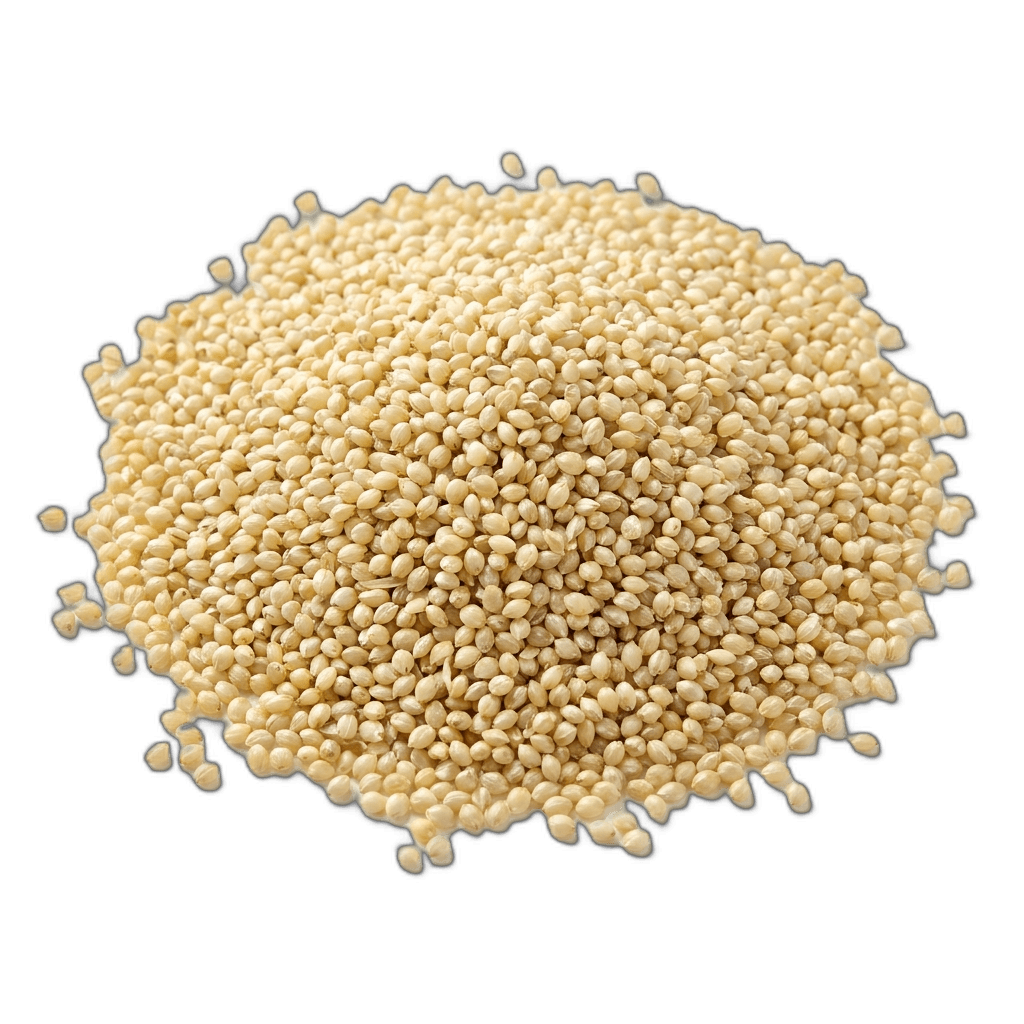
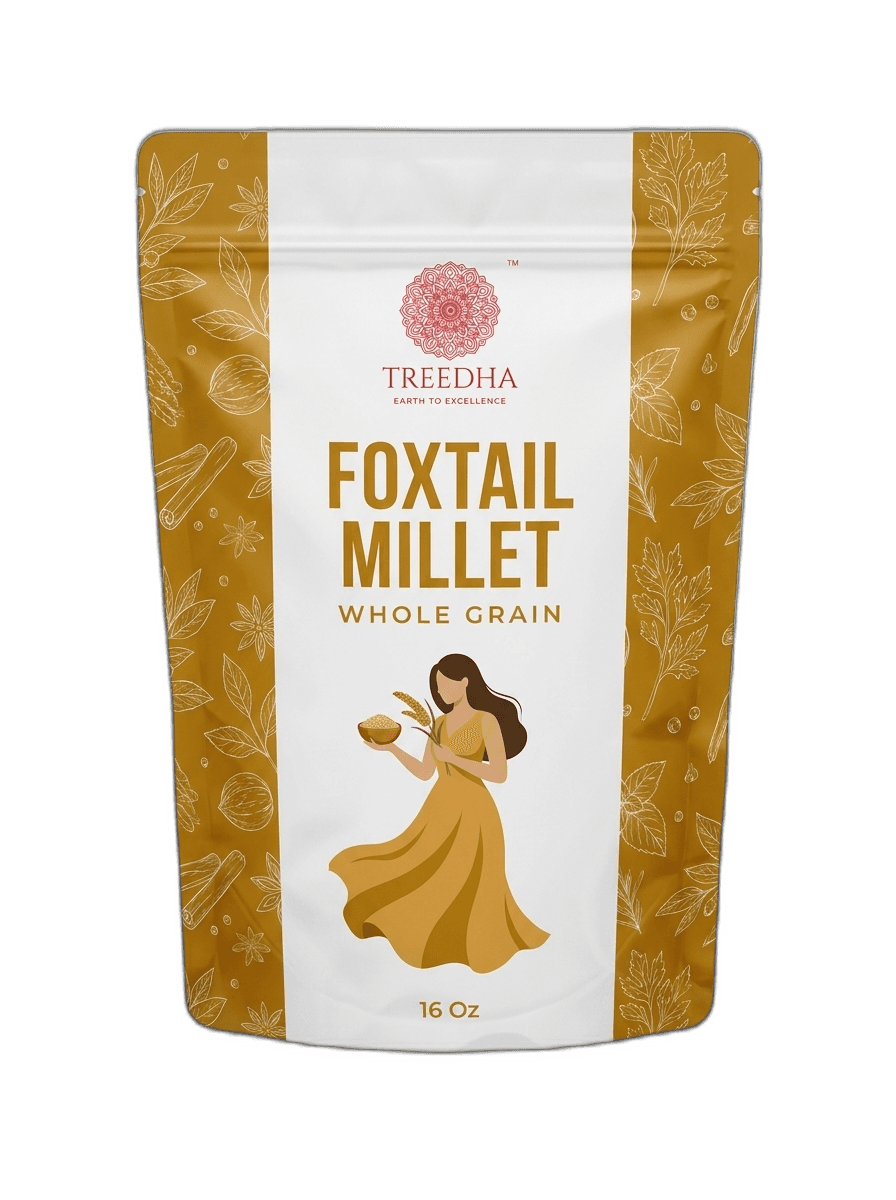
Sigillato al massimo della freschezza, spedito con la sua provenienza.
Confezionato in buste richiudibili per uso alimentare che trattengono aroma e colore — ciascuna etichettata con origine, qualità e profilo aromatico.
- India · Andhra Pradesh, Karnataka e Tamil Nadu
- Grano intero · non brillato
- Decorticato · pulito e selezionato
- Naturalmente senza glutine
- Pulito a pietra · setacciato · testato in laboratorio
- 12+ mesi grano intero, sigillato e all'asciutto
Conosciuto anche come · Korralu · Navane · Setaria italica
Come utilizzarlo
Alternativa senza glutine al riso
Pilaf, upma e khichdi
Porridge e bowl per la colazione
Insalate di cereali e ripieni
Idli, dosa e prodotti da forno al miglio
Foxtail Millet (Kangni / Korra / Thinai, Setaria italica) is a naturally gluten-free ancient grain, sustainably cultivated in India's dry-land regions. Valued for its nutritional profile and drought tolerance, it serves global markets in food, feed, and health sectors as a versatile, wholesome commodity.
Sourcing & Origin
Treedha's Foxtail Millet (Kangni / Korra / Thinai) is meticulously sourced from the rain-fed dry-land plains of Andhra Pradesh, Karnataka, and Tamil Nadu, India. These regions form the traditional millet belt, where centuries of cultivation have led to resilient, flavourful varieties naturally adapted to the local ecology. The dry-land farming practices employed here minimise environmental impact and produce a robust grain.
The specific origin is crucial for bulk buyers, as it assures the inherent quality and genetic purity of the Foxtail Millet. Our direct relationships with farmers in these regions provide full traceability, ensuring that each consignment reflects the authentic characteristics and provenance expected by discerning international importers, distributors, and private-label brands. This commitment to origin underpins consistent supply and quality.
Export Grades & Specifications
Export-grade Foxtail Millet (Korralu / Navane / Setaria italica) is carefully selected based on several key parameters to meet diverse market needs. Our offering is primarily whole grain, unpolished, or minimally processed, which preserves its nutritional integrity and natural texture. Grains are sun-dried, de-hulled, and then meticulously cleaned and sorted to ensure high purity.
We provide Foxtail Millet that meets stringent quality benchmarks, including optimal moisture content for extended shelf life, minimal foreign matter, and uniform grain size. While various grades exist, our focus is on unpolished whole grains suitable for human consumption, contrasting with feed-grade options that are often unhulled. Treedha provides a Certificate of Analysis (COA) for every shipment, verifying these specifications.
| Specification | Premium Quality (Dehulled) | Standard Machine Cleaned (Milling Grade) |
|---|---|---|
| Purity | >99.5% | >98.5% |
| Moisture | <12% | <13% |
| Foreign Matter | <0.2% | <0.5% |
| Damaged Grains | <0.5% | <1.5% |
| Broken Grains | <0.5% | <1.0% |
| Processing | De-hulled, stone-cleaned, sieved | Mechanically cleaned, de-hulled, may contain trace unhulled |
| Texture | Soft, uniform | Bolder, suitable for heavy milling |
| Application | Dry bakery, high-end retail, direct consumption | Flour milling, industrial extrusion |
Quality, Safety & Compliance
Treedha is committed to delivering Foxtail Millet (Kangni / Korra / Thinai) that rigorously complies with international food safety standards, particularly for the discerning EU and US markets. Our processing ensures the grains are steam-sterilised and guaranteed ethylene-oxide-free (ETO-free), a critical requirement for EU imports where any detectable ETO levels are prohibited and lead to rejection. We adhere to a robust HACCP system throughout our supply chain.
For mycotoxins, our products are lab-tested to meet strict limits: total aflatoxins at 4 µg/kg and aflatoxin B1 at 2 µg/kg for EU food consumption, with specific levels for millets at 5.0 µg/kg for aflatoxin B1 and 5.0 µg/kg for Ochratoxin A (EU Regulation 2023/915). For the US FDA, our total aflatoxin levels are maintained below the action level of 20 ppb. We also ensure compliance with harmonised EU MRLs for pesticides, with a default MRL of 0.01 mg/kg applying where no specific limit is set (EU Pesticides Database).
Furthermore, all consignments are tested for heavy metals such as lead and cadmium, aligning with EU Regulation (EU) 2023/915 and US FDA guidelines, which have stringent limits for these contaminants in grains. While no specific Salmonella limits for millets are cited, our general food safety protocols prevent pathogenic bacterial contamination. Phytosanitary certificates and comprehensive Certificates of Analysis (COA) are provided with every shipment, verifying freedom from pests and adherence to all stated quality and safety parameters.
Global Demand & Target Markets
Global demand for Foxtail Millet (Korralu / Navane / Setaria italica) is experiencing a resurgence, driven by evolving consumer preferences and nutritional awareness. Leading importers of millets globally include Indonesia, Belgium, Germany, Mexico, Italy, the United States of America, the United Kingdom, Brazil, and the Netherlands. More recent data from July 2024 to June 2025 highlights the United States, United Arab Emirates, and Singapore as key destinations for Indian Foxtail Millet.
The primary demand drivers include the growing health and wellness trend, where Foxtail Millet is prized for its complex carbohydrates, high protein, and low glycemic index, making it suitable for diabetic-friendly and health-conscious food products. Its naturally gluten-free nature is particularly appealing to the expanding gluten-free market in Europe and North America. Additionally, traditional consumption in India and sustainability attributes—due to its drought tolerance and low input requirements—further bolster its global appeal. A significant portion of wholesale export also caters to the animal feed market, especially for avian nutrition in Europe, North America, and the Middle East.
Logistics, HS Code & Packing
Treedha facilitates seamless international trade of Foxtail Millet (Kangni / Korra / Thinai) with efficient logistics and compliant documentation. The primary Harmonized System (HS) code for whole grain Foxtail Millet (Setaria italica (L.)) is 10082960. Other related codes, such as 10082150 and the broader HSN 1008 for millets, are also relevant. For millet flour, HSN Code 11029090 applies.
We offer bulk packaging solutions tailored for global importers and distributors, typically in durable 25kg or 50kg PP, jute, or multi-ply kraft paper bags. For de-hulled millet, inner liners are utilised to maintain freshness and purity. Our Minimum Order Quantity (MOQ) approach is flexible and determined in consultation with clients, based on specific trade routes and volumes, ensuring practicality for wholesale transactions without stating fixed numbers. We facilitate various Incoterms as per buyer requirements.
With proper storage in a cool, dry, and sealed environment, our whole grain Foxtail Millet maintains a shelf life of 12+ months. We ensure all necessary export documentation, including phytosanitary certificates and Certificates of Analysis (COA), accompanies each shipment to guarantee smooth customs clearance at destination ports.
- busy.in — busy.in
- tariffcheck.in — tariffcheck.in
- taxadda.com — taxadda.com
- cybex.in — cybex.in
- volza.com — volza.com
- suvarninfrratech.com — suvarninfrratech.com
Domande
- Il kangni è lo stesso del miglio coda di volpe?
- Sì. Kangni (chiamato anche korra in telugu e thinai in tamil) è il nome indiano del miglio coda di volpe (Setaria italica). È una varietà all'interno della famiglia del miglio, distinta dal miglio perlato, dal miglio dattero o dal piccolo miglio.
- Come cucino il miglio coda di volpe?
- Sciacqualo, poi cuoci a fuoco lento circa una parte di miglio per due parti e mezza di acqua per 15-20 minuti finché è leggero e soffice, proprio come il riso. Funziona bene anche in pentola a pressione per upma e khichdi.
- Il miglio coda di volpe è senza glutine?
- Sì. Il miglio coda di volpe è naturalmente senza glutine, il che lo rende un cereale popolare per diete senza glutine e ricche di fibre.
- What is Foxtail Millet and what are its common Western names?
- Foxtail Millet (Setaria italica) is an ancient, naturally gluten-free grain originating from India's dry-land regions. It is also widely known as Kangni, Korra, Thinai, Korralu, and Navane in various international and regional contexts.
- Where does Treedha source its Foxtail Millet from?
- Treedha sources its Foxtail Millet from the traditional millet belt regions of Andhra Pradesh, Karnataka, and Tamil Nadu in India, ensuring authentic origin and consistent quality.
- Is Treedha's Foxtail Millet compliant with EU and US food safety standards?
- Yes, Treedha's Foxtail Millet is steam-sterilised, ETO-free, and rigorously lab-tested to meet strict EU and US regulations for aflatoxins (e.g., EU total aflatoxins 4 µg/kg, US FDA 20 ppb total), pesticide MRLs, and heavy metals. Each shipment includes a Certificate of Analysis (COA).
- What are the typical bulk packaging options and HS codes for Foxtail Millet export?
- We typically offer bulk packaging in 25kg or 50kg PP, jute, or multi-ply kraft paper bags. The primary HS code for whole grain Foxtail Millet is 10082960, with other related codes under the broader HSN 1008 for millets.
- What drives the global demand for Foxtail Millet?
- Global demand is driven by increasing interest in health and wellness (due to its nutritional value and low glycemic index), the expanding gluten-free market, traditional consumption, and its sustainability as a drought-tolerant crop. It is also a significant commodity for the animal feed sector.
- Can Treedha provide samples and detailed specifications for bulk orders?
- Yes, Treedha can provide samples for quality assessment and detailed specifications including purity, moisture content, and foreign matter percentages, along with relevant certifications (e.g., FSSAI, ISO, APEDA, organic certifications where applicable).