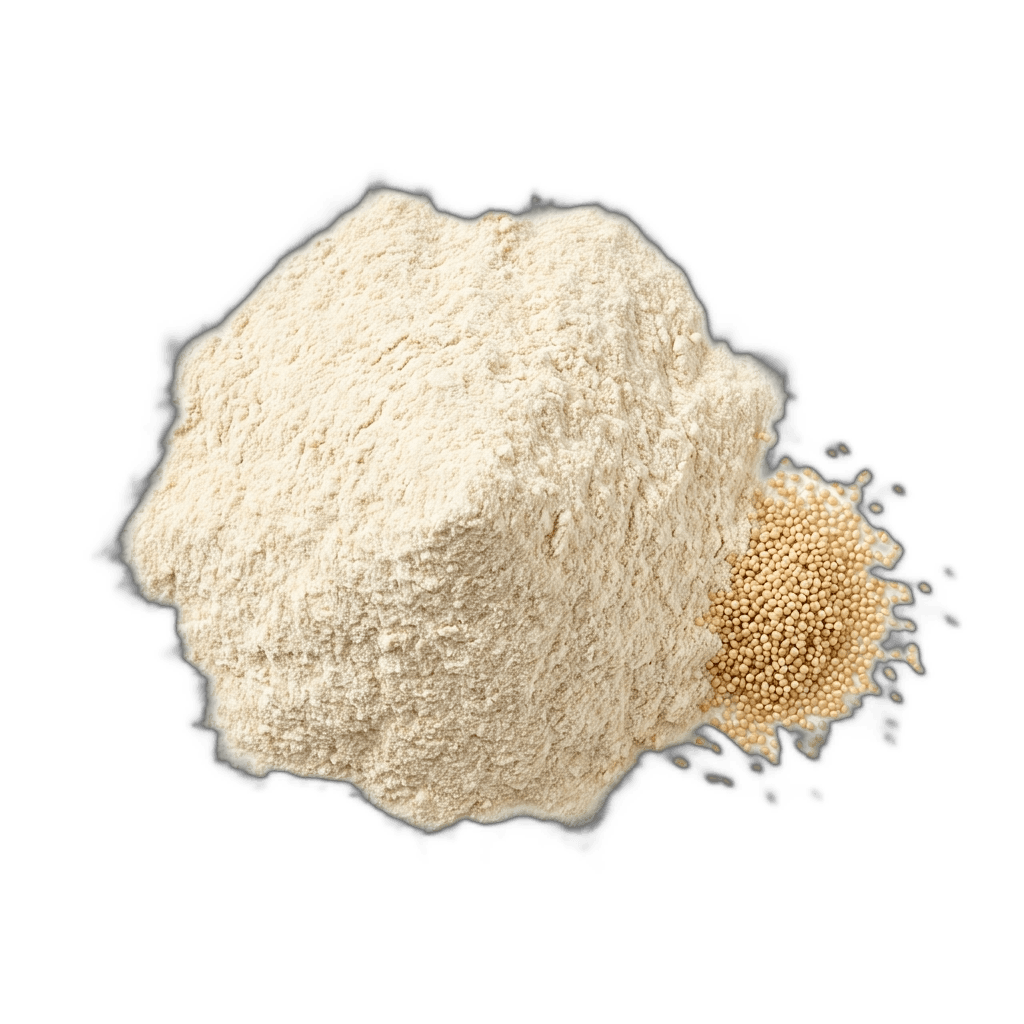
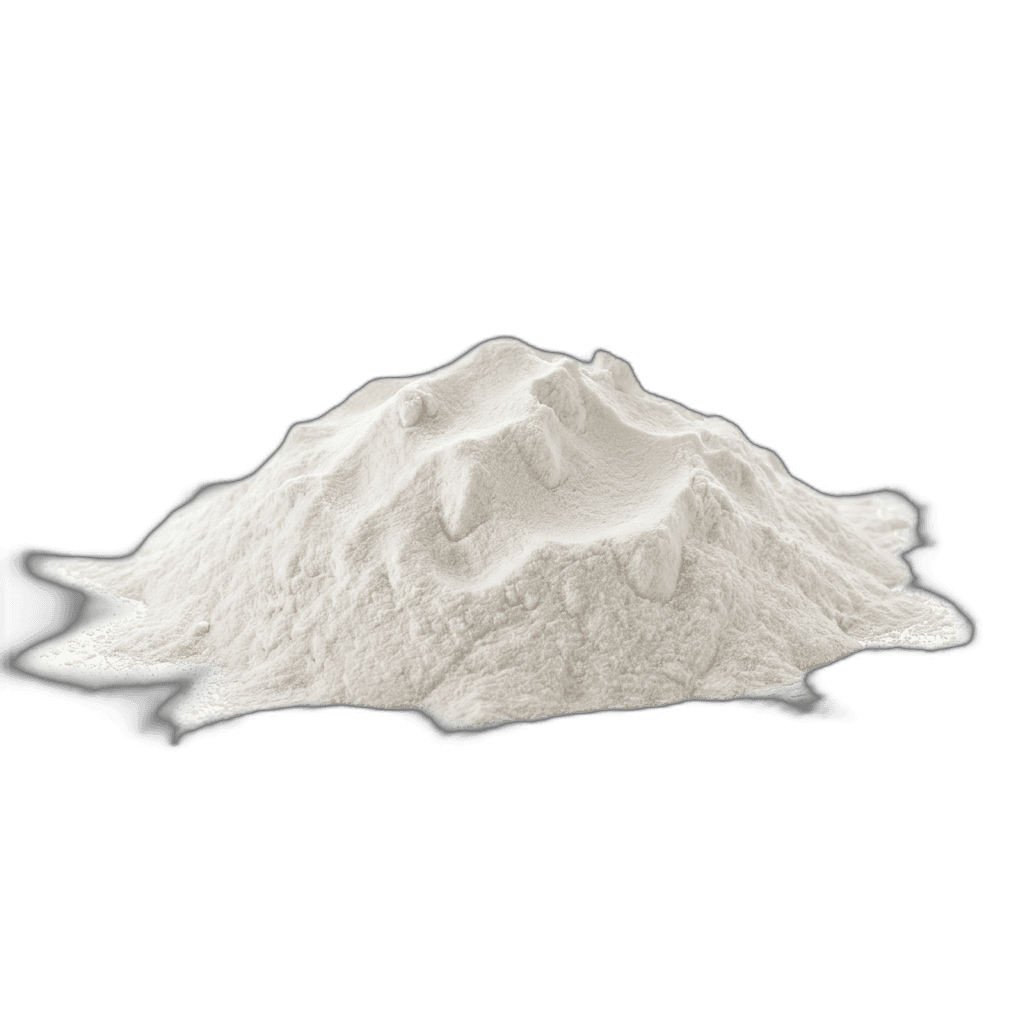
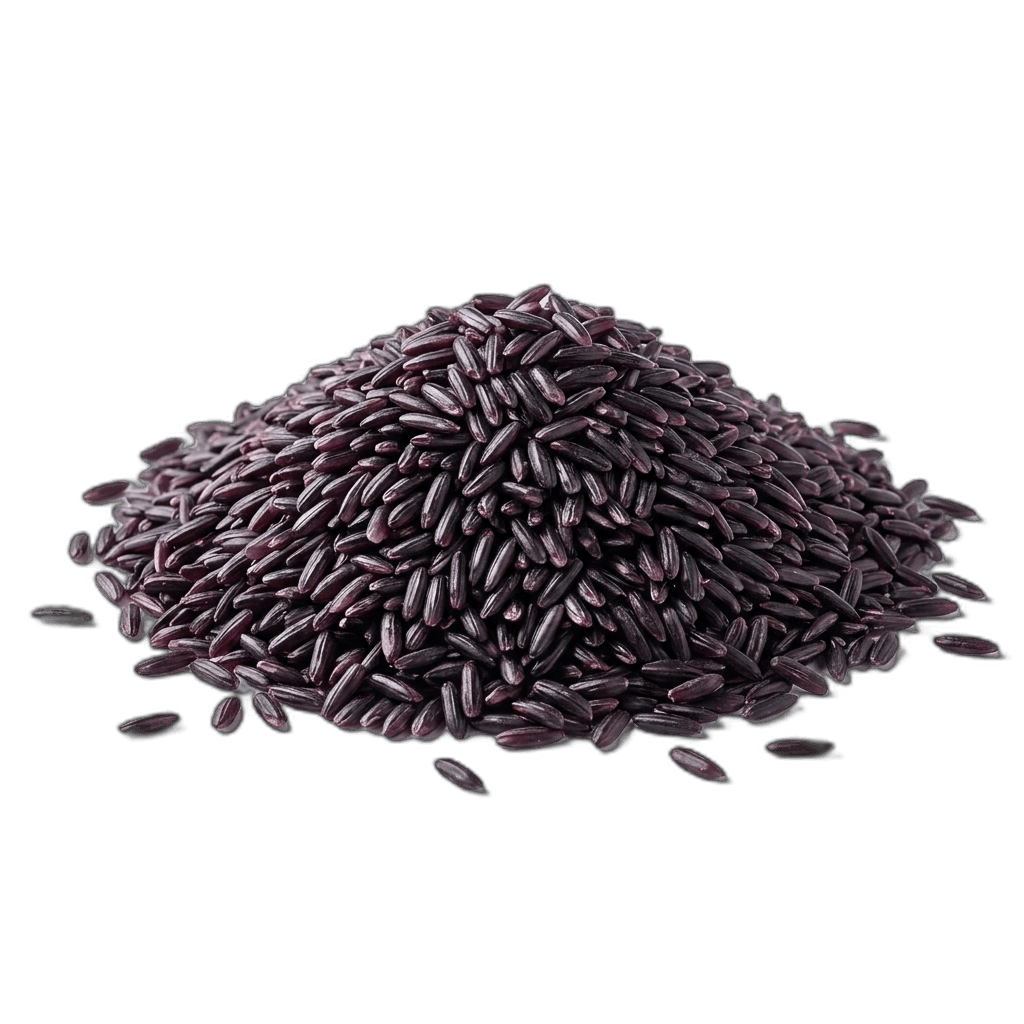
Sorghum Flour
Jowar Atta / Jwari
Macinata da sorgo bianco della stagione rabi coltivato sui suoli a cotone nero della fascia del Marathwada in Maharashtra e sull'altopiano del Karnataka settentrionale, dove la pregiata varietà Maldandi matura sull'umidità residua sotto un secco sole invernale. Avorio pallido e lievemente dolce, porta con sé il carattere morbido e terroso che da generazioni definisce il bhakri della regione. Impastatela in focacce, incorporatela in pastelle senza glutine, o miscelatela nei prodotti da forno per struttura e una mollica delicata e genuina.
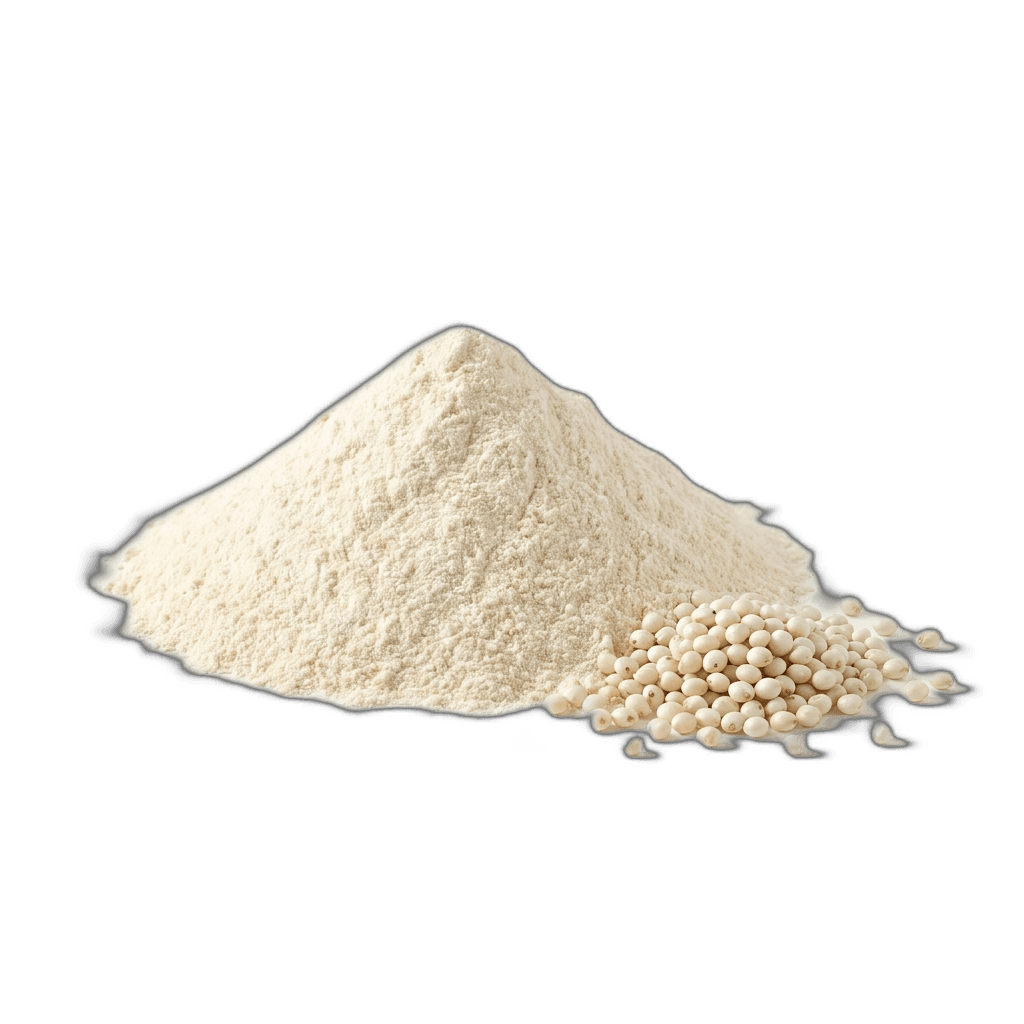
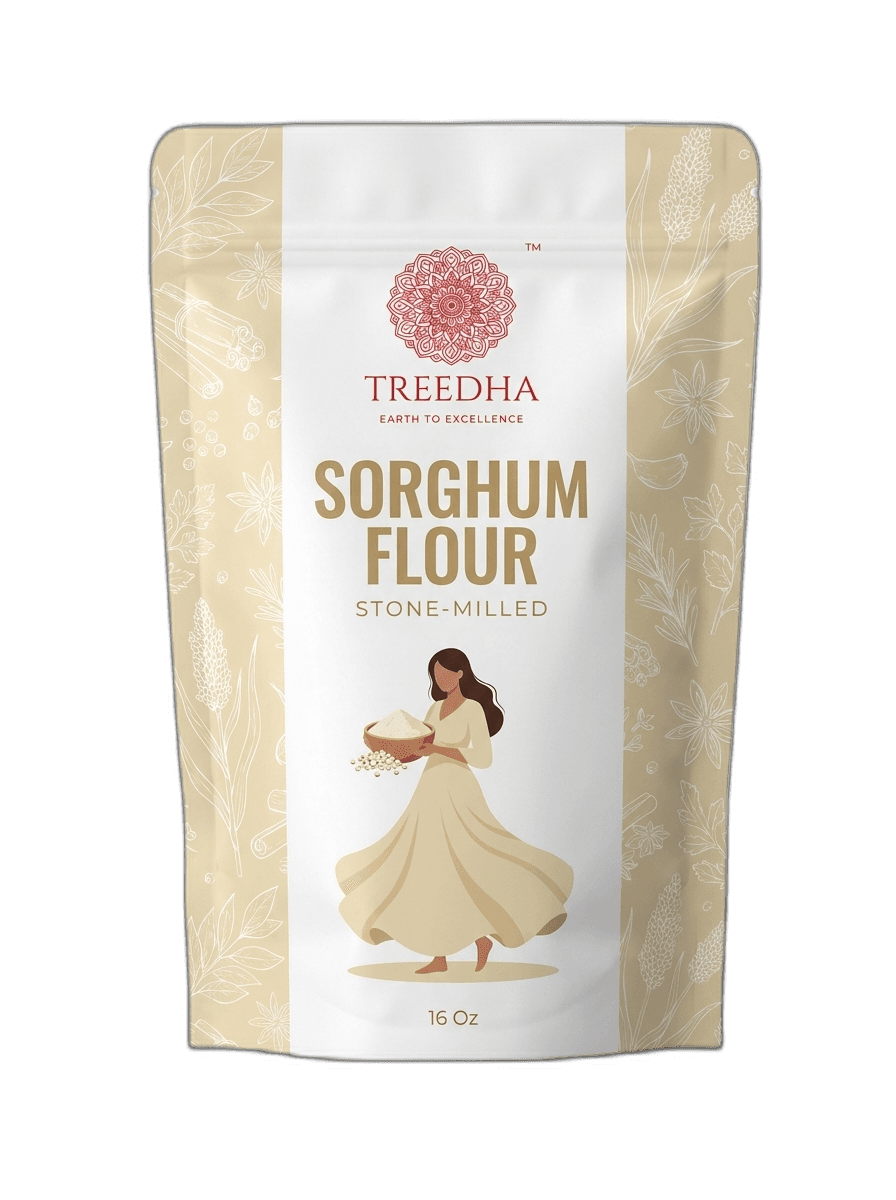
Sigillato al massimo della freschezza, spedito con la sua provenienza.
Confezionato in buste richiudibili per uso alimentare che trattengono aroma e colore — ciascuna etichettata con origine, qualità e profilo aromatico.
- India - Marathwada e Karnataka settentrionale
- Grano bianco rabi premium (tipo Maldandi)
- Farina fine macinata a pietra
- Naturalmente senza glutine
- Cereale singolo, senza additivi - testata in laboratorio
- 6 mesi a temperatura ambiente, sigillata
Conosciuto anche come · Jowar Flour · Great Millet Flour · Sorgo · Sorghum bicolor
Come utilizzarlo
Jowar bhakri e roti pressati a mano
Miscele senza glutine per pane, pancake e muffin
Per addensare zuppe, porridge e pastelle
Cracker e crispbread salati e croccanti
Per spolverare e infarinare nella panificazione senza glutine
Sorghum Flour (Jowar Atta / Jwari), also known as Great Millet Flour or Sorgo, is a naturally gluten-free ancient grain flour, highly valued for its nutritional profile and versatility. Sourced from India's prime growing regions, it is a key ingredient for gluten-free and health-conscious food applications worldwide.
Sourcing & Origin
Treedha's Sorghum Flour (Jowar Atta / Jwari) is meticulously sourced from the fertile plateaus of Marathwada, Maharashtra, and North Karnataka in India, at elevations between 450-600 metres. These regions are renowned for cultivating the premium white rabi grain, specifically the Maldandi-type variety, known for its superior quality and characteristic mild flavour.
The rabi (winter) growing season yields a distinct single-season grain, which is then carefully cleaned, graded, and traditionally stone-milled into a fine, consistent flour. This specific origin and processing method ensure a product that meets the rigorous standards of international bulk buyers, offering full provenance and consistent textural qualities for diverse culinary applications.
Export Grades & Specifications
Our Sorghum Flour (Jowar Atta) adheres to stringent export grades, primarily offering a premium white rabi grain (Maldandi-type) that is single-season and 100% pure. This ensures a consistent product free from additives and cross-contamination, critical for discerning importers and private-label brands. The flour is stone-milled to achieve a fine, uniform particle size, which is essential for consistent performance in baking and food manufacturing.
Key specifications include a maximum moisture content of 14% for flour, ensuring stability and shelf life, and a protein content of at least 10% (for the grain). Foreign matter is meticulously controlled to negligible levels in the flour. Critical purity is maintained, with total aflatoxins targeted below 15ppb, fumonisins below 2ppm, and vomitoxin below 1ppm, aligning with global food safety expectations. Below is a comparison table outlining key specifications:
Quality, Safety & Compliance
Treedha is committed to delivering Sorghum Flour (Jowar Atta) that surpasses international food safety and compliance standards. Our products are guaranteed ethylene-oxide-free (ETO-free), a crucial declaration for entry into markets with strict chemical residue regulations, such as the European Union. Each batch undergoes rigorous lab testing to ensure compliance with Maximum Residue Limits (MRLs) for pesticides, as defined by EU Regulation (EC) No 396/2005 and US EPA tolerances.
Aflatoxin and mycotoxin levels are strictly controlled, with total aflatoxins meeting the US FDA's action level of 20 ppb and often exceeding the stricter EU standards where applicable. We also test for heavy metals and ensure the absence of illegal Sudan dyes. All shipments are accompanied by comprehensive documentation, including a Certificate of Analysis (COA) detailing nutritional composition, purity, and contaminant screening, alongside a Phytosanitary Certificate as required by importing nations, to certify freedom from pests and diseases.
Global Demand & Target Markets
Global demand for Sorghum Flour (Jowar Atta / Jwari) is experiencing robust growth, primarily driven by increasing consumer health consciousness and the rising prevalence of gluten intolerance and celiac disease. As a naturally gluten-free ancient grain, Sorghum Flour is highly sought after by food manufacturers and brands catering to these dietary needs. Its rich fibre, antioxidant, and protein content position it as a 'superfood' in the expanding plant-based food market.
Key importing regions showing significant growth for sorghum flour include North America (especially the United States, projected to be the largest market by 2035), Europe, the Middle East & Africa, and South America. India's exports of sorghum (including flour) have seen strong uptake in the UAE, Saudi Arabia, Bangladesh, Egypt, and Kuwait, with growing interest from Germany, Japan, and Vietnam (APEDA, 2024-25). Its versatility in baking, snacks, and mixes, coupled with sorghum's climate resilience, further underpins its industrial adoption.
Logistics, HS Code & Packing
The Harmonized System (HS) code for Sorghum Flour (Jowar Atta) in international trade is typically 110290, falling under 'Cereal flours other than that of wheat or meslin'. Specifically for India, common 8-digit tariff items include 11029090 or 11029029.
Treedha offers Sorghum Flour in standard bulk packaging suitable for international logistics, including 500 g and 1 kg sizes, along with larger formats to meet specific importer requirements. Our approach to Minimum Order Quantity (MOQ) is designed to accommodate the needs of wholesale importers and distributors, supporting flexible sourcing. We operate on standard Incoterms, ensuring clarity and efficiency in international shipments. Our steam-sterilised flour has a shelf life of 6 months when stored ambient and sealed.
- busy.in — busy.in
- eximpe.com — eximpe.com
- cybex.in — cybex.in
- volza.com — volza.com
- usamv.ro — usamv.ro
- usetorg.com — usetorg.com
Domande
- Il jowar atta è lo stesso della farina di sorgo?
- Sì. Jowar è il nome indiano del sorgo, quindi jowar atta e farina di sorgo sono lo stesso prodotto - chicco integrale di sorgo macinato. Noi maciniamo la varietà rabi bianca e pallida per il colore più pulito e il sapore più delicato.
- La farina di sorgo è senza glutine?
- Sì, il sorgo è naturalmente senza glutine, motivo per cui è diventato un ingrediente di base nella panificazione senza glutine. Per le diete celiache, miscelatela con un legante come lo psillio o la xantano per dare struttura.
- Come faccio un bhakri che non si crepa?
- Usate acqua calda per amalgamare l'impasto, lavoratelo bene mentre è ancora caldo, e pressatelo invece di stenderlo. Un impasto caldo e ben lavorato mantiene la forma e si gonfia in modo netto sulla piastra.
- What is Sorghum Flour (Jowar Atta) used for?
- Sorghum Flour (Jowar Atta / Jwari) is a versatile gluten-free flour used in traditional baking, modern gluten-free baked goods, snacks, flatbreads, and as a nutrient-dense ingredient in various food applications due to its mild flavour and consistent texture.
- Is Treedha's Sorghum Flour gluten-free?
- Yes, our Sorghum Flour (Jowar Atta / Jwari) is naturally gluten-free. It is lab-tested to ensure gluten levels are below 10ppm, making it suitable for certified gluten-free products and individuals with celiac disease or gluten intolerance.
- Where does Treedha source its Sorghum Flour?
- Treedha's Sorghum Flour is sourced from the prime growing regions of Marathwada, Maharashtra, and North Karnataka plateau in India, specifically from the white rabi grain (Maldandi-type) for superior quality and consistent characteristics.
- What quality standards does Treedha's Sorghum Flour meet for export?
- Our Sorghum Flour meets stringent international quality standards, including being ETO-free, with lab-tested limits for aflatoxins, mycotoxins, and pesticide residues compliant with EU and US regulations. It includes comprehensive COA and Phytosanitary Certificates.
- What is the HS Code for Sorghum Flour?
- The Harmonized System (HS) code commonly used for Sorghum Flour (Jowar Atta) in international trade is 110290, which covers 'Cereal flours other than that of wheat or meslin'. In India, specific codes like 11029090 or 11029029 are used.
- Can Treedha supply private-label Sorghum Flour?
- Yes, Treedha provides private-label services for bulk Sorghum Flour (Jowar Atta / Jwari) to meet the branding and packaging requirements of our importer, distributor, and food brand partners worldwide.