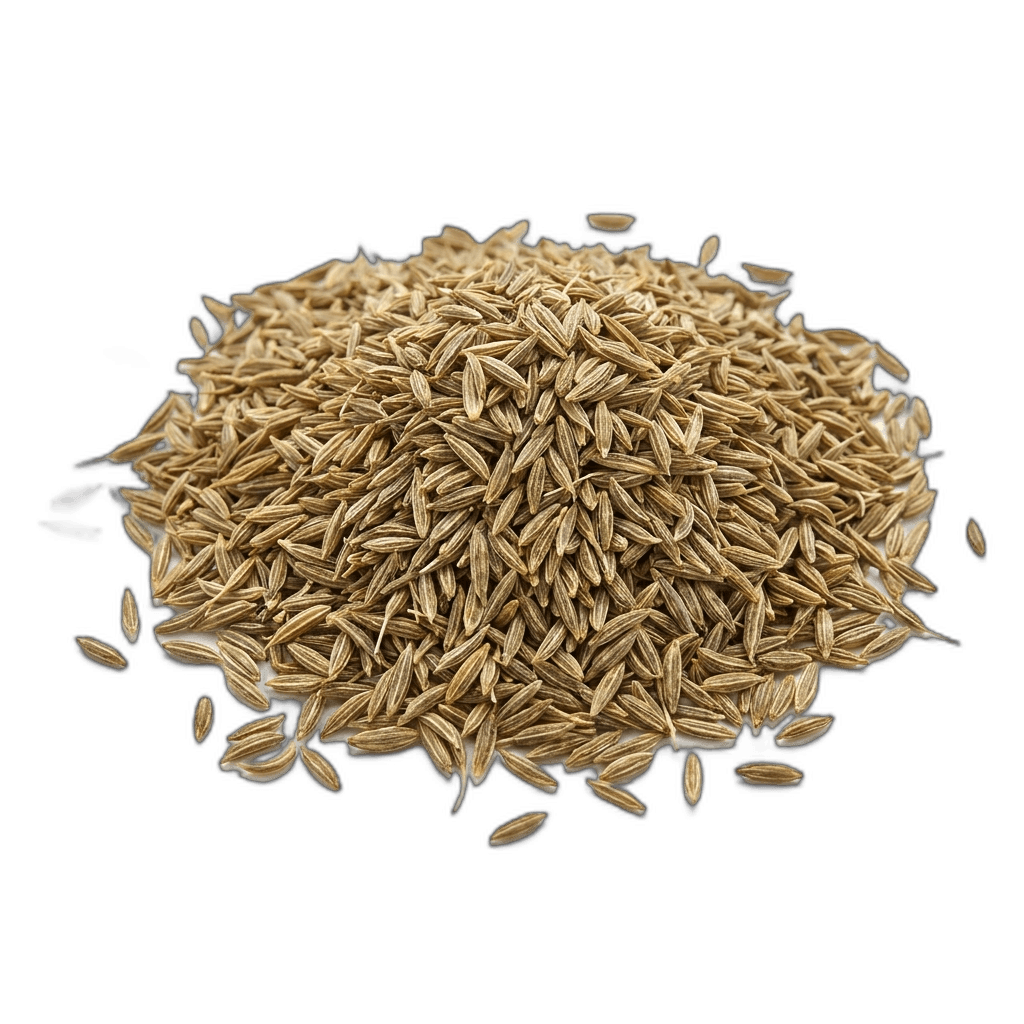
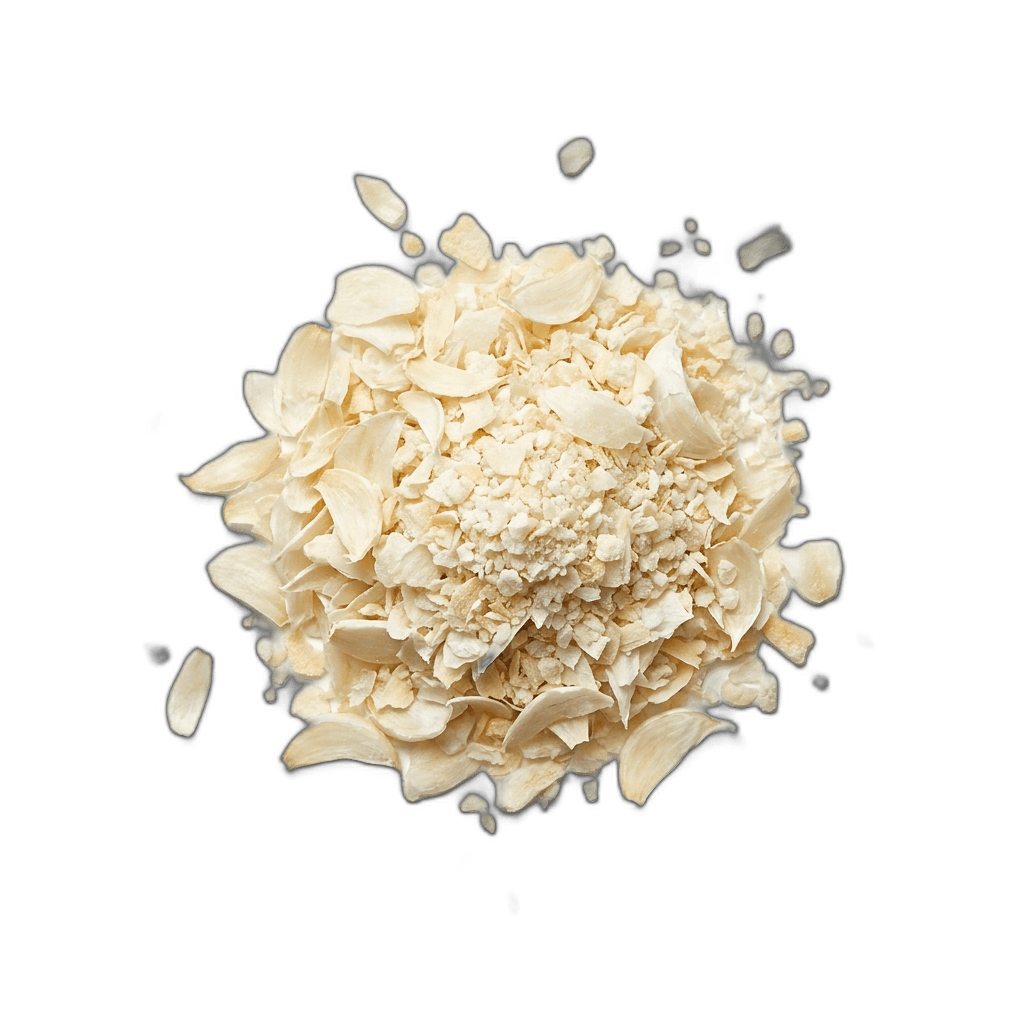
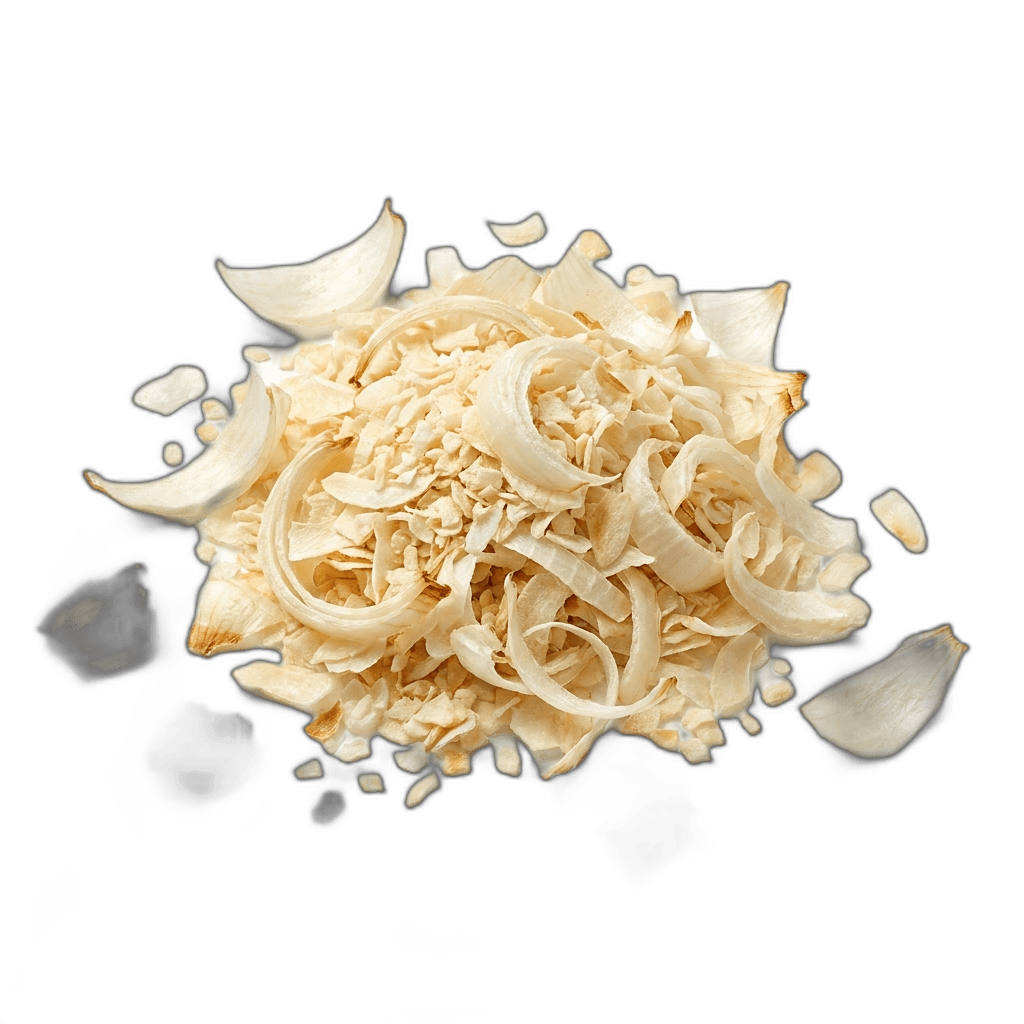
Nigella Seed
Kalonji / Mangrail
Uprawiana w pasach upraw nasion przyprawowych Bengalu Zachodniego i Madhya Pradesh, nasza czarnuszka jest oczyszczana metodą sortex do jednolitej, głębokiej, matowej czerni. Maleńkie nasiona w kształcie łezki niosą ciepły, pieprzny aromat z nutami prażonej cebuli i oregano oraz lekką goryczkę, która rozwija się podczas temperowania w gorącym oleju. Posypuj nimi naan i placki, wrzucaj je do dali albo do marynat i mieszanek panch phoron.
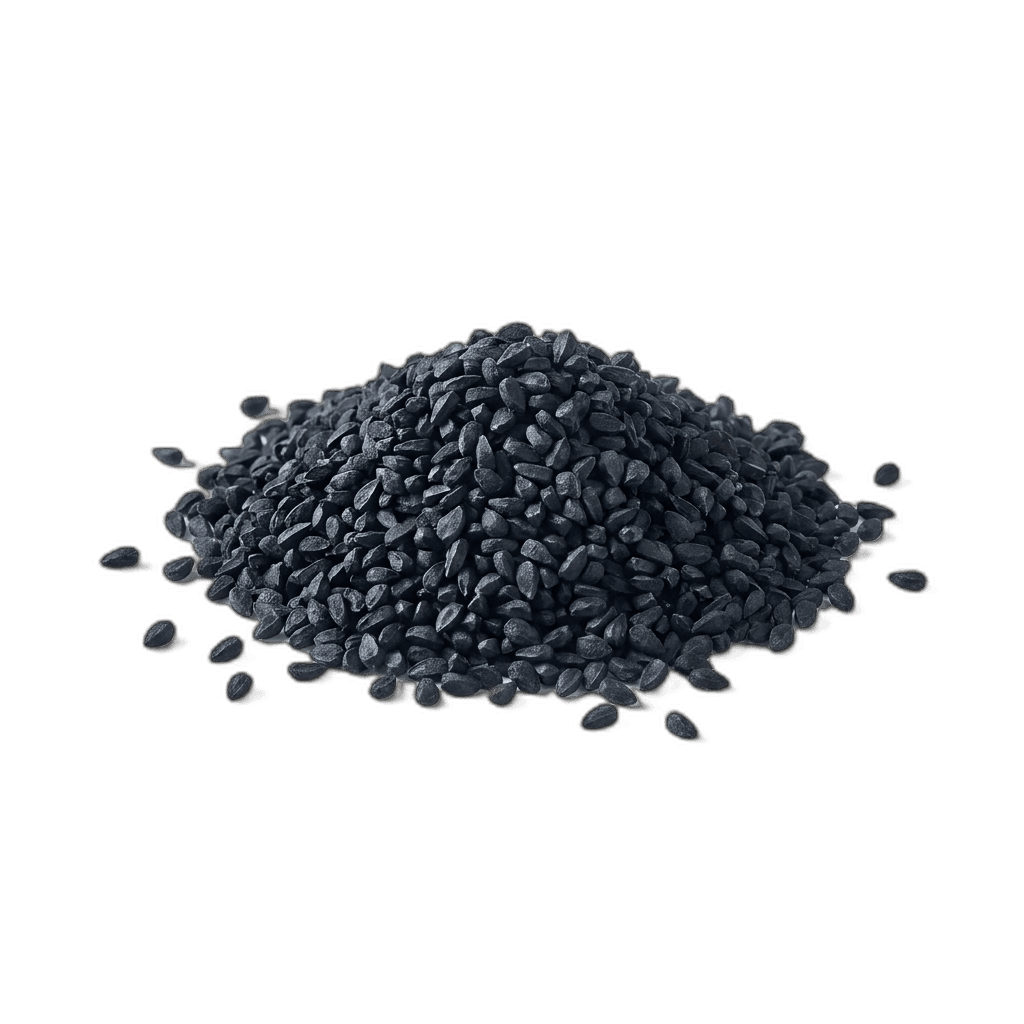
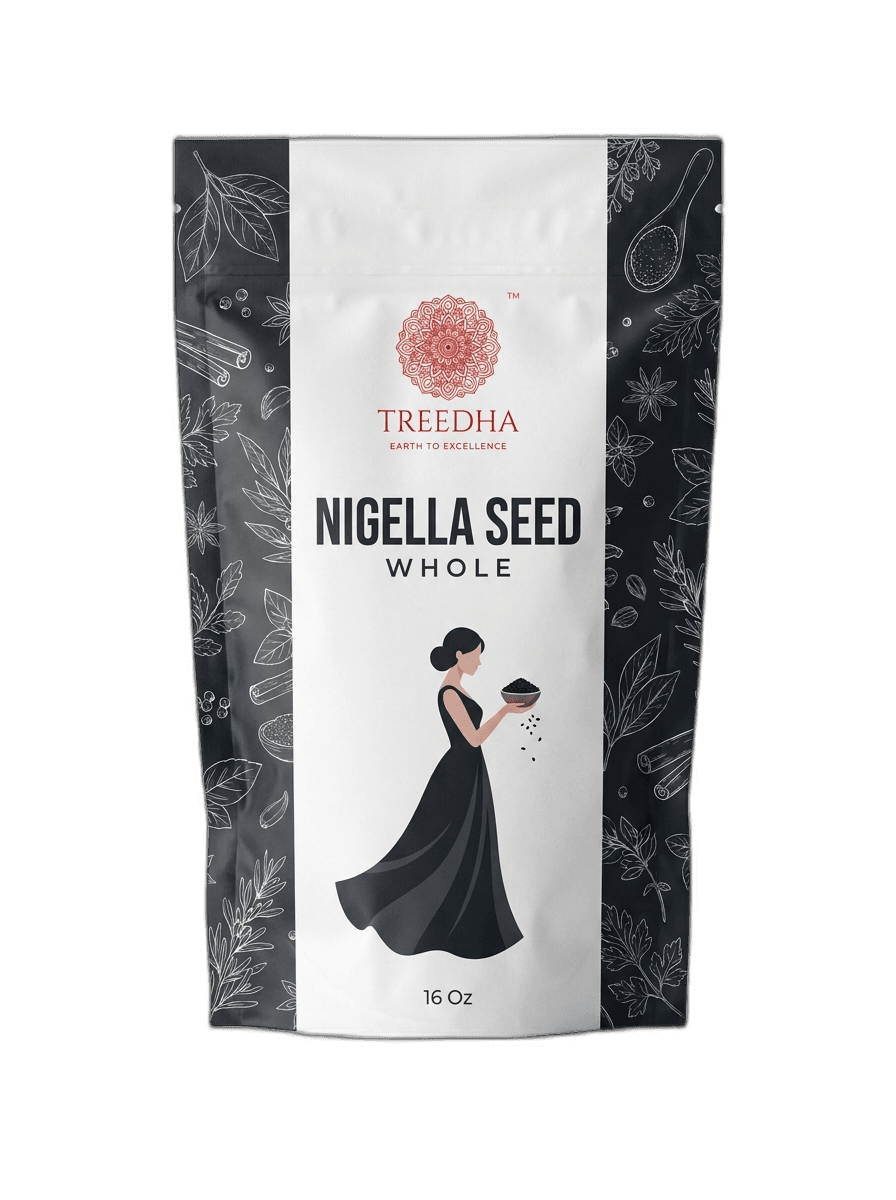
Pakowane w szczycie świeżości, wysyłane z pełnym pochodzeniem.
Pakowane w zamykane saszetki klasy spożywczej, które zatrzymują aromat i kolor — każda z oznaczeniem pochodzenia, klasy i profilu smakowego.
- Indie
- Pas Bengalu Zachodniego i Madhya Pradesh
- Całe nasiona
- Oczyszczane metodą sortex · intensywna czerń · 99% czystości
- Sterylizowane parą · wolne od ETO · badane laboratoryjnie
- 2-3 lata w całości, w hermetycznym zamknięciu
Znane również jako · Black Seed · Black Cumin · Nigelle · Habba Sawda · Nigella sativa
Jak je stosować
Posypywane na naan, kulcha i pieczywo typu everything-bagel
Temperowane do dali, warzyw i marynat
Składnik bengalskiej pięcioprzyprawowej mieszanki panch phoron
Posypywane na pieczone warzywa i wytrawne herbatniki
Dodawane do olejów i dressingów dla pieprznej nuty
Nigella Seed (Kalonji / Mangrail), also known as Black Seed, Black Cumin, or Nigella sativa, is a distinctive seed-spice from India, valued globally for its culinary applications and increasing demand in nutraceuticals. Treedha supplies Sortex-cleaned, bold black seeds with 99% purity, meeting stringent international compliance standards.
Sourcing & Origin
Treedha's Nigella Seed (Kalonji / Mangrail) originates from the prime seed-spice cultivation regions of West Bengal and Madhya Pradesh, India. These areas are renowned for their fertile soils and favourable climates, which contribute to the distinct flavour profile and bold appearance of the seeds. The specific origin ensures a consistent product quality that discerning global buyers expect.
Sourcing directly from these established belts allows for full traceability and control over the cultivation process. This direct engagement ensures that each batch of Nigella Seed reflects the true characteristics of its Indian provenance, a critical factor for importers seeking authentic, high-quality bulk ingredients. Buyers benefit from a supply chain that prioritises both consistency and origin integrity.
Export Grades & Specifications
Treedha specialises in Sortex-cleaned Nigella Seed, offering a premium export grade with 99% purity. This meticulous cleaning process effectively removes foreign matter, ensuring a uniform, bold black product, typically ranging from 1mm to 3mm in size.
Key specifications for our Nigella Seed include a maximum moisture content of 8%, crucial for extended shelf life and preventing mold. Volatile oil content is typically ≥1.5%, contributing to the characteristic pungent aroma. For nutraceutical applications, the active compound Thymoquinone is a significant quality metric, with levels generally ≥0.30% in the seeds. We provide batch-specific data to confirm these parameters, alongside limits for foreign matter (0.5% max), total ash (5% max), and acid insoluble ash (1.5% max).
Quality, Safety & Compliance
Adherence to international food safety regulations is paramount for Nigella Seed exports. Treedha ensures that our Nigella Seed is Ethylene Oxide (ETO)-free, a critical requirement as ETO is strictly regulated in the EU and US for many food products. Our steam-sterilisation process guarantees microbiological safety without chemical treatment.
All batches are lab-tested to meet stringent EU and US import limits for contaminants. This includes Aflatoxins, with limits typically ≤ 2 / 4 µg/kg for nutraceutical-grade products in the EU and 20 ppb in the US. Pesticide Maximum Residue Limits (MRLs) are strictly observed, with comprehensive pesticide panel results available. We confirm the absence of Salmonella, E. coli, and Staphylococcus, and verify that Sudan I, II, III, and IV dyes are 'not detected'. Heavy metal levels (lead, arsenic, cadmium) are also routinely monitored to comply with global standards, including California's Proposition 65. Essential documentation such as Certificates of Analysis (COA), Phytosanitary Certificates, and Certificates of Origin accompany every shipment, ensuring full transparency and compliance for our buyers.
Global Demand & Target Markets
Global demand for Nigella Seed (Black Seed) is robust and expanding, driven by its dual appeal in both culinary and health & wellness sectors. Germany is a primary importer, accounting for a significant share, followed by the United States. Europe and North America collectively represent major consumption centres, particularly for black seed oil in nutraceuticals and dietary supplements.
The increasing global interest in natural, plant-based health solutions underpins demand for Nigella Seed, recognised for its potential anti-inflammatory and antioxidant properties. This fuels its use in nutraceuticals, supplements, and even cosmetic formulations. Additionally, its role as a culinary spice in ethnic cuisines, bakery products, and flavourings maintains steady demand across markets including Asia-Pacific, Africa, the Middle East, Russia, and Australia.
Logistics, HS Code & Packing
The primary Harmonized System (HS) code for Nigella Seed (Nigella sativa / Kalonji) in international trade, particularly for export from India, is 09093119. It is essential for buyers to specify "Nigella sativa" in documentation to prevent confusion with other botanical species. Treedha supports a range of common incoterms, including FOB and CIF, to facilitate smooth international transactions.
Our Nigella Seed is offered in bulk formats, adaptable to various importer requirements. While precise MOQs are discussed directly with buyers, our approach is designed to cater to wholesale and private-label orders, ranging from 10kg to 50kg bags. The cleaned, sun-dried, and machine-sorted whole seeds have a shelf life of 2-3 years when stored appropriately in cool, dry, and airtight conditions.
- volza.com — volza.com
- zauba.com — zauba.com
- cbi.eu — cbi.eu
- cybex.in — cybex.in
- tridge.com — tridge.com
- harmainglobal.com — harmainglobal.com
Pytania
- Czy kalonji to to samo co nasiona czarnuszki?
- Tak. Kalonji to indyjska nazwa nasion Nigella sativa, sprzedawanych na Zachodzie jako nasiona czarnuszki, a w kręgach wellness jako czarne nasiona lub czarny kmin. To wszystko jedno i to samo małe, matowoczarne, cebulowo-pieprzne nasiono.
- Czy czarnuszka to to samo co czarny kmin lub shahi jeera?
- Nie, a nazwy te są często mylone. Prawdziwa czarnuszka to Nigella sativa, o kanciastych, matowoczarnych nasionach, podczas gdy shahi jeera to smukły krewniak kminu przypominający kminek. Nasze nasiono to autentyczna czarnuszka, a nie shahi jeera ani prawdziwy czarny kmin.
- Jak wydobyć z nasion najwięcej smaku?
- Smak czarnuszki rozwija się pod wpływem ciepła. Praż całe nasiona w gorącym oleju lub ghee przez kilka sekund przed dodaniem pozostałych składników albo lekko je opraż przed posypaniem chleba, by uwolnić pieprzny aromat prażonej cebuli.
- What is Nigella Seed, and what are its common trade names?
- Nigella Seed, scientifically known as Nigella sativa, is a small, black seed-spice primarily cultivated in India. It is widely known in trade as Kalonji, Mangrail, Black Seed, Black Cumin, Nigelle, and Habba Sawda.
- Where does Treedha's Nigella Seed originate from?
- Treedha's Nigella Seed is sourced from the fertile seed-spice belts of West Bengal and Madhya Pradesh, India. These regions are known for producing high-quality seeds with distinct characteristics.
- What quality specifications can I expect for bulk Nigella Seed from Treedha?
- You can expect Sortex-cleaned, bold black Nigella Seed with 99% purity. Key specifications include a maximum moisture content of 8%, volatile oil content typically ≥1.5%, and Thymoquinone levels generally ≥0.30%, all confirmed by batch-specific COAs.
- How does Treedha ensure compliance with international food safety standards?
- Treedha ensures compliance by supplying ETO-free, steam-sterilised Nigella Seed. All products are lab-tested to meet strict EU and US limits for aflatoxins, pesticide residues (MRLs), heavy metals, and microbiological safety (e.g., absence of Salmonella), with full documentation like COAs and Phytosanitary Certificates.
- What is the HS Code for Nigella Seed when importing from India?
- The primary Harmonized System (HS) code commonly used for Nigella Seed (Nigella sativa) in international trade, particularly for exports from India, is 09093119.
- What are the common packaging options and shelf life for Treedha's bulk Nigella Seed?
- Treedha offers bulk Nigella Seed in various formats, including 10kg, 25kg, and 50kg bags, designed for wholesale and private-label buyers. When stored in cool, dry, and airtight conditions, the whole seeds maintain a shelf life of 2-3 years.