Fine Semolina
Barik Rava / Sooji
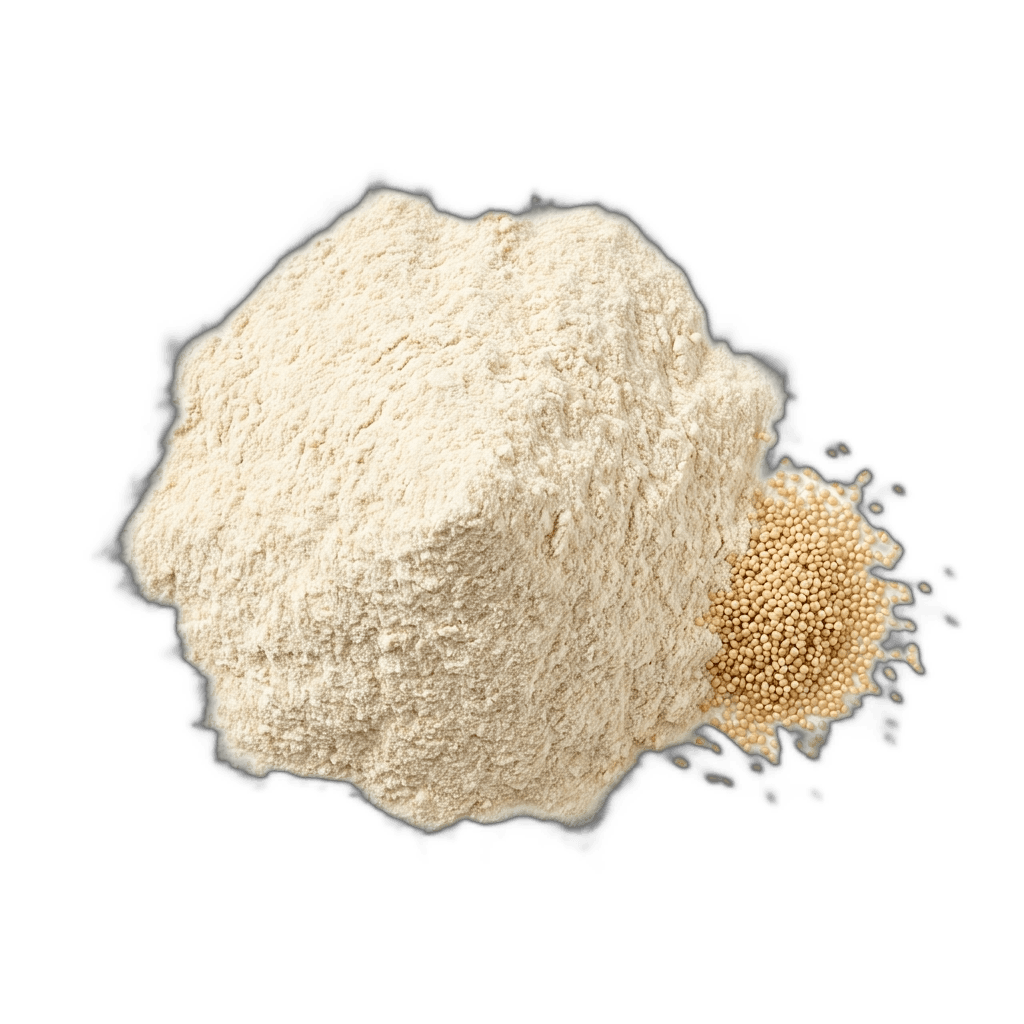
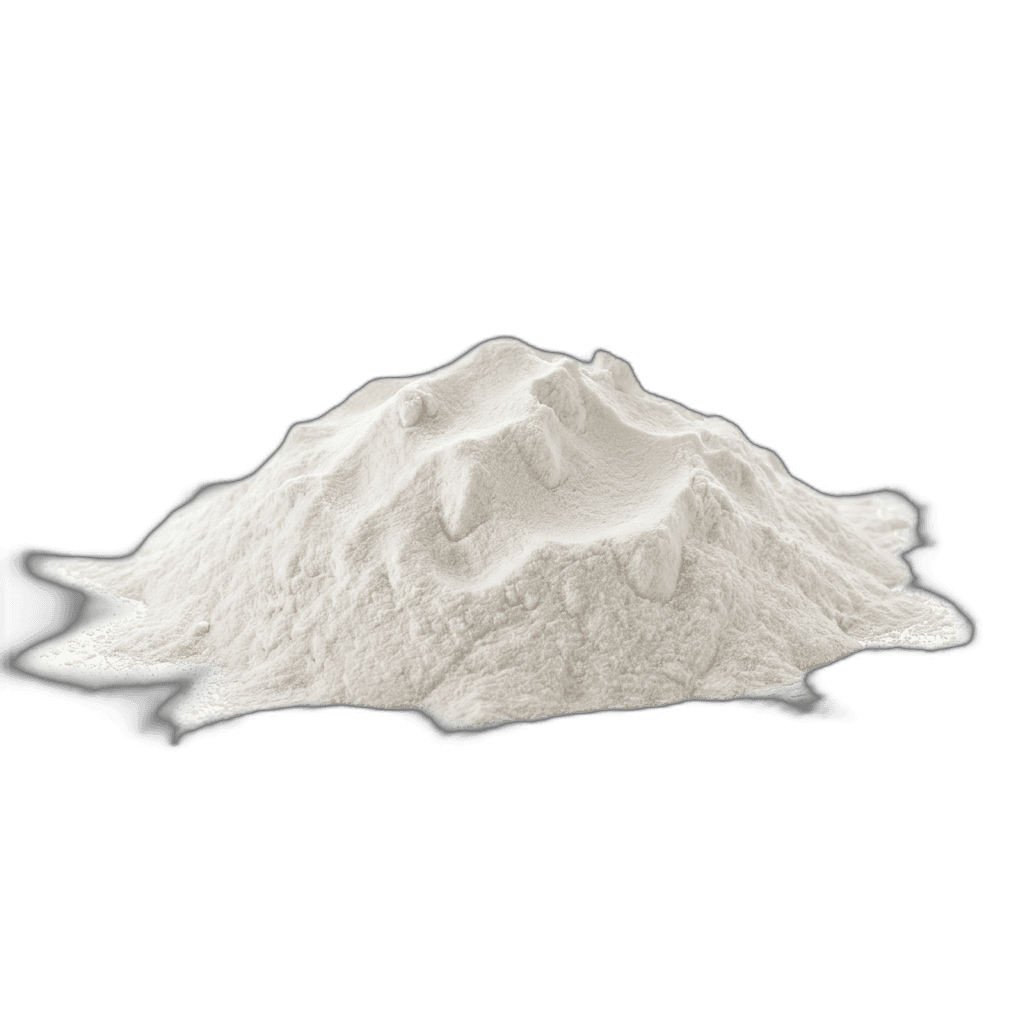
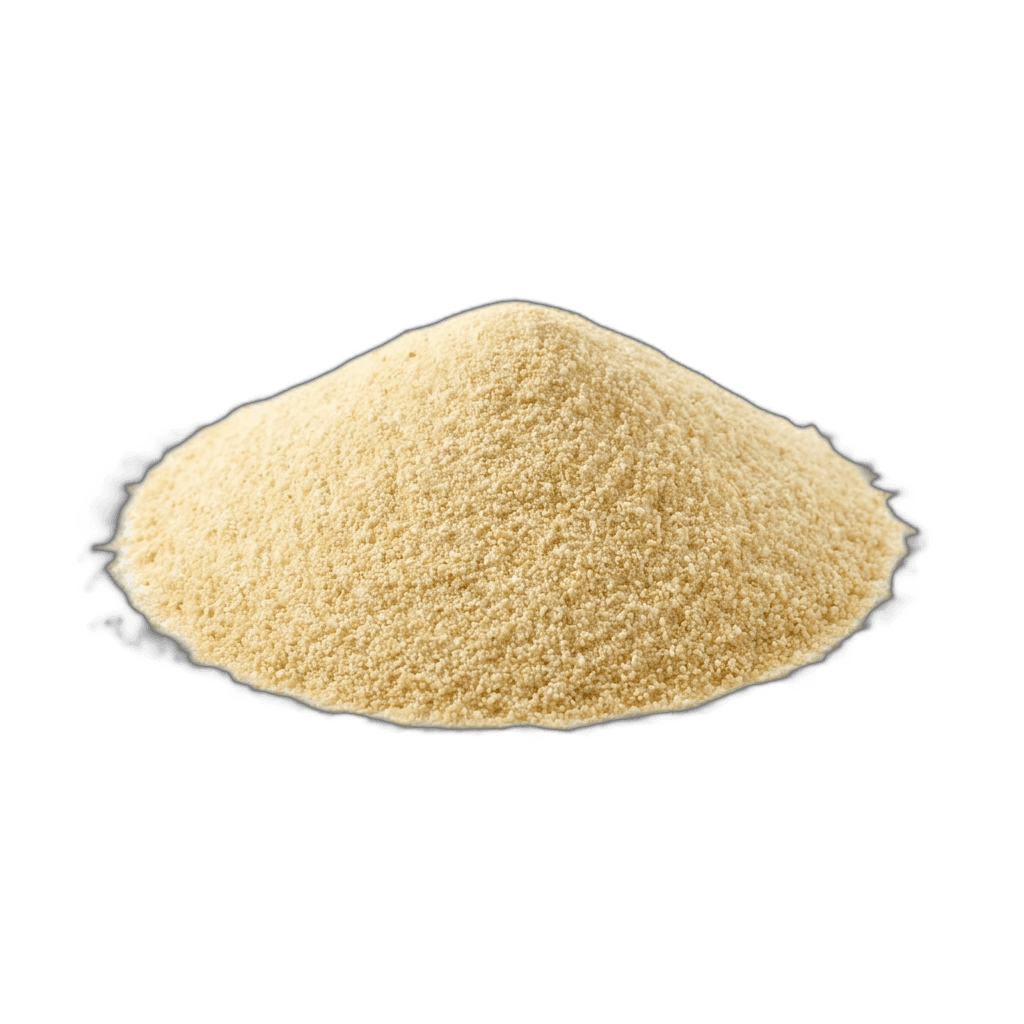
Gemahlen aus Hartweizen, der im Malwa-Gürtel von Madhya Pradesh, Indiens wichtigster Hartweizenregion, angebaut wird, und zu einem feinen, frei fließenden Korn gereinigt. Seine blassgoldene Farbe und sein reiner, nussiger Charakter passen sowohl zu westlichen als auch zu südasiatischen Küchen. Verwenden Sie ihn für Halwa, Sheera und Rava Idli, für Puddings und italienische Semolino-Desserts oder zum Bestäuben von Brot und zum Abrunden von frischer Pasta.
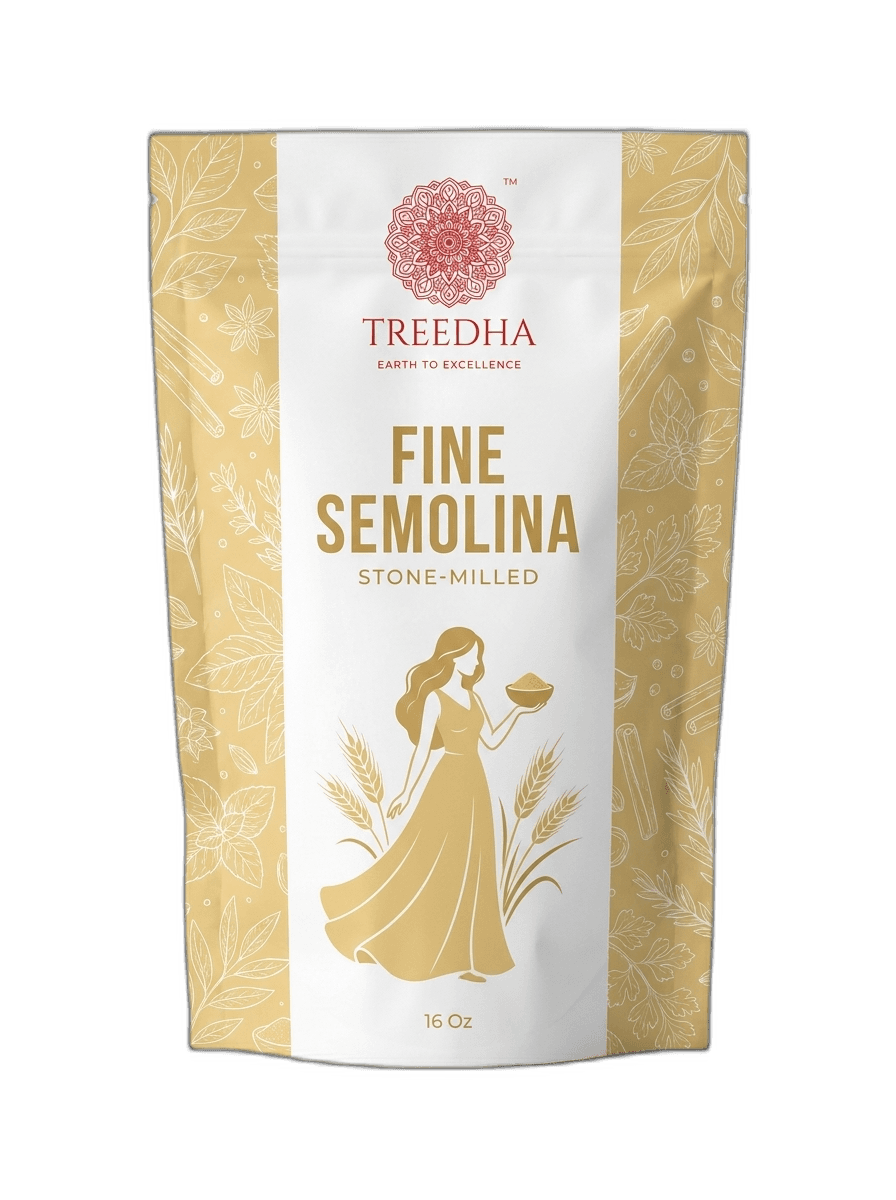
Auf dem Höhepunkt versiegelt, mit Herkunftsnachweis versandt.
Verpackt in wiederverschließbaren, lebensmittelechten Beuteln, die Aroma und Farbe bewahren – jeder mit Herkunft, Güteklasse und Geschmacksprofil gekennzeichnet.
- Madhya Pradesh, Indien
- Feiner Hartweizen in Dessertqualität (Barik)
- Walzengemahlen, gereinigtes Endosperm
- Fein, ca. 0,5–0,8 mm
- 100 % Hartweizen · keine Zusatzstoffe · laborgeprüft
- 9–12 Monate, bei Raumtemperatur
Auch bekannt als · Sooji · Suji · Semolino Fine · Farina
Verwendung
Sheera, Halwa und Rava Kesari
Rava Idli, Upma und herzhafte Teige
Milchpuddings und italienische Semolino-Desserts
Bestäuben von Brot und Abrunden von frischer Pasta
Panade für knusprige, goldene Pommes und Bratlinge
Fine Semolina (Barik Rava / Sooji) is a purified, roller-milled product of durum wheat endosperm, prized for its fine granulation and rich yellow colour. Sourced from India's Malwa durum belt, it is a versatile ingredient in dessert, breakfast, and pasta applications worldwide.
Sourcing & Origin
Treedha's Fine Semolina, known in India as Barik Rava or Sooji, originates from the renowned Malwa durum belt in Madhya Pradesh, India. This elevated plateau, situated at 450-600 metres above sea level, provides ideal climatic conditions for cultivating durum wheat, characterised by its hard, amber kernels.
The unique terroir of the Malwa region contributes to the durum wheat's high protein content and robust gluten structure, which are critical for producing semolina with superior texture and cooking characteristics. This geographical advantage ensures a consistent, high-quality raw material, making Indian durum semolina a preferred choice for discerning bulk importers globally.
Export Grades & Specifications
Our Fine Semolina (Barik Rava / Sooji) is classified as dessert-grade fine durum semolina, a meticulously processed product from purified durum wheat endosperm. It is distinguished by its fine granulation, typically between 0.5-0.8 mm, which contributes to its smooth consistency in culinary applications.
Each batch undergoes rigorous testing to ensure 100% durum wheat purity, free from additives or other cereal contamination. This commitment to specification ensures that our Semolino Fine meets the stringent quality requirements of international food manufacturers and distributors.
Quality, Safety & Compliance
Treedha is committed to delivering Fine Semolina (Barik Rava / Sooji) that adheres to the highest global food safety standards. Our processing ensures the product is ethylene-oxide (ETO) free, a critical requirement for many international markets, particularly within the European Union.
All consignments are lab-tested to meet EU and US regulatory limits for aflatoxins, pesticide Maximum Residue Limits (MRLs), and microbial contaminants like Salmonella. Full provenance documentation and Certificates of Analysis (CoAs) are provided with every shipment, ensuring complete transparency and compliance for our bulk buyers.
Global Demand & Target Markets
Fine Semolina (Barik Rava / Sooji) experiences consistent global demand, primarily driven by its versatility in various cuisines. It is a staple for traditional Indian sweets and breakfast dishes, and a key ingredient in pasta production, particularly in Mediterranean and European markets where 'Semolino Fine' or 'Farina' is preferred.
Major importing regions include the Middle East, Southeast Asia, and European Union member states, where consumers value its nutritional profile and culinary applications. The growing trend towards plant-based diets and home baking further sustains its market growth, making it an attractive commodity for importers and distributors.
Logistics, HS Code & Packing
The primary Harmonised System (HS) code for durum wheat semolina, including Fine Semolina (Barik Rava / Sooji), is 1103.11. Specific regional codes include 1103.11.00 for the EU and US, and 11031110 for Indian exports. Other relevant codes like 11010000 or 11029090 may appear in trade data for general semolina or flour exports.
Treedha offers Fine Semolina in bulk formats tailored for industrial and wholesale clients, with typical packaging in multi-wall paper bags or PP woven sacks. While specific Minimum Order Quantities (MOQ) are discussed per enquiry, our operations are geared to support significant bulk orders for international shipping. We facilitate trade under various Incoterms to best suit our clients' logistical preferences, and the product boasts a shelf life of 9-12 months under ambient storage conditions.
- freightamigo.com — freightamigo.com
- eximpe.com — eximpe.com
- volza.com — volza.com
- zauba.com — zauba.com
- cybex.in — cybex.in
- pocketful.in — pocketful.in
Fragen
- Ist Barik Rava dasselbe wie feiner Grieß?
- Ja. Barik Rava (auch Sooji oder Suji genannt) ist der indische Begriff für feinen Grieß, das gereinigte gekörnte Endosperm des Hartweizens. Die Italiener nennen die Dessertqualität Semolino fine.
- Was ist der Unterschied zwischen feinem und grobem Rava?
- Feiner (Barik) Rava hat ein kleineres Korn, das schnell gart und eine glatte Textur ergibt, ideal für Halwa, Idli und Puddings. Grober Rava behält mehr Biss und wird für Upma und knusprige Panaden bevorzugt.
- Wird dieser Grieß aus Hartweizen hergestellt?
- Ja. Er wird aus Hartweizen gemahlen, der im Malwa-Gürtel von Madhya Pradesh, Indiens wichtigster Hartweizen-Anbauregion, angebaut wird, was dem Grieß seine blassgoldene Farbe und feste Textur verleiht.
- What is Fine Semolina (Barik Rava / Sooji)?
- Fine Semolina, also known as Barik Rava or Sooji, is a granular product made by roller-milling and purifying the endosperm of hard durum wheat. It has a fine texture and golden yellow colour, ideal for various culinary uses.
- Where does Treedha source its Fine Semolina from?
- Treedha sources its Fine Semolina (Barik Rava / Sooji) exclusively from the Malwa durum belt in Madhya Pradesh, India, a region renowned for producing high-quality durum wheat.
- Is Treedha's Fine Semolina (Barik Rava / Sooji) ETO-free?
- Yes, all Treedha's Fine Semolina (Barik Rava / Sooji) is processed to be ethylene-oxide (ETO) free, meeting international regulatory standards for food safety.
- What are the common uses for Fine Semolina (Barik Rava / Sooji) in global markets?
- Fine Semolina (Barik Rava / Sooji) is widely used in making traditional Indian sweets and breakfast dishes, as well as in pasta, couscous, and other baked goods in European and Middle Eastern cuisines.
- What is the HS Code for Fine Semolina (Barik Rava / Sooji)?
- The primary Harmonised System (HS) code for Fine Semolina (Barik Rava / Sooji) is 1103.11 for durum wheat semolina. Specific regional codes like 1103.11.00 (EU/US) and 11031110 (India) are also applicable.
- Does Treedha provide lab testing and compliance documentation for bulk orders?
- Absolutely. Treedha provides comprehensive lab-testing reports and full compliance documentation, including Certificates of Analysis (CoAs), to ensure our Fine Semolina meets stringent international import limits for aflatoxins, MRLs, and microbial safety.