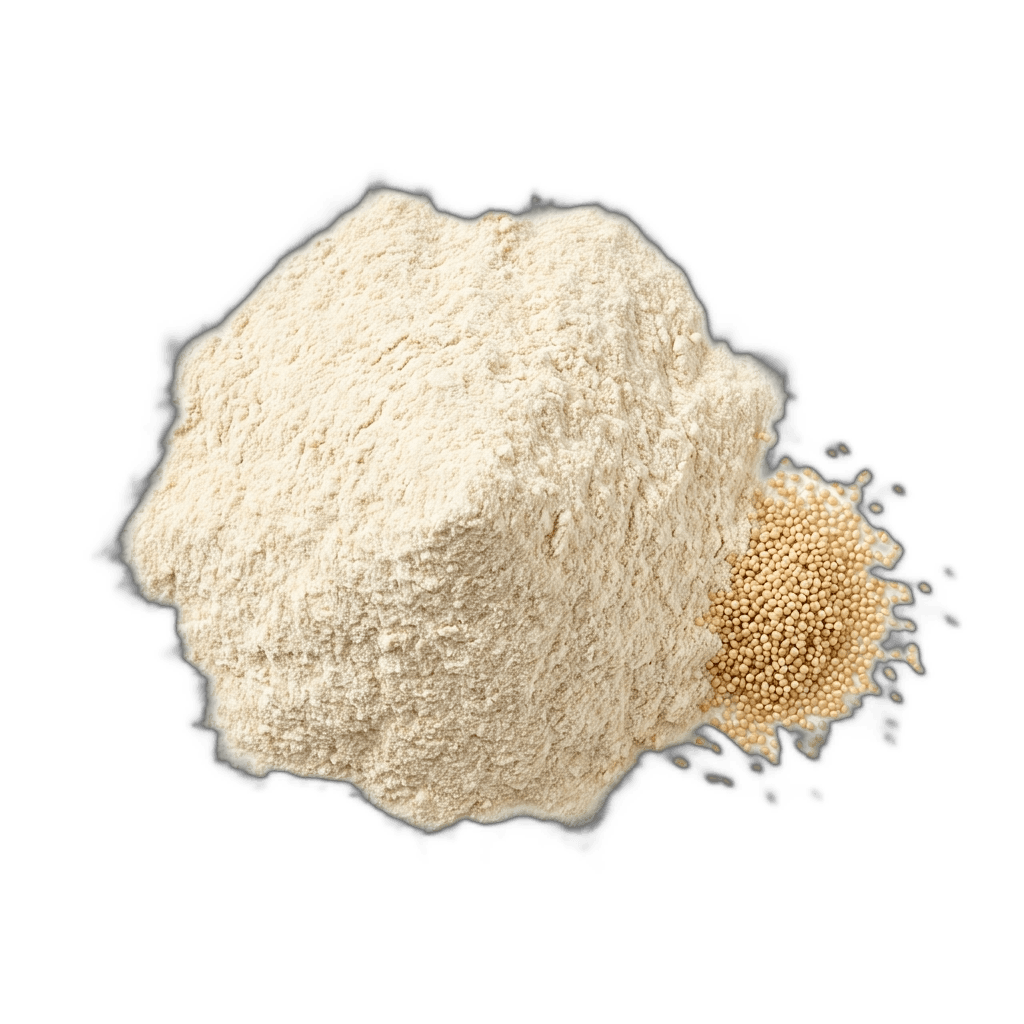
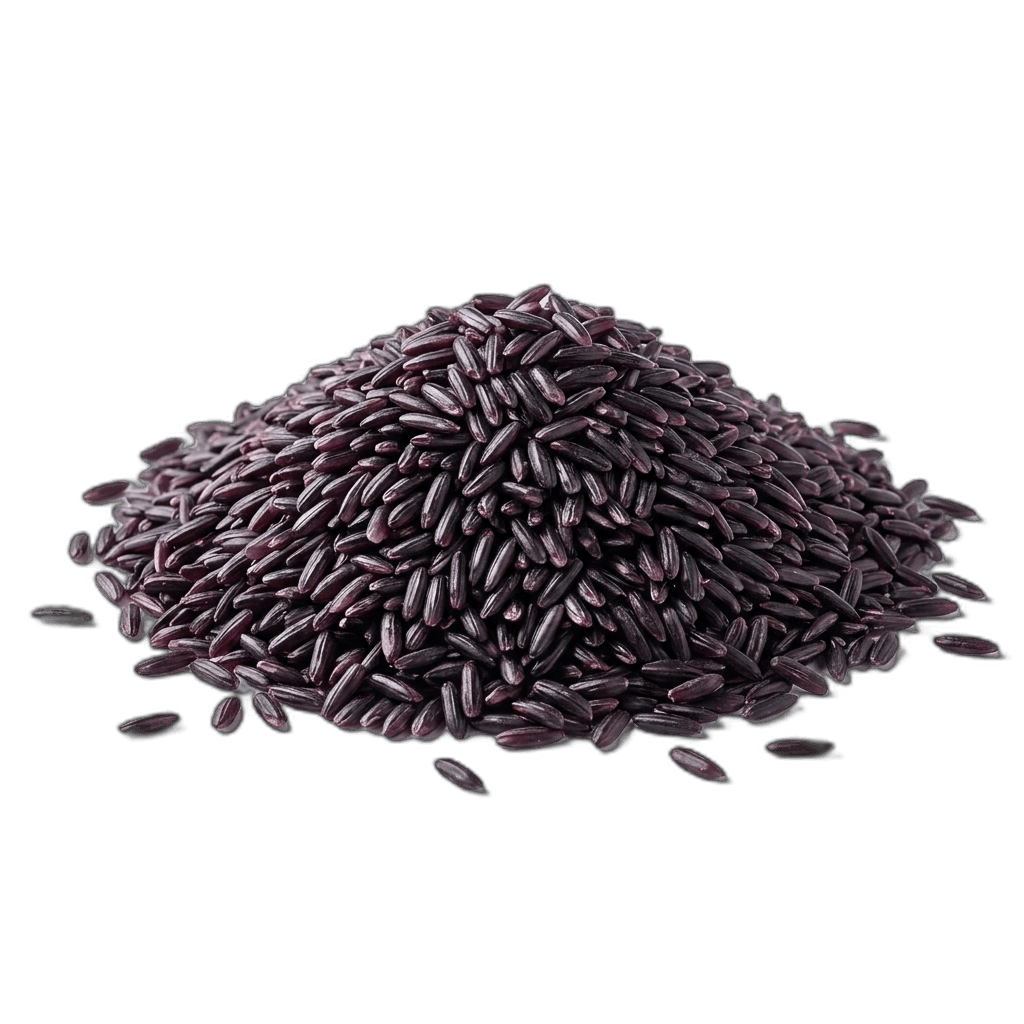
Red Rice
Palakkadan Matta Rice
GI-zertifizierter Palakkadan Matta aus den schwarzen Baumwollböden des Distrikts Palakkad in Kerala, in der Spelze vorgedämpft und dann gemahlen, um die rötliche Kleie zu bewahren. Kräftig, grobkörnig und nussig, kocht er prall und bissfest und hält deftigem Kochen stand. Ein Vollkorn-Grundnahrungsmittel für südindische Gerichte oder eine markante Camargue-artige Alternative auf jedem Teller.
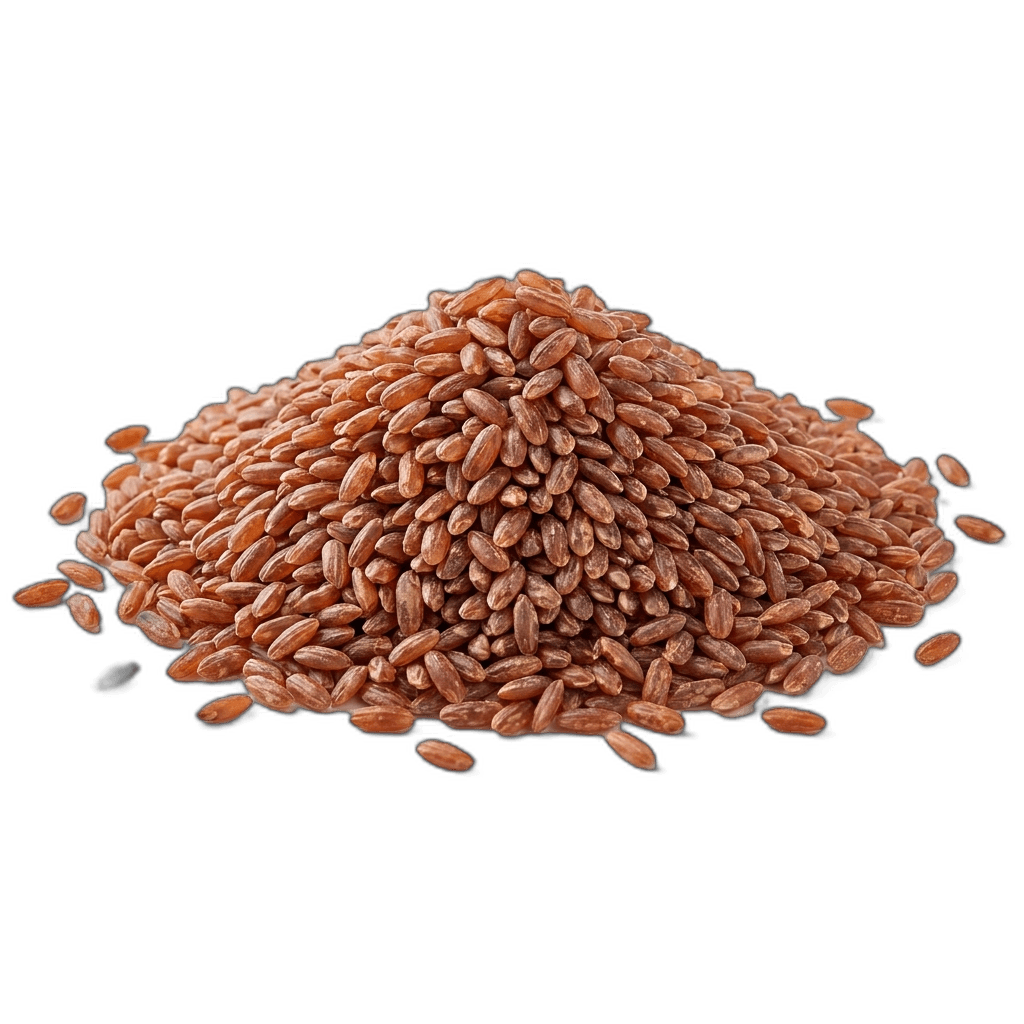
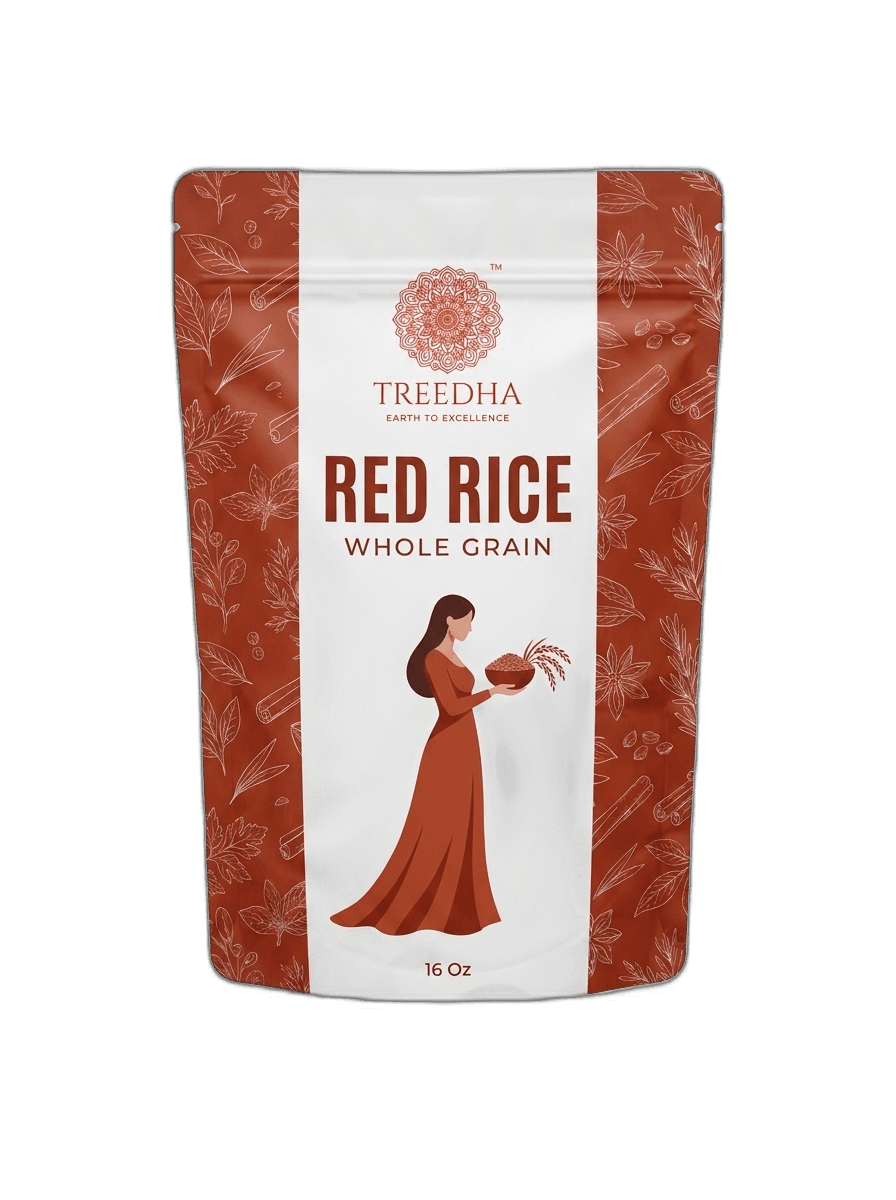
Auf dem Höhepunkt versiegelt, mit Herkunftsnachweis versandt.
Verpackt in wiederverschließbaren, lebensmittelechten Beuteln, die Aroma und Farbe bewahren – jeder mit Herkunft, Güteklasse und Geschmacksprofil gekennzeichnet.
- Palakkad, Kerala, Indien
- GI-zertifizierter Palakkadan Matta
- Unpoliertes, vorgedämpftes Vollkorn
- Erhaltene rote Kleie, niedriger GI
- Geprüfte Chargen · auf Pestizid-MRL kontrolliert
- 8-12 Monate bei Raumtemperatur
Auch bekannt als · Kerala Matta Rice · Rosematta Rice · Riz Rouge · Kerala Red Parboiled Rice
Verwendung
Alltägliche südindische Mahlzeiten mit Sambar und Avial
Deftige Reisschüsseln und Pilaws
Kanji (Reisbrei) und Congee
Salate und Getreideschüsseln als Camargue-artige Alternative
Idli- und Dosa-Teig für ein rustikales, ballaststoffreiches Ergebnis
Red Rice (Palakkadan Matta Rice) is a GI-tagged unpolished parboiled red rice from Kerala, India, prized for its distinctive earthy flavour, coarse texture, and nutritional profile due to its retained red bran.
Sourcing & Origin
Palakkadan Matta Rice, also known as Kerala Matta Rice or Rosematta Rice, originates exclusively from the Palakkad district in Kerala, India. This specific geographical indication (GI-tag) ensures the authenticity and unique characteristics of the grain. The paddy is cultivated in the fertile plains of Palakkad, typically at altitudes between 80 and 150 metres.
The unique soil composition and climatic conditions of this region impart a distinct flavour and texture to the rice, which is highly valued by global importers. Sourcing from this specific origin guarantees that buyers receive genuine GI-tagged Palakkadan Matta Rice, a key differentiator in the international bulk trade for discerning distributors and food brands.
Export Grades & Specifications
Palakkadan Matta Rice is typically traded as GI-tagged unpolished parboiled red rice, undergoing a specific processing method. The paddy is parboiled in its husk before milling, a step that helps to retain the nutrient-rich red bran (pericarp) and imparts its characteristic reddish hue and firm texture. Key specifications for bulk export ensure consistency and quality:
| Specification | Palakkadan Matta Rice Grade A | Palakkadan Matta Rice Grade B |
|---|---|---|
| Grain Length | 3-4 mm | 3-4 mm |
| Moisture Content | 13% Maximum | 14% Maximum |
| Broken Grains | 2% Maximum | 5% Maximum |
| Foreign Matter | 0.1% Maximum | 0.2% Maximum |
| Damaged/Discoloured | 0.5% Maximum | 1% Maximum |
| Paddy per Kg | 2.0 grains Maximum | 5.0 grains Maximum |
| Sortex Clean | 100% | 99% |
| Purity | 99% | 95% |
These specifications are crucial for bulk buyers to ensure the rice meets their intended culinary applications and quality benchmarks. The unpolished, parboiled nature ensures the retention of the red bran, contributing to its nutritional value and distinct cooking properties.
Quality, Safety & Compliance
Ensuring the highest standards of quality and safety is paramount for bulk exports of Palakkadan Matta Rice to international markets. Treedha guarantees compliance with stringent regulatory frameworks, including those set by the EU and US FDA. All our Red Rice is steam-sterilised and meticulously lab-tested to confirm it is ethylene-oxide (ETO) free, addressing a significant concern for food imports from India into the EU.
For the European Union, rice shipments are rigorously screened for aflatoxin and mycotoxin limits, with specific maximum levels of 5 µg/kg for Aflatoxin B1 and 10 µg/kg for total aflatoxins. Pesticide MRLs are strictly adhered to, often at 0.01 mg/kg for unapproved substances, as per EC No 396/2005. Additionally, heavy metal limits, including Cadmium (0.2 mg/kg), Lead (0.2 mg/kg), and Inorganic Arsenic (0.25 mg/kg for parboiled rice), are meticulously monitored. For US imports, all commercial rice is subject to FDA inspection and requires Prior Notice, along with a phytosanitary certificate from India's national plant protection organization to prevent pest introduction. A comprehensive Certificate of Analysis (CoA) and other essential documentation, such as phytosanitary certificates and Certificates of Inspection (CoI) for EU markets, accompany every shipment, confirming adherence to international food safety regulations.
Global Demand & Target Markets
Demand for Palakkadan Matta Rice, also known as Riz Rouge or Kerala Red Parboiled Rice, is driven by its distinct culinary characteristics and growing consumer interest in healthier grain alternatives. The United Arab Emirates and Qatar are particularly significant importers of Palakkadan Matta Unda, reflecting its popularity in the Middle East, often driven by expatriate populations and those seeking diverse flavour profiles. Broader global demand for semi-milled or wholly milled rice (HS 1006.30) includes markets such as Iran, China, Saudi Arabia, the USA, and Indonesia.
The nutritional benefits of Palakkadan Matta Rice are a key demand driver; its retained bran layer provides a rich source of fibre, minerals like magnesium and iron, and beneficial antioxidants. Health-conscious consumers are drawn to its lower to medium Glycemic Index (typically 55-68), offering a sustained energy release compared to refined white rice. Culturally, it is a staple in South Indian and Sri Lankan cuisine, valued for its robust flavour that complements hearty curries and traditional dishes like idlies and appams. Competitive pricing from India further strengthens its position in the international bulk grain market.
Logistics, HS Code & Packing
For bulk exports of Palakkadan Matta Rice, the Harmonized System (HS) code is a critical identifier. The general HS code for parboiled rice is 1006.30. Specifically for GI-tagged Palakkadan Matta rice, India uses the 8-digit HS code 1006.30.11, and for Palakkadan Matta Unda exports, 1006.30.10 is commonly observed. These codes facilitate smooth customs clearance and accurate trade data reporting.
Treedha offers flexible packing solutions to suit bulk importer and private-label buyer needs, including standard pack sizes such as 500g, 1kg, and 2kg, in addition to larger bulk formats for industrial use. Our approach to Minimum Order Quantity (MOQ) is tailored to ensure efficient container utilisation and cost-effectiveness for our B2B partners, aligning with standard international trade practices. We operate on widely recognised Incoterms and provide a typical shelf life of 8-12 months when stored in ambient conditions, ensuring product integrity throughout the supply chain.
- viexports.com — viexports.com
- aisforeverythingllc.com — aisforeverythingllc.com
- cbi.eu — cbi.eu
- yuvarajuagroimpex.com — yuvarajuagroimpex.com
- indianagriculturalfacts.com — indianagriculturalfacts.com
- fao.org — fao.org
Fragen
- Ist Matta-Reis dasselbe wie roter Reis?
- Palakkadan Matta ist ein spezifischer GI-zertifizierter roter Reis aus Kerala, auch Rosematta oder Kerala-Rotreis genannt. Während also jeder Matta roter Reis ist, ist nicht jeder rote Reis Matta. Dies ist die authentische Kerala-Sorte mit ihrem charakteristischen groben Korn und der roten Kleie.
- Wie lange braucht roter Reis zum Kochen?
- Da die Kleie intakt ist, braucht er länger als weißer Reis, typischerweise 30-45 Minuten köchelnd, oder weniger im Schnellkochtopf. Ein einstündiges Einweichen vorab verkürzt die Garzeit und verbessert die Textur. Erwarten Sie pralle, bissfeste Körner.
- Warum ist der Reis rot?
- Die Farbe stammt vom natürlichen rötlichen Perikarp oder der Kleieschicht, die intakt bleibt, weil das Korn unpoliert ist. Diese Kleie trägt die Ballaststoffe, Mineralien und Antioxidantien und verleiht dem Reis seinen kräftigen, nussigen Charakter und einen niedrigeren glykämischen Index.
- What is Palakkadan Matta Rice?
- Palakkadan Matta Rice, also known as Kerala Matta Rice or Riz Rouge, is a distinctive GI-tagged unpolished parboiled red rice from Palakkad, Kerala, India, retaining its nutrient-rich red bran layer.
- What is the HS Code for bulk Palakkadan Matta Rice exports?
- The primary HS code for GI-tagged parboiled Palakkadan Matta rice is 1006.30.11. For Palakkadan Matta Unda, 1006.30.10 is commonly used in trade.
- Is Treedha's Red Rice compliant with EU and US import standards?
- Yes, our Palakkadan Matta Rice is steam-sterilised, ETO-free, and rigorously lab-tested to meet stringent EU and US FDA limits for aflatoxins, pesticide residues, heavy metals, and other contaminants.
- What are the typical bulk packing options for Kerala Red Parboiled Rice?
- We offer bulk packing in various sizes, including 500g, 1kg, and 2kg, along with larger formats suitable for industrial and wholesale requirements, with options for private labelling.
- How does Palakkadan Matta Rice differ from white rice nutritionally?
- Palakkadan Matta Rice retains its red bran layer, making it richer in fibre, minerals (magnesium, iron), antioxidants, and typically has a lower to medium Glycemic Index compared to refined white rice.
- Can I receive a Certificate of Analysis (CoA) for my order?
- Yes, every bulk shipment of Palakkadan Matta Rice is accompanied by a comprehensive Certificate of Analysis, detailing its compliance with international quality and safety parameters.