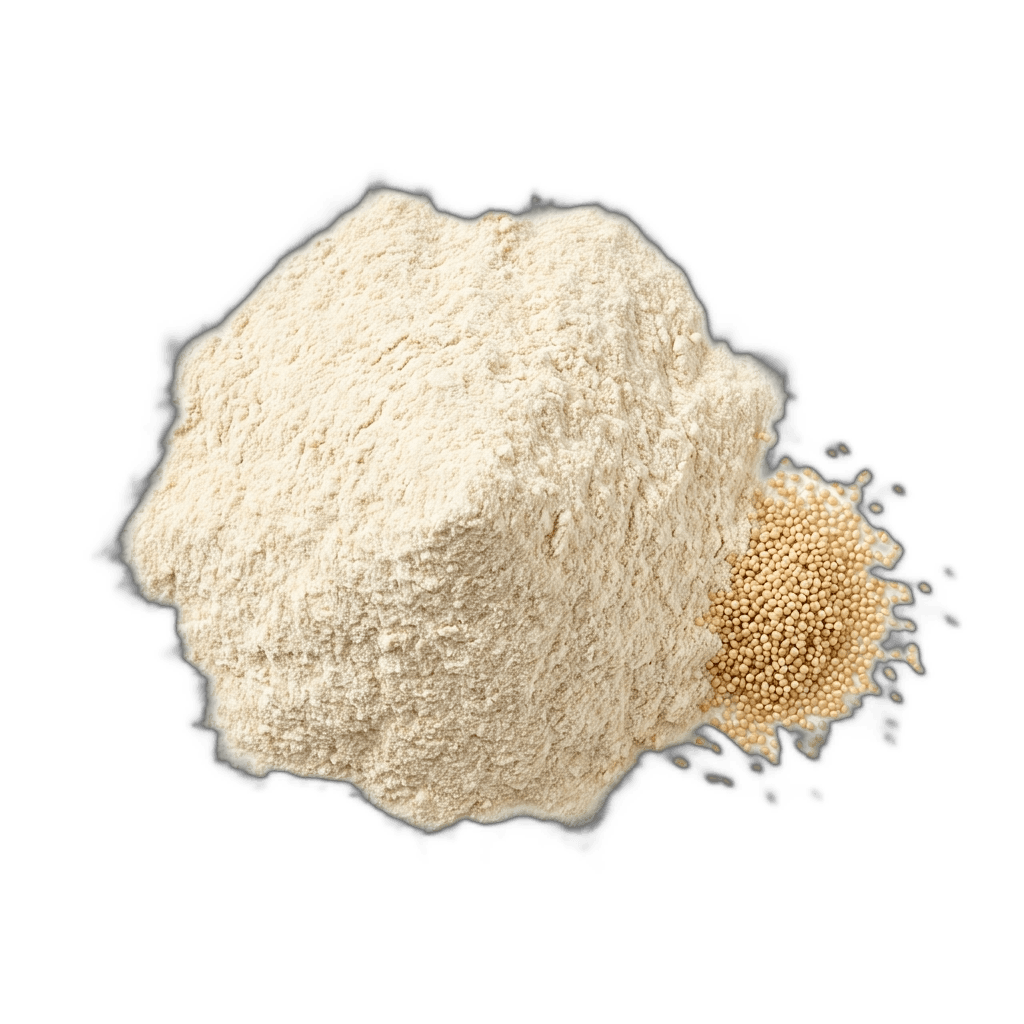
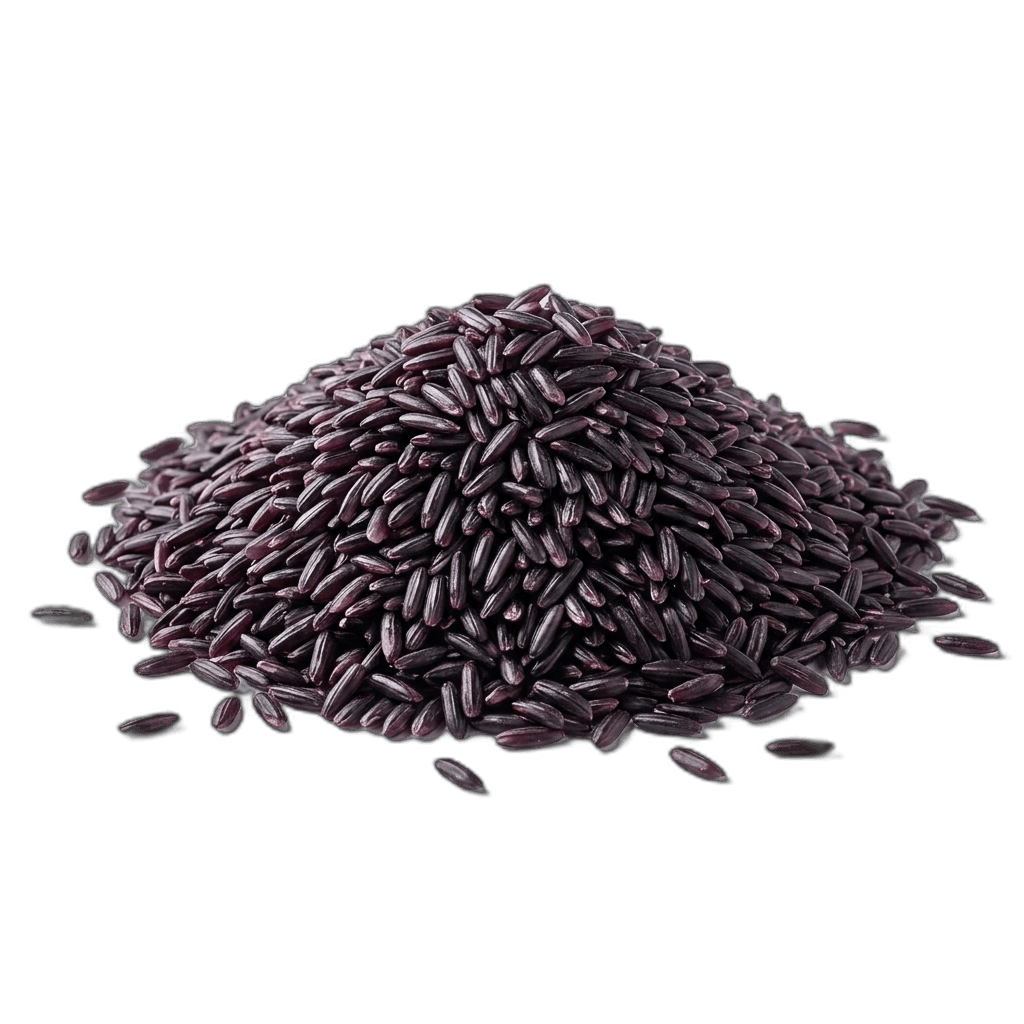
Tapioca Pearls
Sabudana
Glänzende Stärkeperlen, gerollt aus Maniok, der in Südindien angebaut und im Sago-Gürtel rund um Salem und Namakkal, dem Herzen des indischen Tapiokahandels, raffiniert wird. Gedämpft, um ihre Form zu fixieren, und hart sonnengetrocknet, werden sie beim Kochen durchscheinend und angenehm zäh. Unverzichtbar für Sabudana Khichdi und Fastengerichte, milchige Puddings und die Bubble-Tea-Boba, die weltweit Café-Menüs erobert hat.

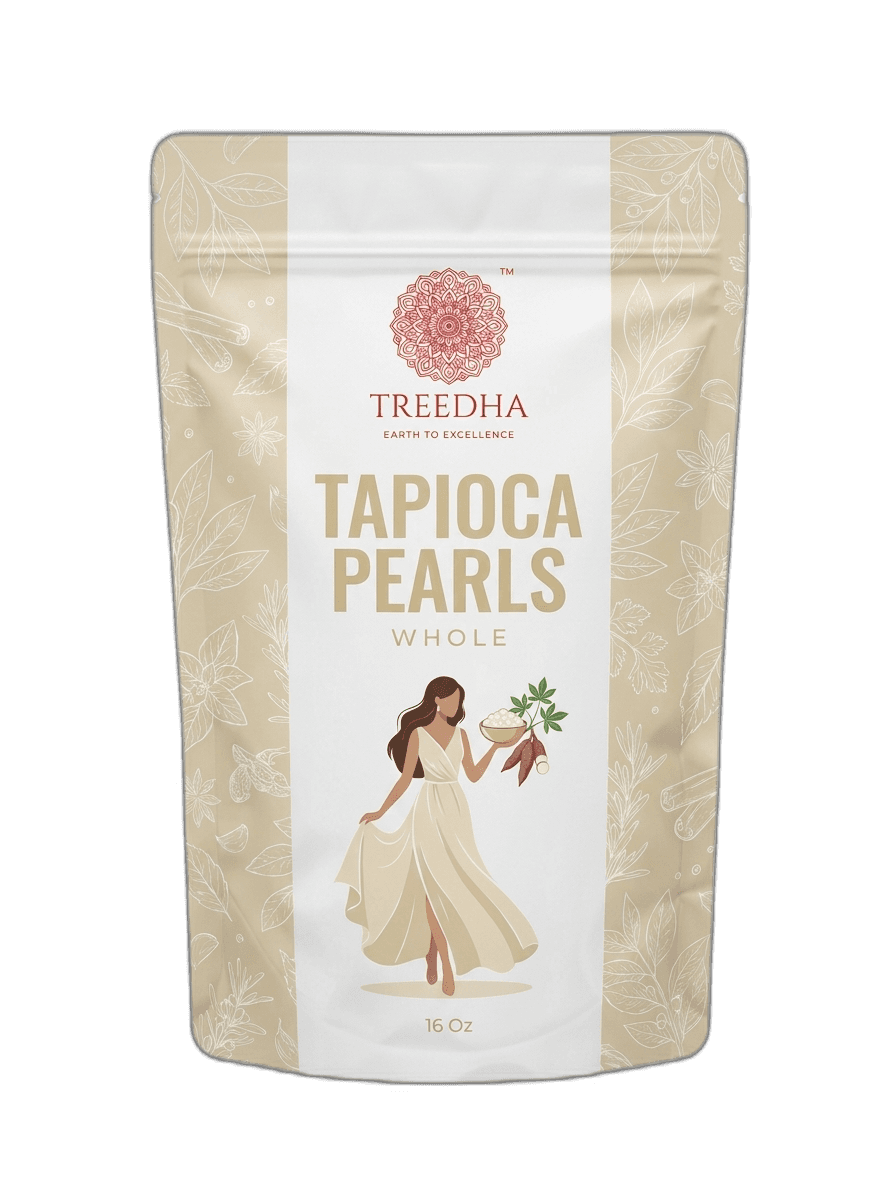
Auf dem Höhepunkt versiegelt, mit Herkunftsnachweis versandt.
Verpackt in wiederverschließbaren, lebensmittelechten Beuteln, die Aroma und Farbe bewahren – jeder mit Herkunft, Güteklasse und Geschmacksprofil gekennzeichnet.
- Tamil Nadu, Indien
- Lebensmittelechter Tapioka-Sago
- Gedämpfte, getrocknete Stärkeperlen
- Maniok-(Tapioka-)Stärke
- Glutenfrei, laborgeprüft
- 18+ Monate, bei Raumtemperatur versiegelt
Auch bekannt als · Sago Pearls · Boba · Perles du Japon · Cassava Pearls
Verwendung
Sabudana Khichdi und Vrat-Fastengerichte
Bubble-Tea-Boba-Perlen
Tapioka- und Sago-Pudding (Kheer)
Andicken von Suppen, Soßen und Füllungen
Knusprige Sabudana Vada und Krapfen
Tapioca Pearls (Sabudana) are versatile starch pearls, derived from cassava, widely used in beverages like bubble tea, desserts, and gluten-free applications. Treedha offers food-grade, uniform medium pearls, sourced from India's prime growing regions, meeting stringent international food safety standards for bulk export.
Sourcing & Origin
Treedha's Tapioca Pearls, known also as Sabudana, Sago Pearls, or Cassava Pearls, originate from the Salem-Namakkal sago belt in Tamil Nadu, India. This region is renowned for its optimal cassava cultivation, providing the ideal starch base for pearl production.
The distinct agro-climatic conditions of Tamil Nadu ensure a consistent quality of cassava, which directly influences the final texture and stability of the pearls. Sourcing from this established origin guarantees the consistent 'QQ' chewiness highly valued by global buyers, especially within the burgeoning bubble tea industry. Our commitment to direct origin sourcing provides full provenance for every bulk shipment.
Export Grades & Specifications
Treedha offers food-grade tapioca sago in a uniform medium pearl size, crafted by extracting cassava starch, rolling it into pearls, then steaming and sun-drying. Achieving the desired 'QQ' texture, a balance of softness and resilience, is paramount for commercial applications like bubble tea, ensuring consistent product performance.
Our specifications are designed to meet diverse importer requirements, with meticulous attention to detail from raw material to finished product. We ensure purity and consistency, vital for both traditional culinary uses and modern beverage formulations. Buyers can expect full transparency through comprehensive Certificates of Analysis (COAs).
Quality, Safety & Compliance
Compliance with international food safety regulations is a cornerstone of Treedha's export operations for Tapioca Pearls (Sabudana). Our products are strictly ethylene-oxide (ETO) free, a critical requirement for market access in the EU and US, where ETO residues lead to product interception.
We adhere to stringent maximum residue limits (MRLs) for contaminants. For aflatoxins, our products comply with EU standards (e.g., 2 µg/kg for Aflatoxin B1 and 4 µg/kg for sum of aflatoxins), and US guidelines (20 µg/kg for total aflatoxins). All shipments are tested for heavy metals, Sudan dyes, and other microbiological contaminants like Salmonella, ensuring they meet global food safety benchmarks. Comprehensive Certificates of Analysis (COA) are provided with every batch, verifying technical specifications such as starch content, moisture, and absence of bleaching agents, alongside necessary phytosanitary certificates and FDA registration for the US market.
Global Demand & Target Markets
The global demand for Tapioca Pearls (Sabudana, Boba) is significantly driven by the widespread popularity of bubble tea beverages, particularly across North America, Europe, and the Asia-Pacific region. The United States consistently ranks as a top importer, accounting for a substantial share of global imports under HS 19030000. Other key importing nations include China, Canada, the United Kingdom, and South Korea, with emerging markets in Nepal, Singapore, Australia, Ghana, Tanzania, and the UAE also showing interest.
Beyond bubble tea, demand is further bolstered by the increasing consumer preference for gluten-free and plant-based food ingredients. This trend, coupled with innovation in culinary applications such as desserts and bakery products, continues to expand the market for these versatile pearls. The growth of at-home beverage crafting and the global expansion of bubble tea chains underscore the need for a reliable, high-quality bulk supply.
Logistics, HS Code & Packing
The primary Harmonized System (HS) code for Tapioca Pearls (Sabudana) in international trade is 19030000, covering prepared tapioca and its substitutes in various forms. For "sago sabudana" from India, another relevant code is 11081910, though 19030000 is more broadly applied to finished pearls.
Treedha offers flexible bulk packing options tailored to importer needs, including 500g and 1kg sizes, all designed for optimal preservation and an 18+ month ambient shelf life when sealed. Our minimum order quantity (MOQ) approach focuses on meeting specific buyer requirements, ranging from smaller pallet quantities to full container loads (FCL) for large-scale distributors. We operate on standard Incoterms to facilitate smooth international trade, ensuring efficient delivery to major global ports.
- futuremarketinsights.com — futuremarketinsights.com
- zauba.com — zauba.com
- trendeconomy.com — trendeconomy.com
- tridge.com — tridge.com
- volza.com — volza.com
- skyminder.com — skyminder.com
Fragen
- Ist Sabudana dasselbe wie Tapiokaperlen?
- Ja. Sabudana ist der indische Name für Tapioka- oder Sagoperlen – dieselben Maniokstärke-Perlen, die für Boba, Puddings und Fastengerichte verwendet werden.
- Kann ich damit Boba herstellen?
- Ja. Kochen Sie die Perlen, bis sie durchscheinend und zart sind, und ziehen Sie sie dann in Zuckersirup; sie ergeben klassische zähe Bubble-Tea-Boba sowie indische Sabudana-Gerichte.
- Sind Tapiokaperlen glutenfrei?
- Ja. Sie bestehen aus reiner Maniokstärke ohne Weizen- oder Getreideanteil und sind somit von Natur aus glutenfrei.
- What is the primary origin of Treedha's Tapioca Pearls?
- Treedha's Tapioca Pearls (Sabudana, Sago Pearls) are sourced from the Salem-Namakkal sago belt in Tamil Nadu, India, a region known for its high-quality cassava cultivation.
- What are the common Western trade names for Tapioca Pearls?
- These pearls are widely known by Western trade names such as Sago Pearls, Boba, Perles du Japon, and Cassava Pearls, in addition to Sabudana.
- Are Treedha's Tapioca Pearls free from Ethylene Oxide (ETO) and major contaminants?
- Yes, our Tapioca Pearls are guaranteed ETO-free and rigorously tested to comply with stringent EU and US import limits for contaminants like aflatoxins, heavy metals, and Sudan dyes.
- What is the typical shelf life and how should they be stored?
- Our Tapioca Pearls have an excellent shelf life of 18+ months when stored in ambient conditions in sealed, original packaging, maintaining their quality and texture.
- What is the HS code for bulk Tapioca Pearls?
- The primary Harmonized System (HS) code for Tapioca Pearls in international trade is 19030000, which covers prepared tapioca products.
- Can Treedha provide a Certificate of Analysis (COA) for each batch?
- Yes, Treedha provides a comprehensive Certificate of Analysis (COA) for every batch, detailing all key specifications and confirming compliance with food safety standards.