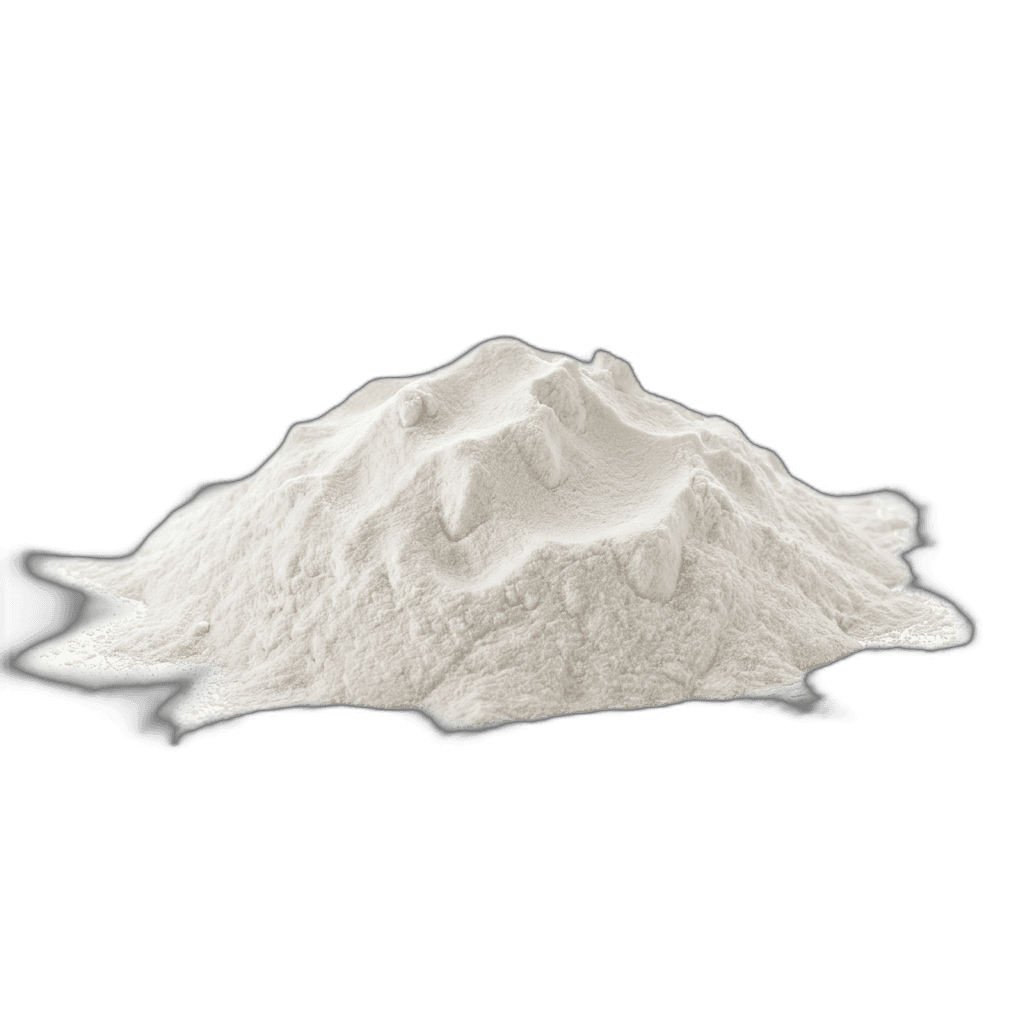
Amaranth Flour
Rajgira Atta / Ramdana
Moulue à la meule de pierre à partir d'amarante cultivée sur les versants en terrasses des collines de l'Himalaya du Kumaon et du Garhwal, en Uttarakhand, où la minuscule graine de ramdana est un aliment de base des jours de jeûne depuis des millénaires. Naturellement sans gluten, elle cuit en une mie moelleuse, légèrement maltée, au goût de noisette profond et terreux. Façonnez-la en rajgira parathas et en ladoos, incorporez-la aux pâtisseries sans gluten, ou fouettez-la dans les porridges et les pancakes pour un apport riche en protéines.
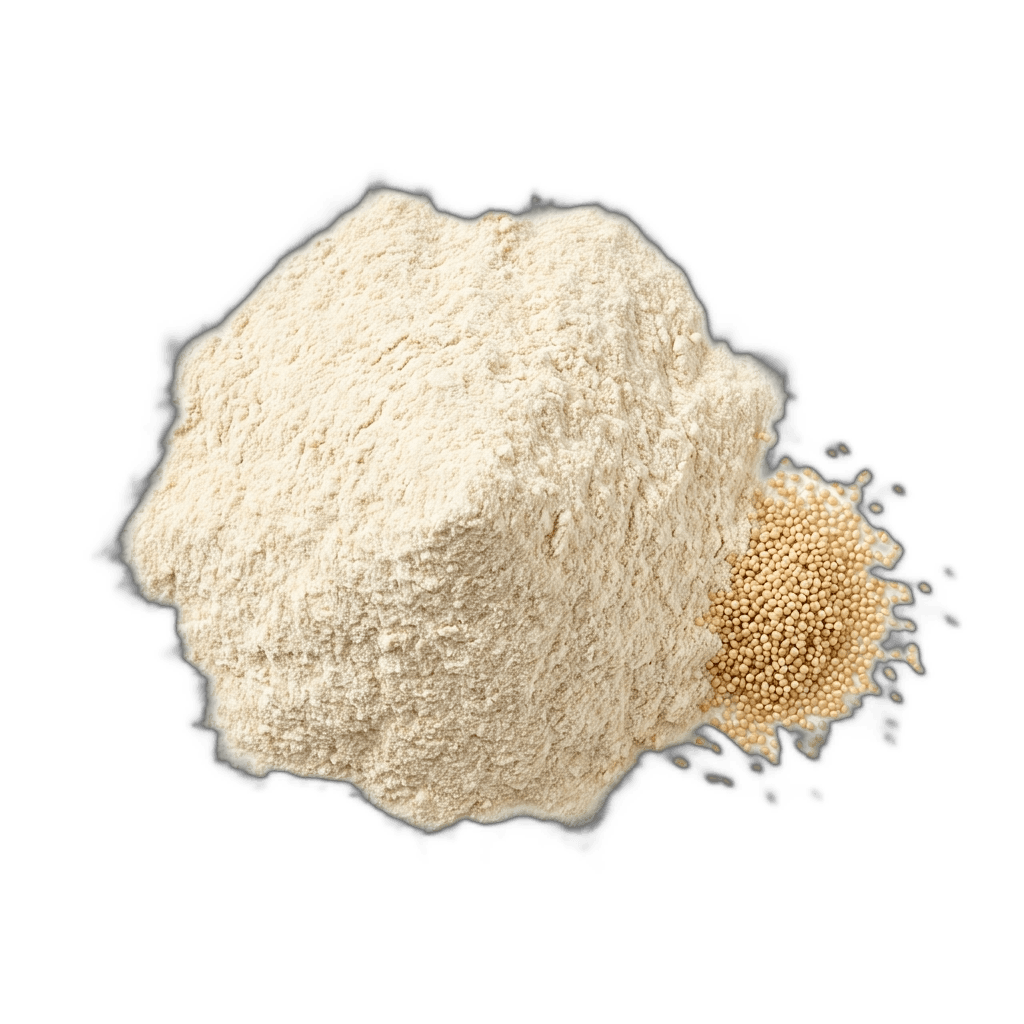
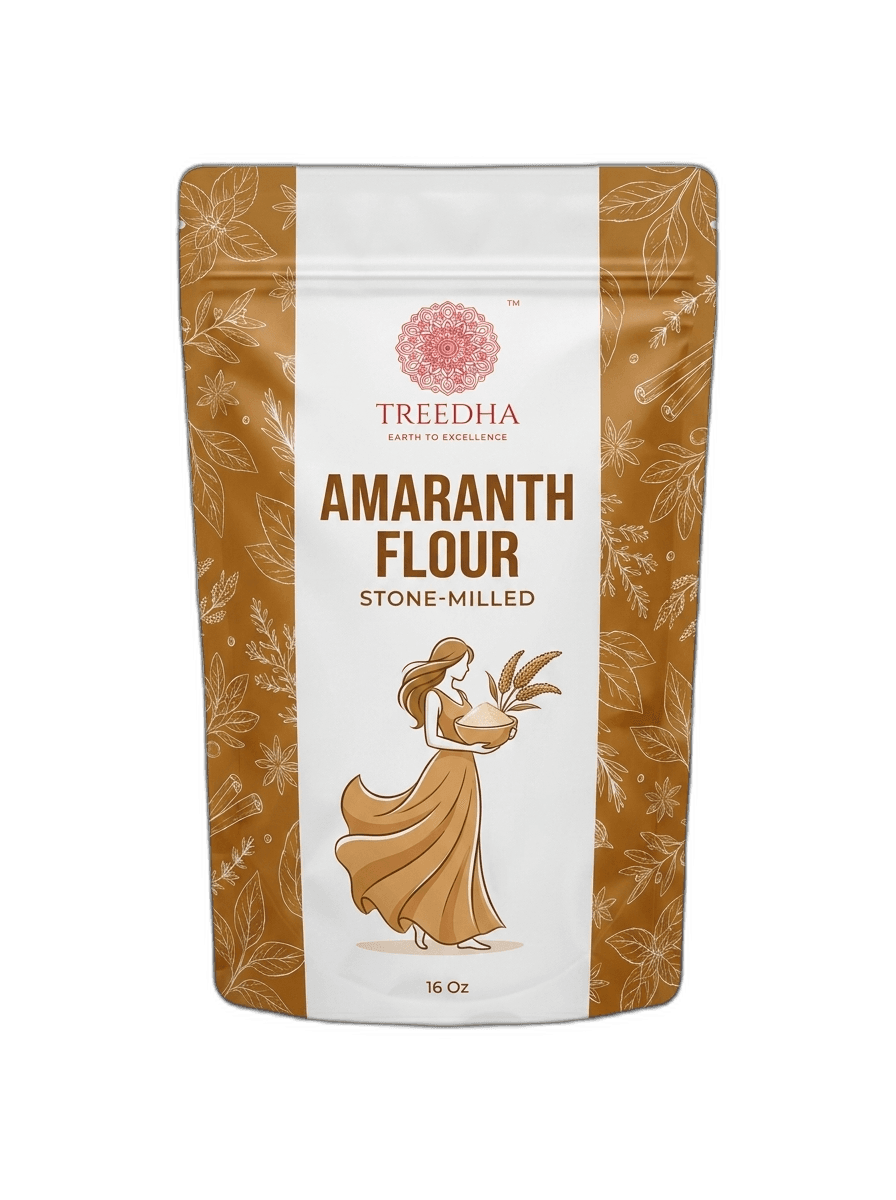
Scellé à pleine maturité, expédié avec sa provenance.
Conditionné dans des sachets refermables de qualité alimentaire qui préservent l'arôme et la couleur — chacun étiqueté avec son origine, son grade et son profil gustatif.
- Inde - Himalaya de l'Uttarakhand
- Amarante en grain cultivée en altitude, mono-origine
- Farine fine moulue à la meule de pierre
- Riche en protéines et en lysine
- Mono-grain, naturellement sans gluten - testée en laboratoire
- 10-12 mois à température ambiante, scellée
Également appelé · Rajgira Flour · Ramdana Flour · Amaranthus · Amarante
Comment l'utiliser
Rajgira parathas, thalipeeth et pains des jours de jeûne
Mélanges de pâtisserie sans gluten pour gâteaux et biscuits
Ladoos énergétiques, chikki et barres protéinées
Épaississement et enrichissement des porridges et des soupes
Pancakes, gaufres et pâtes à petit-déjeuner
Amaranth Flour (Rajgira Atta / Ramdana) is a naturally gluten-free, nutrient-dense ancient grain flour sourced from the Kumaon & Garhwal Himalaya, India. Esteemed for its complete protein and unique applications, it is an increasingly sought-after ingredient in health-conscious food markets worldwide.
Sourcing & Origin
Treedha's Amaranth Flour, also known as Rajgira Atta or Ramdana, originates from the pristine high-altitude regions of Kumaon and Garhwal Himalaya in Uttarakhand, India. Cultivated at elevations between 1,200 and 2,200 metres, this single-origin grain benefits from the unique agro-climatic conditions of the Indian Himalayas, contributing to its distinct nutritional profile and purity. The cooler temperatures and specific soil compositions of these hill tracts foster a robust grain amaranth.
Our sourcing focus on this specific region provides bulk buyers with traceability and assurance of origin, a key differentiator in the global market. The practice of hill-grown cultivation, often by smallholder farmers, also supports sustainable agricultural methods. This provenance ensures that each batch of Amaranth Flour maintains consistent quality, vital for product formulation and label integrity for international food manufacturers and distributors.
Export Grades & Specifications
Treedha supplies hill-grown grain amaranth, stone-milled to a fine flour, ensuring a consistent and high-quality product for the bulk trade. Key specifications are meticulously managed to meet international buyer requirements. Our Amaranth Flour (Rajgira Flour) is naturally gluten-free, with lab-tested purity at 0 ppm, making it suitable for certified gluten-free applications.
Moisture content is rigorously controlled, typically maintained below 10% for optimal stability during long-distance sea shipments and to prevent spoilage, though specifications up to 12% can be met. The protein content averages between 13-16%, notably higher than many cereal grains, with excellent lysine levels. Granulation is fine, tailored for diverse applications from baking to nutrient fortification. Foreign matter is minimised to ≤ 0.3% through Sortex cleaning, resulting in a uniform creamy-white to light grey colour. Traceability and adherence to these stringent specifications are guaranteed through our comprehensive quality control protocols.
| Specification | Treedha Amaranth Flour Grade |
|---|---|
| Origin | India - Uttarakhand Himalaya |
| Grade | Hill-grown grain amaranth, single-origin |
| Form | Fine stone-milled flour |
| Purity | Single-grain, naturally gluten-free (lab-tested 0 ppm); Foreign matter ≤ 0.3% |
| Moisture Content | ≤ 10% (for export stability) |
| Protein Content | 13% - 16% |
| Fat Content | ~7% |
| Fibre Content | 6.7% - 10.5% |
| Lysine | Excellent source |
| Colour | Creamy-white to light grey |
| Shelf Life | 10-12 months ambient, sealed |
Quality, Safety & Compliance
Treedha prioritises stringent quality and safety protocols for all exports, ensuring our Amaranth Flour (Amaranthus) meets the demanding regulatory standards of global markets. Our products are steam-sterilised and guaranteed Ethylene Oxide (ETO)-free, aligning with the EU's prohibition of ETO in foodstuffs since 1991. We prevent cross-contamination by testing raw materials and finished goods, providing peace of mind to European importers concerning MRLs (Maximum Residue Levels) for ETO and its metabolite 2-chloroethanol (2-CE) as per Commission Regulation (EU) 2015/868.
Compliance with EU Commission Regulation (EU) 2023/915 (replacing 1881/2006) for aflatoxins and other mycotoxins is meticulously upheld. For the US market, we adhere to FDA guidelines, ensuring products are safe and sanitary, with import enforcement for illegal pesticides being a key focus. Our Amaranth Flour undergoes comprehensive lab testing for heavy metals (lead, cadmium, mercury, arsenic) to meet both EU Commission Regulation (EU) 2023/915 and US safety standards. Furthermore, we guarantee the absence of Sudan dyes, which are strictly prohibited globally. Importantly, our internal processes are designed to mitigate microbiological risks, with rigorous testing to ensure products are free from Salmonella, a critical concern for raw flours in both EU and US markets (EU Regulation (EC) No 2073/2005 on microbiological criteria; FDA warnings for raw flour). Full Certificates of Analysis (COA) are provided with every shipment, documenting our compliance.
Global Demand & Target Markets
The global demand for Amaranth Flour (Ramdana Flour) is experiencing consistent growth, primarily driven by evolving consumer preferences for nutrient-dense, gluten-free, and plant-based food ingredients. As an 'ancient grain,' Amaranth appeals to the clean-label food movement and the increasing interest in functional foods across North America and Europe. The United States and Canada are significant import destinations, particularly for organic Amaranth Flour from India, catering to health food retail and the expanding gluten-free bakery sector.
In Europe, key markets include Germany, the Netherlands (a major redistribution hub), and the UK, where strict import documentation and a preference for certified organic products shape demand. Beyond these, countries across Asia Pacific (e.g., Thailand, Australia, Japan) and the Middle East (e.g., UAE, Saudi Arabia) show rising interest in Amaranth products for diverse food applications. The flour's versatility, complete protein profile, and high lysine content position it as a valuable ingredient for manufacturers developing multigrain baking mixes, snacks, breakfast cereals, and plant-based protein alternatives, ensuring sustained demand across these diverse target markets.
Logistics, HS Code & Packing
For international bulk trade, Amaranth Flour (Amarante) is typically shipped under Harmonized System (HS) codes 11029090 (Other flours of cereals, excluding wheat or meslin) or 11063090 (Flours, meals and powder of sago, roots or tubers of heading 0714 or of the products of Chapter 8, other). These codes facilitate customs clearance and tariff application globally. Treedha offers flexible packing solutions to meet importer specifications. While standard retail pack sizes of 500g and 1kg are available, bulk options are tailored to customer requirements, ranging from multi-wall paper bags to larger industrial formats, ensuring product integrity during transit.
Our Minimum Order Quantity (MOQ) approach is designed for wholesale buyers and distributors, focusing on containerised shipments to optimise logistics and cost-efficiency. Specific MOQs are discussed with individual clients to align with their market needs and logistical capabilities. We facilitate various Incoterms, including FOB (Free On Board) from Indian ports, and CIF (Cost, Insurance, and Freight) to destination ports, providing comprehensive logistical support. With a shelf life of 10-12 months when stored ambient and sealed, our Amaranth Flour is well-suited for extended supply chains, ensuring product freshness upon arrival and throughout distribution.
- tridge.com — tridge.com
- zauba.com — zauba.com
- shivaunitrade.com — shivaunitrade.com
- indiamart.com — indiamart.com
- fda.gov — fda.gov
- stileintl.com — stileintl.com
Questions
- Le rajgira atta est-il la même chose que la farine d'amarante ?
- Oui. Rajgira (aussi appelée ramdana) est le nom indien de l'amarante, donc le rajgira atta et la farine d'amarante désignent la même céréale moulue. C'est une farine traditionnelle de vrat (jeûne) dans toute l'Inde.
- La farine d'amarante est-elle sans gluten ?
- Oui, l'amarante est une pseudo-céréale naturellement sans gluten. Elle est également riche en protéines et en lysine, ce qui en fait un choix de céréale ancienne prisé pour la pâtisserie sans gluten.
- Pourquoi la farine d'amarante a-t-elle un goût terreux ?
- Ce caractère profond, malté et de noisette est naturel à la céréale. Elle se marie à merveille avec le jaggery, le ghee et les épices chaudes, et se mélange bien à des farines plus douces si vous préférez une saveur plus délicate dans vos pâtisseries.
- What is Amaranth Flour (Rajgira Atta)?
- Amaranth Flour, also known as Rajgira Atta or Ramdana, is a naturally gluten-free flour milled from the seeds of the amaranth plant. It's an ancient grain celebrated for its high protein content, including essential amino acid lysine, and is widely used in gluten-free baking and other health-focused food applications.
- Where does Treedha source its Amaranth Flour?
- Treedha's Amaranth Flour is sourced from the Kumaon and Garhwal Himalayan regions of Uttarakhand, India. This specific origin, at high altitudes (1,200-2,200 m), contributes to the unique quality and purity of our hill-grown grain amaranth.
- Is Treedha's Amaranth Flour compliant with EU and US import regulations?
- Yes, our Amaranth Flour (Rajgira Flour) is steam-sterilised and ETO-free, with rigorous lab testing for MRLs, aflatoxins, heavy metals, and absence of Salmonella and Sudan dyes, ensuring compliance with both EU (e.g., Regulation (EU) 2023/915) and US FDA import requirements.
- What are the typical specifications for Treedha's bulk Amaranth Flour?
- Our Amaranth Flour is a fine stone-milled powder, single-grain purity, lab-tested gluten-free (0 ppm), with moisture content typically ≤ 10%, and a protein content ranging from 13% to 16%. Foreign matter is ≤ 0.3%.
- What HS Codes are used for Amaranth Flour exports from India?
- The primary Harmonized System (HS) codes for Amaranth Flour (Ramdana Flour) in international trade are typically 11029090 (Other flours of cereals) and 11063090 (Flours, meals and powder of sago, roots or tubers or Chapter 8 products).
- Can Treedha supply organic or private-label Amaranth Flour?
- Treedha offers certified organic options and provides private-label solutions for bulk Amaranth Flour, tailored to meet specific buyer requirements for branding and market positioning. Our certifications include APEDA, FSSAI, and ISO 22000, among others.