Pink Rock Salt
Sendha Namak
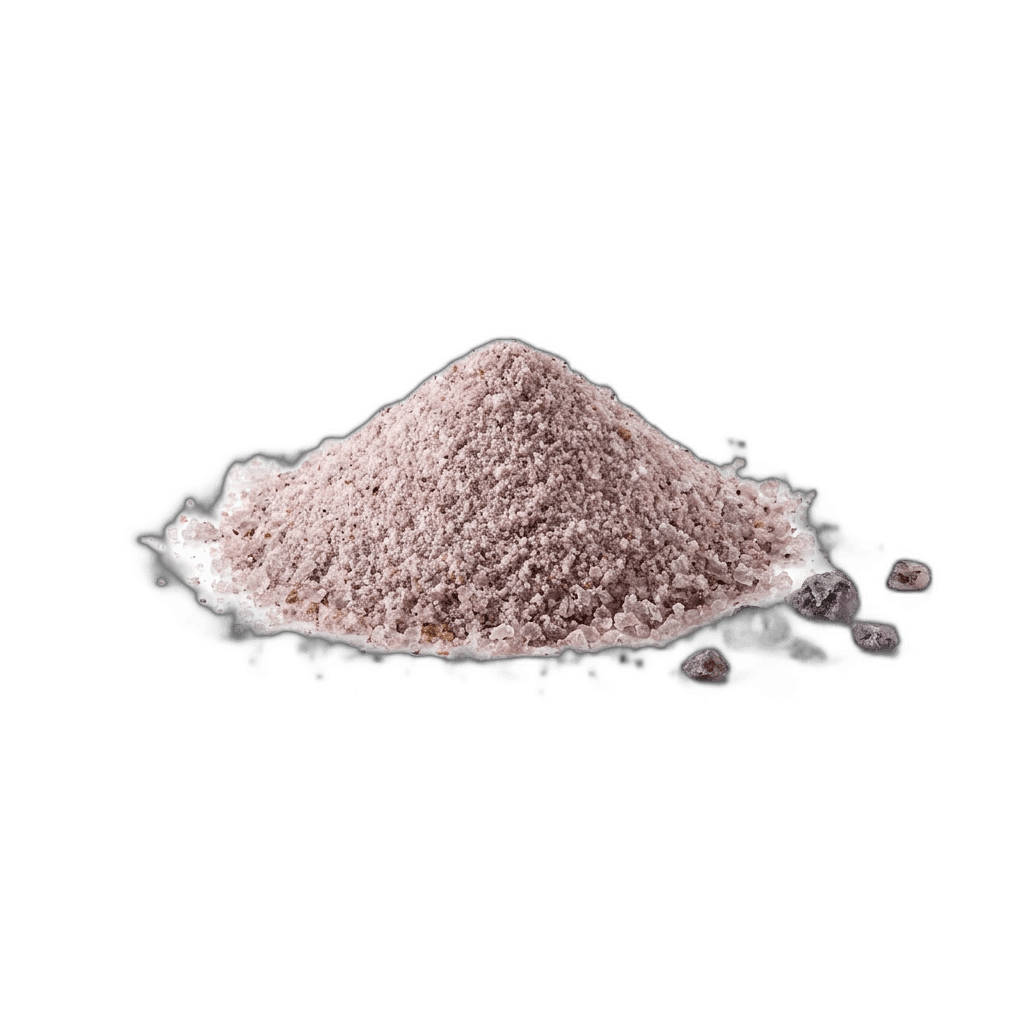
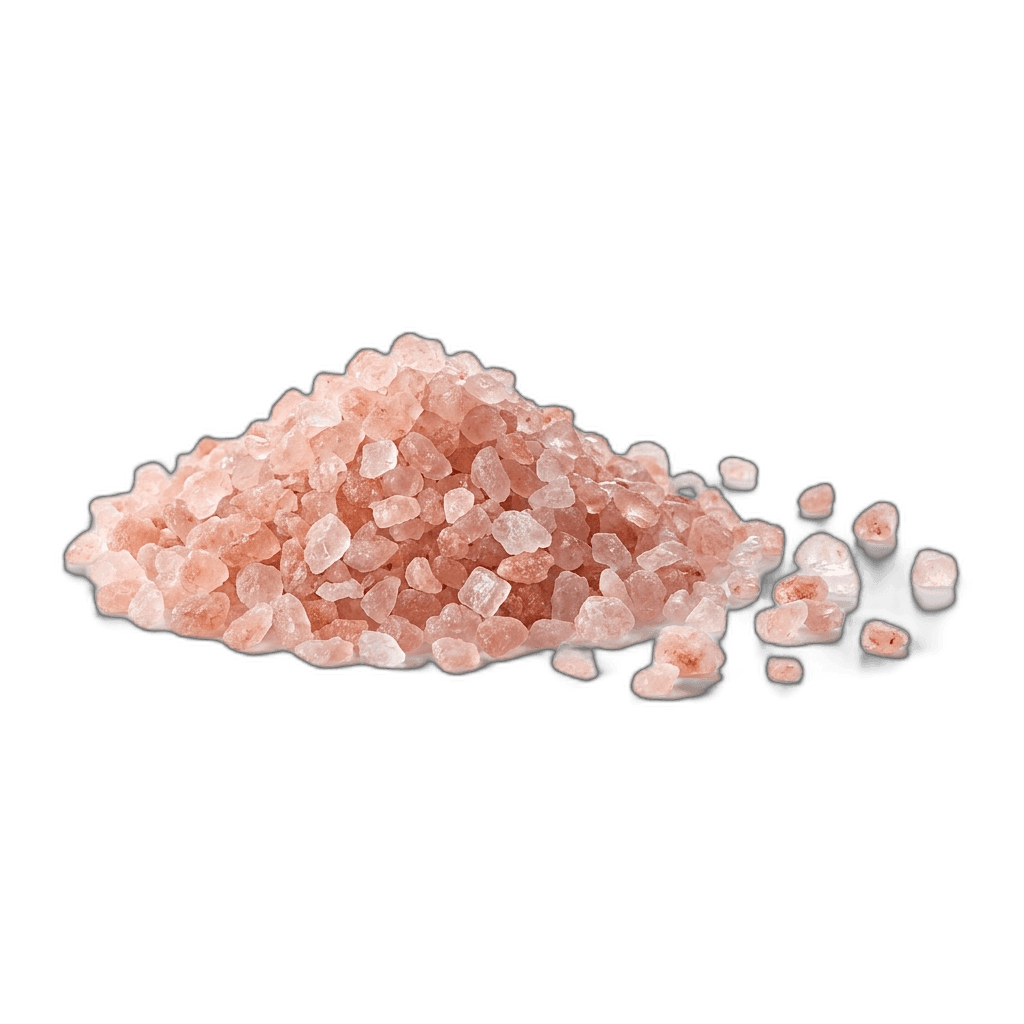
Estratto come halite cristallina dagli antichissimi giacimenti di evaporite lungo la Salt Range sub-himalayana, questo sale di roccia porta un tenue rossore rosato dal suo contenuto in tracce di ferro e minerali. Pulito e delicatamente minerale al palato, si macina in cristalli a scaglie che rifiniscono i piatti con una sapidità rotonda e meno aggressiva rispetto al sale da tavola raffinato. Usalo al macinino per il condimento di tutti i giorni, come sale per rifinire, o nella cucina del digiuno e ayurvedica dove il sendha namak è tradizionale.
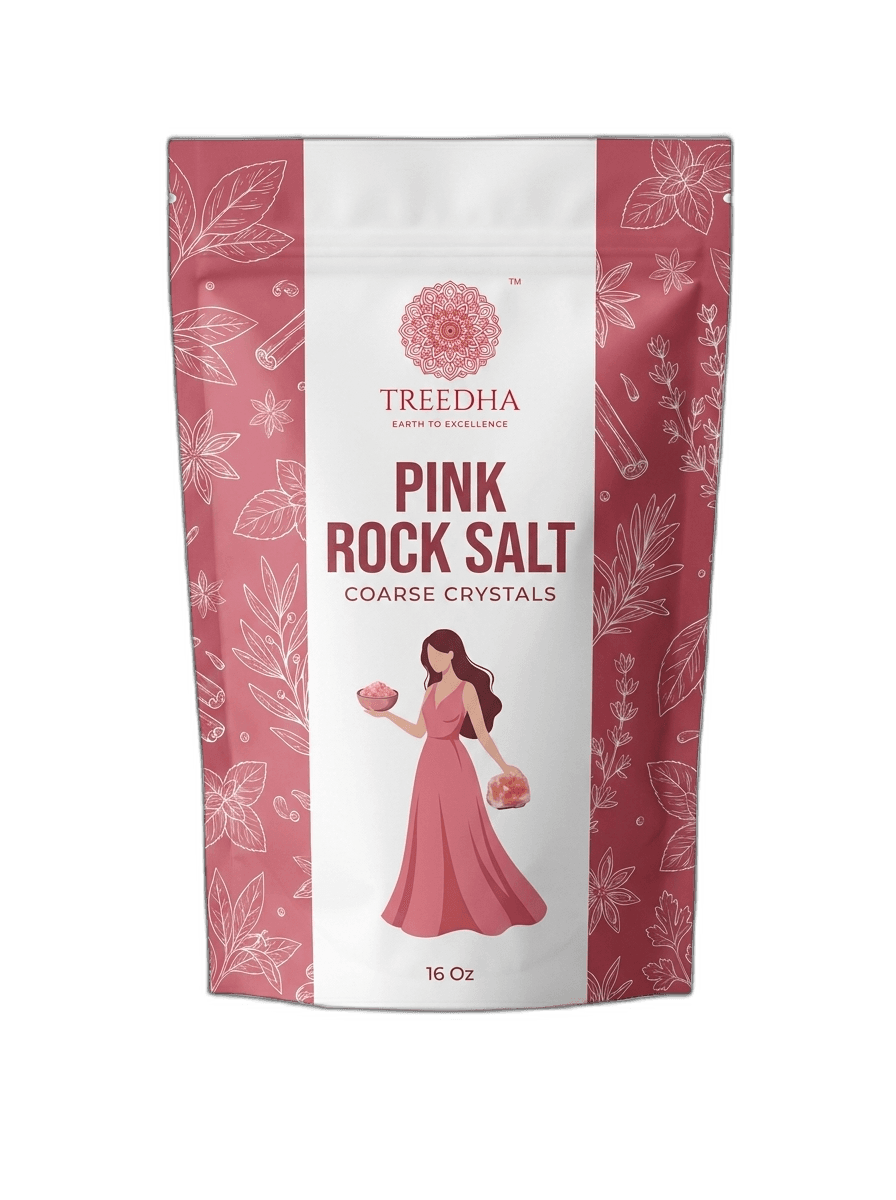
Sigillato al massimo della freschezza, spedito con la sua provenienza.
Confezionato in buste richiudibili per uso alimentare che trattengono aroma e colore — ciascuna etichettata con origine, qualità e profilo aromatico.
- India · fascia della Salt Range sub-himalayana
- Cristallo grosso di grado alimentare
- Estratto · non raffinato · selezionato a mano
- 98%+ NaCl con minerali naturali in tracce
- Filtrato dai sedimenti · testato in laboratorio · senza agenti antiagglomeranti
- Indefinita se tenuto all'asciutto e a temperatura ambiente
Conosciuto anche come · Lahori Namak · Halite · FR: Sel Gemme
Come utilizzarlo
Condimento quotidiano al mulino o al macinino
Sale per rifinire su insalate, grigliate e arrosti
Cucina del digiuno (vrat) e ayurvedica
Salamoie, conserve sottaceto e fermentati
Bagni rilassanti e presentazione a tavola
Pink Rock Salt (Sendha Namak), also known as Halite or Sel Gemme, is a naturally occurring mineral salt sourced from ancient Sub-Himalayan evaporite seams. Prized for its distinctive pink hue and natural trace mineral content, it is a key commodity for the clean-label and gourmet food sectors.
Sourcing & Origin
Treedha's Pink Rock Salt, known in India as Sendha Namak or Lahori Namak, originates from the ancient evaporite seams within India's Sub-Himalayan Salt Range belt. This geological formation yields a distinctively coarse crystal, hand-sorted and unrefined, preserving its natural mineral profile. The provenance of this salt is critical for bulk buyers seeking authenticity and a clean-label product.
The unique geological history of the Sub-Himalayan belt means that this Halite is formed from ancient marine deposits, offering a consistent mineral composition. Its unrefined nature and specific origin differentiate it in the global market, aligning with the growing consumer preference for natural and minimally processed ingredients.
Export Grades & Specifications
Treedha supplies food-grade coarse crystal Pink Rock Salt (Sendha Namak), which is carefully mined, sun-dried, and graded. Our standard offering ensures a minimum of 98%+ Sodium Chloride (NaCl) with inherent natural trace minerals, defining its characteristic flavour and colour. It is sediment-screened and lab-tested, with no added anti-caking agents.
Our specifications for bulk coarse crystal are tailored to meet rigorous international standards for purity and physical characteristics. Moisture content is maintained below a maximum of 5.00%, ensuring product stability and preventing caking during transit and storage. Granulation for coarse grain is typically 1-3mm or 2-4mm, suitable for various industrial and private-label applications. Colour can naturally vary from white to deep pink due to iron oxide. Additionally, we ensure low levels of calcium (max 0.35%), magnesium (max 0.50%), and sulphates (max 1.50%).
| Specification | Food-Grade Coarse Crystal Pink Rock Salt (Sendha Namak) |
|---|---|
| Origin | India, Sub-Himalayan Salt Range belt |
| Form | Mined, unrefined, hand-sorted |
| Sodium Chloride | 98%+ NaCl with natural trace minerals |
| Moisture Content | Max 5.00% |
| Granulation | Coarse Grain (1-3mm or 2-4mm) |
| Purity | Sediment-screened, lab-tested, no anti-caking agents |
| Shelf Life | Indefinite (when kept dry and ambient) |
Quality, Safety & Compliance
Treedha ensures that all Pink Rock Salt (Sendha Namak, Halite) exports adhere to stringent international food safety and quality standards, including both EU and US regulatory requirements. Our commitment to food safety includes comprehensive third-party lab testing for every batch.
For exports to the European Union, our Pink Rock Salt complies with Regulation (EC) 178/2002 (General Food Law) and Regulation (EC) 852/2004 (HACCP certification). Critical contaminant limits are met as per Regulation (EU) 2023/915 for heavy metals: Lead (max 0.02 mg/kg), Cadmium (max 0.5 mg/kg), Arsenic (max 0.1 mg/kg), and Mercury (max 0.05 mg/kg). We also provide assurances that our products are Ethylene Oxide (ETO)-free, and comply with EU-specific Maximum Residue Limits (MRLs) for pesticides, as well as being free from Salmonella and Sudan dyes, backed by an ISO/IEC 17025-accredited Certificate of Analysis (COA).
For the United States market, our Pink Rock Salt complies with the Federal Food, Drug, and Cosmetic Act (FDA) guidelines, and is considered a Generally Recognized As Safe (GRAS) substance. While salt is exempt from allergen declarations under FALCPA, we provide COAs confirming purity, moisture content, and heavy metal levels to FDA import standards. We can also provide third-party reports for compliance with California Proposition 65 requirements.
Global Demand & Target Markets
Global demand for Pink Rock Salt (Sendha Namak, Sel Gemme) is robust, primarily driven by evolving consumer preferences for natural, clean-label, and chemical-free food products. Health and wellness trends, particularly among millennials, fuel its appeal due to perceived benefits from its trace mineral content, including magnesium and potassium.
North America, especially the United States, is a dominant importer, accounting for a significant portion of global consumption. The European Union, with Germany leading, followed by France, the Netherlands, and Italy, also shows consistent growth. The Asia-Pacific region, particularly China, is an emerging market with growing demand. Beyond culinary uses in gourmet and ethnic cuisines, Pink Rock Salt's applications extend to wellness sectors like spa therapies and halotherapy, further diversifying its market appeal.
Logistics, HS Code & Packing
For bulk exports of Pink Rock Salt (Sendha Namak, Halite), Treedha utilises the global Harmonized System (HS) Code 2501.00, which encompasses various types of salt, including rock salt. Within India, more specific classifications such as 25010020 for Rock Salt are applicable.
We offer a range of bulk packing options tailored to importer requirements. These typically include 25kg PP woven bags, 50kg sacks, and 1,000-1,500kg FIBC jumbo bags, ensuring efficient and secure transport. Our Minimum Order Quantity (MOQ) approach is flexible, determined by specific product and destination requirements to facilitate efficient logistics for our B2B partners. Treedha offers competitive Incoterms such as FOB (Free On Board) and CIF (Cost, Insurance, and Freight). When stored in dry, ambient conditions, Pink Rock Salt has an indefinite shelf life, maintaining its quality over extended periods.
- sobaansalts.com — sobaansalts.com
- deepbeez.com — deepbeez.com
- vakilsearch.com — vakilsearch.com
- dripcapital.com — dripcapital.com
- zauba.com — zauba.com
- volza.com — volza.com
Domande
- Il sendha namak è lo stesso del sale rosa di roccia?
- Sì. Sendha namak è il nome indiano del sale di roccia estratto (halite), e la varietà dalla tinta rosata della fascia della Salt Range è ciò che viene venduto a livello internazionale come sale rosa di roccia. Il colore deriva da minerali naturali in tracce e non da alcun additivo.
- In che cosa il sale di roccia è diverso dal sale da tavola raffinato?
- Il sale di roccia è estratto e lasciato non raffinato, quindi conserva minerali naturali in tracce e una sapidità più morbida e rotonda. Il sale da tavola è fortemente lavorato e di solito contiene agenti antiagglomeranti e iodio aggiunto, dando un gusto più aggressivo e piatto.
- Perché viene usato durante il digiuno?
- In molte tradizioni indiane, il sendha namak non lavorato è consentito nei giorni di digiuno, quando il sale comune viene evitato, motivo per cui è la scelta consueta per la cucina vrat.
- What is Pink Rock Salt (Sendha Namak)?
- Pink Rock Salt, known as Sendha Namak or Halite, is a naturally occurring mineral salt mined from ancient Sub-Himalayan evaporite seams in India. It is valued for its unrefined nature, distinctive pink colour, and natural trace mineral content.
- What are the primary export grades of Pink Rock Salt?
- Treedha primarily exports food-grade coarse crystal Pink Rock Salt. This grade is hand-sorted, unrefined, and typically ranges from 1-3mm or 2-4mm in granulation, with a sodium chloride purity of 98% or higher.
- How does Treedha ensure compliance for EU and US imports?
- We ensure compliance by adhering to EU regulations (e.g., EC 178/2002, EC 852/2004, EU 2023/915 for heavy metals) and US FDA guidelines. All batches are ETO-free, tested for contaminants like heavy metals and mycotoxins, and accompanied by ISO/IEC 17025-accredited Certificates of Analysis (COAs).
- What is the HS Code for Pink Rock Salt?
- Pink Rock Salt (Sendha Namak, Halite) is generally classified under the international HS Code 2501.00. More specific Indian HS codes include 25010020 for Rock Salt.
- What packaging options are available for bulk Pink Rock Salt?
- Treedha offers bulk packaging solutions including 25kg PP woven bags, 50kg sacks, and 1,000-1,500kg FIBC jumbo bags to meet diverse importer needs for safe and efficient transport.
- Can Treedha provide samples and COAs for Pink Rock Salt?
- Yes, Treedha can provide samples of our Pink Rock Salt (Sendha Namak) for evaluation, along with comprehensive Certificates of Analysis (COAs) for each batch to confirm purity, moisture, granulation, and compliance with international food safety standards.