Hibiscus Tea
Gudhal
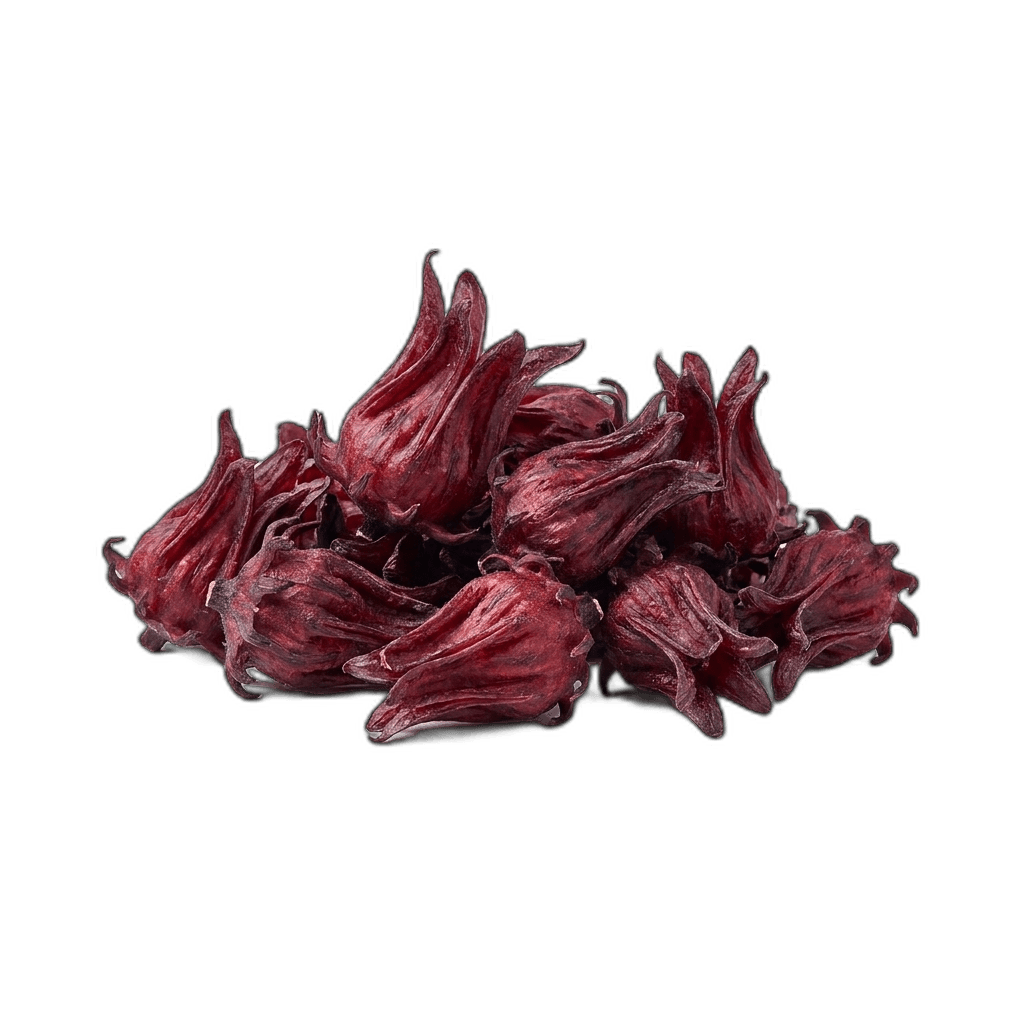
Cálices de um carmim profundo da flor de roselha, colhidos à mão e secos ao sol pelas cinturas quentes de cultivo da Índia. Naturalmente sem cafeína, a infusão dá um vermelho rubi vivo com um toque ácido e luminoso de arando e um final floral limpo. Infunda quente como uma reconfortante chávena de fim de tarde, ou refresque na agua fresca de estilo mexicano conhecida como flor de jamaica.
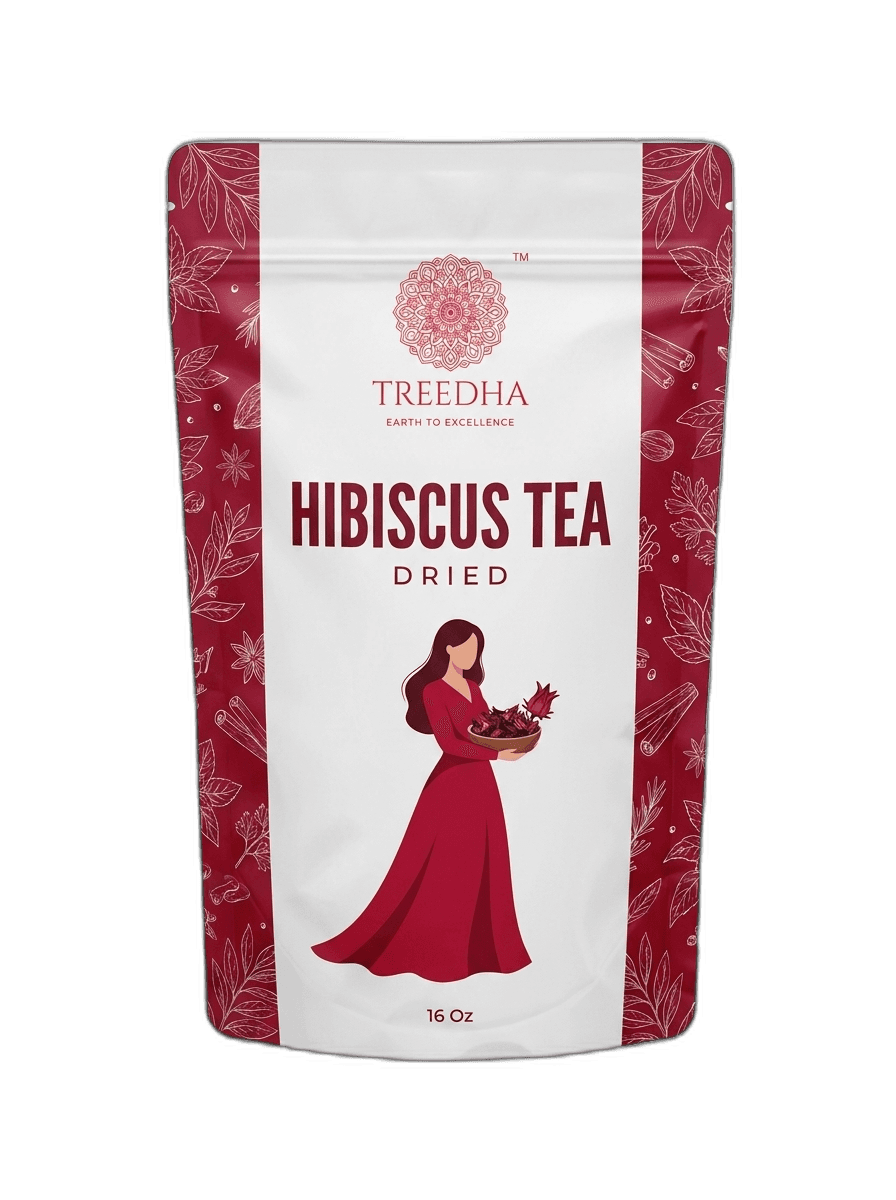
Selado no auge, expedido com proveniência.
Embalado em saquetas reutilizáveis, de qualidade alimentar, que preservam o aroma e a cor — cada uma identificada com a sua origem, grau e perfil de sabor.
- Índia
- Cálice de roselha seco inteiro
- Cálice solto seco ao sol
- Naturalmente sem cafeína
- Esterilizado a vapor · sem ETO · testado em laboratório
- 1-2 anos, selado à temperatura ambiente
Também conhecido como · Roselle · Flor de Jamaica · Karkade · Hibiscus sabdariffa
Como utilizar
Infusão de ervas quente e sem cafeína
Chá de hibisco gelado e agua fresca de jamaica
Misturar com fruto da roseira-brava, hortelã ou gengibre
Bebidas concentradas, xaropes e bases de cocktail
Cor carmim natural para bebidas refrescantes
Hibiscus Tea (Gudhal), also known as Roselle, Flor de Jamaica, or Karkade, is a sought-after herbal infusion derived from the dried calyces of *Hibiscus sabdariffa*. Valued for its vibrant colour and tart flavour, it serves diverse applications in beverages, food colourants, and wellness products globally.
Sourcing & Origin
Treedha's Hibiscus Tea (Gudhal) is sourced from the fertile Ganges delta and southern growing belts of India. These regions offer ideal climatic conditions for cultivating Hibiscus sabdariffa, ensuring a consistent supply of high-quality calyces.
The careful selection of specific Indian origins is crucial for bulk buyers, as it guarantees a product with consistent flavour profiles and vibrant colour intensity. Our growers employ traditional, sustainable practices, cultivating the Roselle plants with attention to detail that is reflected in the final dried calyx quality.
Export Grades & Specifications
Treedha offers premium tea-grade, whole dried hibiscus calyx, meticulously processed to meet exacting international standards. Our Gudhal undergoes hand-picking, careful removal of the seed capsule, and traditional sun-drying, preserving its natural attributes.
Key specifications for our premium grade focus on purity, moisture content, and vibrant colour value, indicative of high anthocyanin levels. We ensure the product is free from foreign matter, adhering to stringent limits essential for global food and beverage applications.
| Specification | Premium Tea Grade (Whole Dried Calyx) |
|---|---|
| Purity | min. 99% |
| Moisture Content | max. 10% |
| Colour Value (Anthocyanins) | ≥ 1.5% (as cyanidin-3-glucoside) |
| Foreign Matter | max. 1% |
| Total Ash | max. 10% |
| Odour & Taste | Characteristic, tangy, no off-notes |
Quality, Safety & Compliance
Treedha prioritises uncompromising quality and food safety, ensuring our Hibiscus Tea (Gudhal) complies with the most stringent international import regulations. Our processing adheres to strict protocols, guaranteeing an ethylene-oxide (EtO)-free product, a critical requirement for markets like the EU, where any detection is prohibited (EU limit of quantification 0.1 ppm for EtO and 2-chloroethanol).
All consignments are lab-tested to meet EU and US limits for maximum residue levels (MRLs) for pesticides, heavy metals, and mycotoxins, including aflatoxins. We ensure microbiological standards are met, with a common specification of 'Salmonella: Negative'. Comprehensive Certificates of Analysis (COA) are provided, detailing anthocyanin content, pesticide analysis, and microbiological results, alongside mandatory Phytosanitary Certificates issued by the National Plant Protection Organisation of India.
Global Demand & Target Markets
Global demand for Hibiscus Tea (Gudhal), known as Roselle, Flor de Jamaica, or Karkade, is robust and expanding. Key importing regions include Mexico, Germany, the United States, China, Japan, the wider EU, and North America, all seeking high-quality, certified bulk ingredients.
Demand is primarily driven by growing health and wellness trends, with consumers valuing hibiscus for its natural health benefits, rich antioxidant content, and appealing vibrant crimson hue. Its versatility as an herbal infusion, natural food colourant, and ingredient in wellness products, cosmetics, and dietary supplements further fuels its market growth.
Logistics, HS Code & Packing
The primary Harmonised System (HS) code for dried hibiscus calyces in international trade is 1211.90. For India-specific exports, subheadings like 12119029 (Dried Hibiscus Flower) or 12119099 (Powder and Petals) may also apply.
Treedha offers flexible bulk packing solutions designed for secure international transit and extended shelf life. Our whole dried calyx is supplied in durable, multi-wall paper bags or food-grade bulk bags, typically ranging from 5 kg to 25 kg, equipped with internal moisture barriers to protect against hygroscopic degradation. While specific minimum order quantities (MOQ) are discussed per inquiry to accommodate diverse buyer needs, our approach is designed to facilitate efficient bulk procurement. We operate on standard Incoterms, and our Hibiscus Tea boasts a shelf life of 1-2 years when stored in ambient, sealed conditions.
- tridge.com — tridge.com
- cbi.eu — cbi.eu
- falconherbs.org — falconherbs.org
- freightamigo.com — freightamigo.com
- go4worldbusiness.com — go4worldbusiness.com
- zauba.com — zauba.com
Questões
- O gudhal é o mesmo que chá de hibisco?
- Sim. Gudhal é o nome indiano da flor de hibisco; são os cálices secos da variedade roselha (Hibiscus sabdariffa) que se infundem em chá de hibisco, também chamado flor de jamaica ou karkade.
- O chá de hibisco contém cafeína?
- Não. É uma infusão de ervas feita a partir de cálices da flor, e não de folhas de chá, pelo que é naturalmente sem cafeína e adequado a qualquer hora do dia.
- Porque é que a infusão é tão vermelha e ácida?
- Os cálices são ricos em antocianinas naturais e ácidos de fruta, que conferem à infusão a sua característica cor rubi e o seu acidulado luminoso semelhante ao do arando.
- What is Hibiscus Tea (Gudhal) primarily used for in the bulk trade?
- Hibiscus Tea (Gudhal), also known as Roselle or Flor de Jamaica, is primarily used in the bulk trade as an herbal infusion for beverages, a natural food colourant in various applications, and an ingredient in wellness products, cosmetics, and dietary supplements.
- How does Treedha ensure the absence of Ethylene Oxide (EtO) in its Hibiscus Tea?
- Treedha ensures the absence of Ethylene Oxide (EtO) by implementing stringent, ETO-free processing methods and conducting rigorous lab testing on all batches. This guarantees compliance with strict import regulations, particularly for markets like the EU where EtO is prohibited.
- What are the key quality specifications for Treedha's bulk Hibiscus Tea?
- Key quality specifications for Treedha's bulk Hibiscus Tea (Gudhal) include a minimum of 99% purity, maximum 10% moisture content, a vibrant colour value with at least 1.5% anthocyanins, and minimal foreign matter, along with adherence to strict microbiological standards.
- Which international markets have high demand for bulk Hibiscus Tea?
- Major international markets with high demand for bulk Hibiscus Tea include Mexico, Germany, the United States, China, Japan, the broader European Union, and North America, driven by health trends and its versatility.
- What documentation does Treedha provide with bulk Hibiscus Tea shipments?
- Treedha provides essential documentation with bulk Hibiscus Tea shipments, including a Phytosanitary Certificate from the Indian Ministry of Agriculture, a comprehensive Certificate of Analysis (COA) detailing quality and lab test results, commercial invoice, packing list, and Certificate of Origin.
- Is Treedha's Hibiscus Tea (Gudhal) supplied as whole dried calyx?
- Yes, Treedha's Hibiscus Tea (Gudhal) is supplied as premium tea-grade, whole dried calyx. This form is ideal for various bulk applications, preserving the plant's natural colour and flavour.