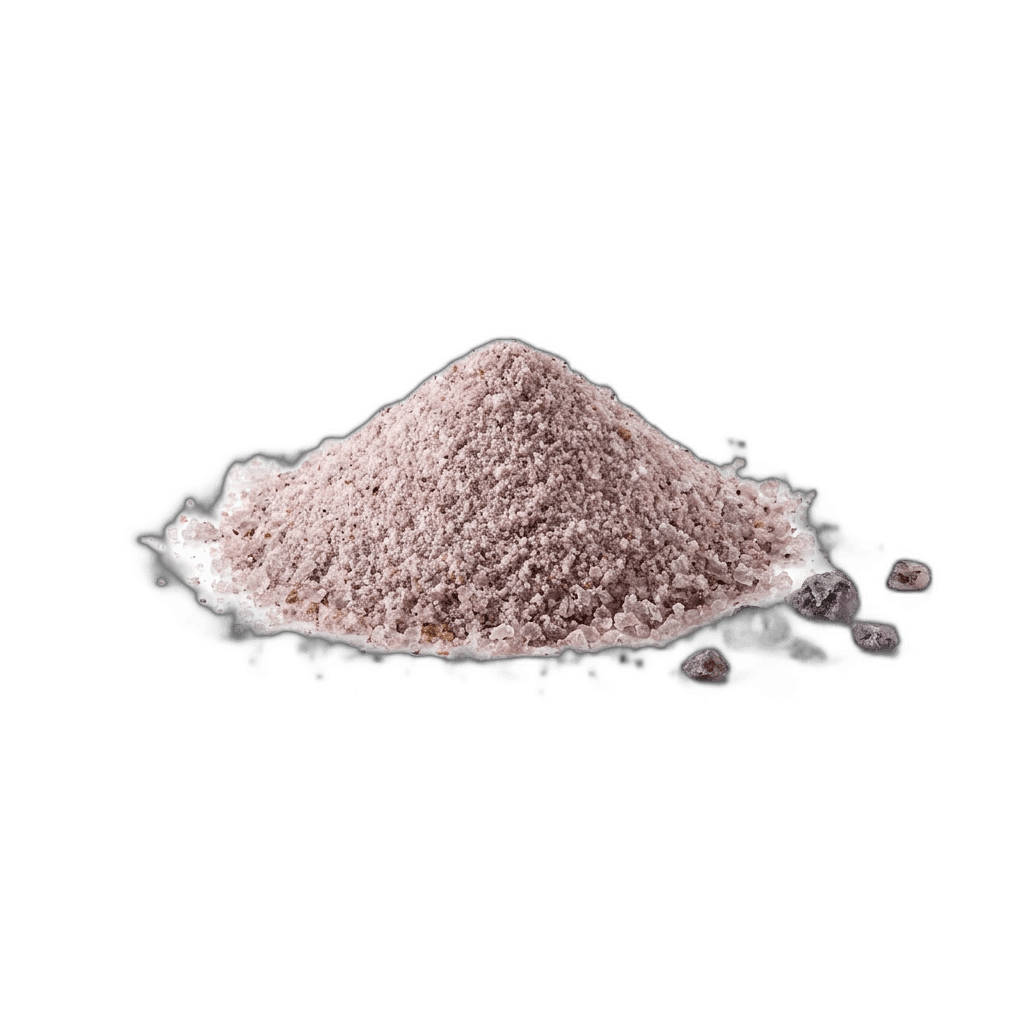
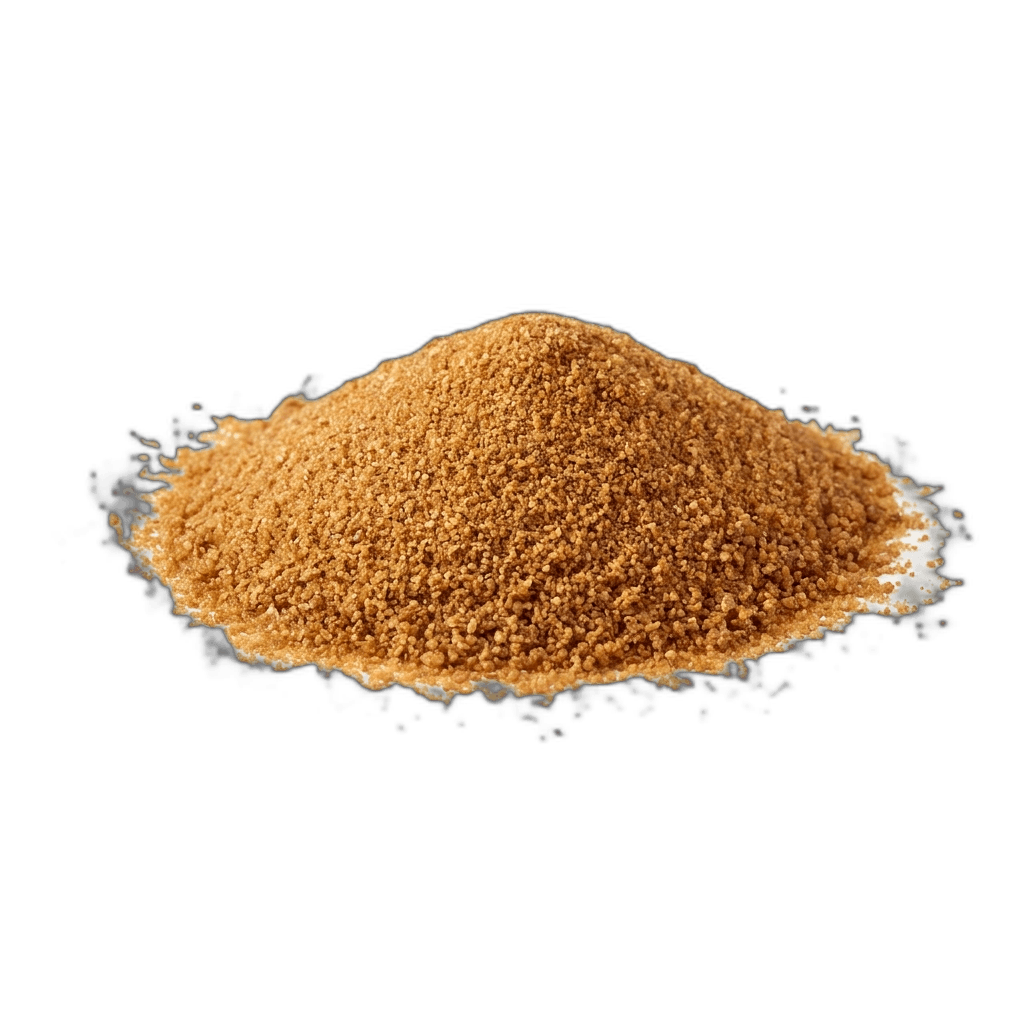
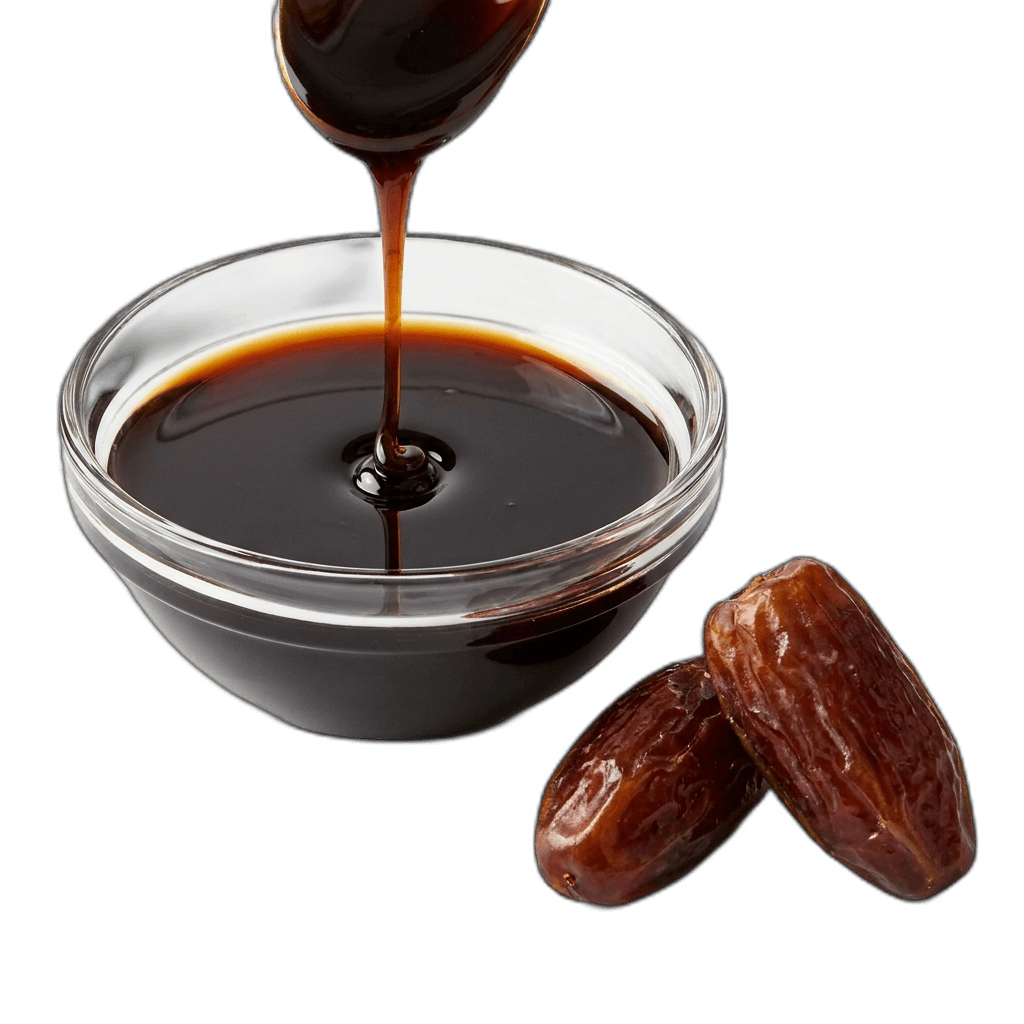
Jaggery
Gur / Gud
Pressé et lentement bouilli à partir de canne à sucre mûre dans la ceinture de Kolhapur au Maharashtra, le cœur du jaggery reconnu par IG en Inde, c'est du sucre dans sa forme honnête et non raffinée. Clarifié et réduit en cuves ouvertes sans blanchiment ni additifs, il prend en un bloc doré-rougeâtre portant caramel, mélasse et une légère chaleur minérale. Râpez-le sur le porridge, faites-le fondre dans le chai et les sucreries, ou utilisez-le bloc pour bloc partout où vous voulez une profondeur que le sucre blanc ne peut tout simplement pas donner.
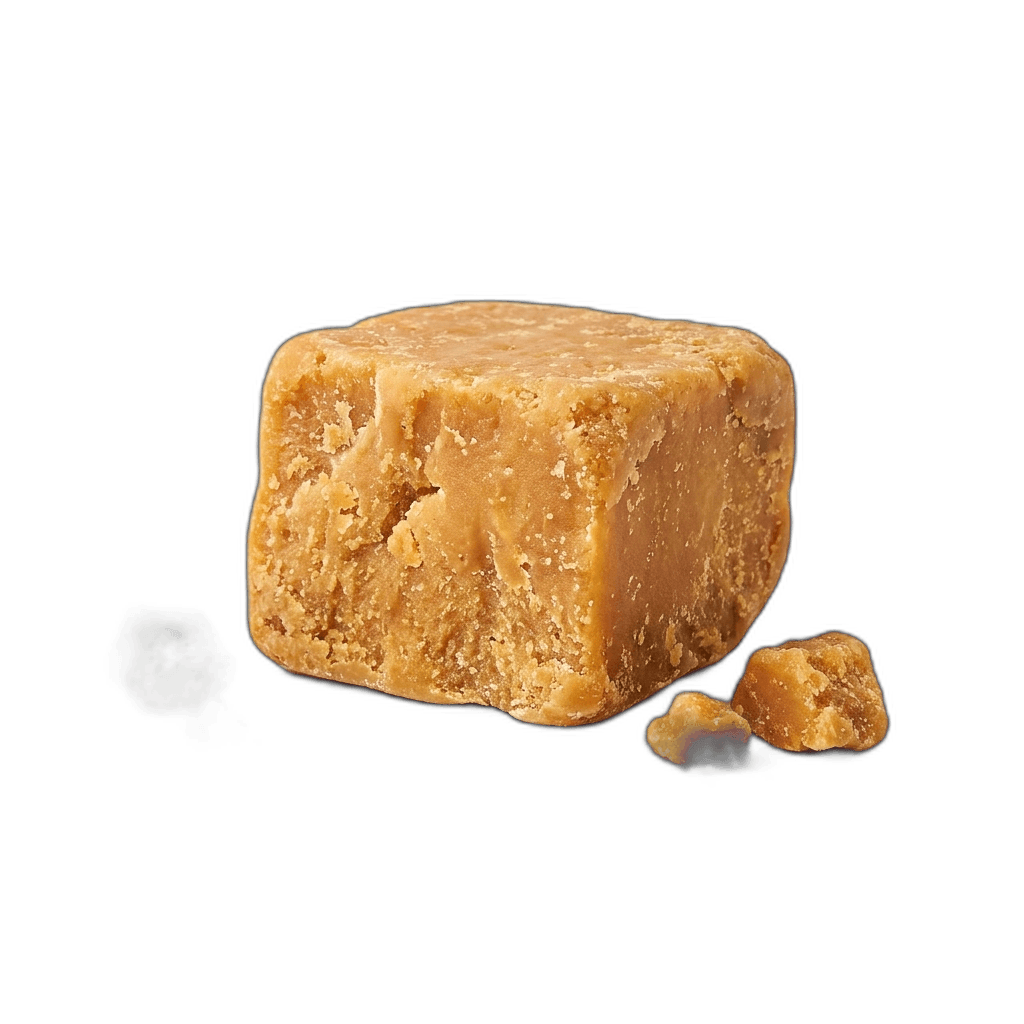
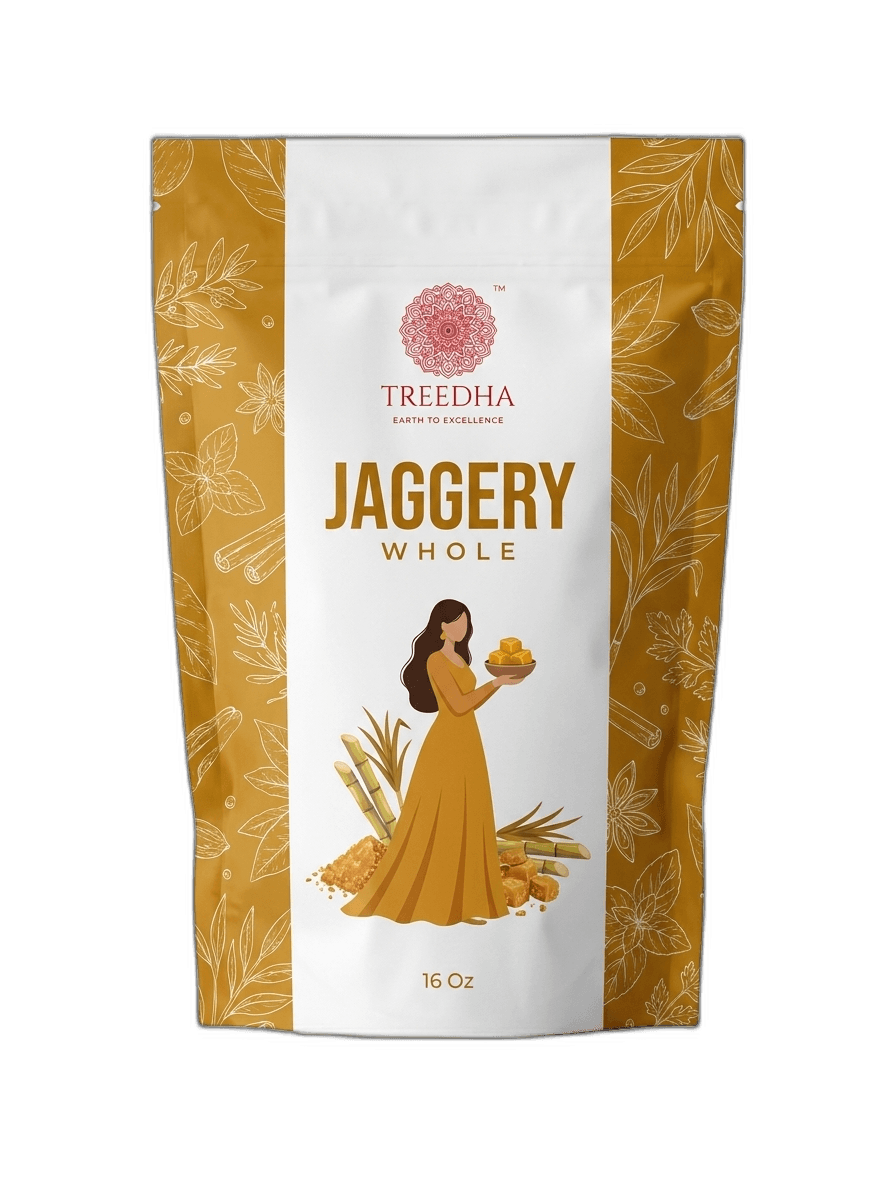
Scellé à pleine maturité, expédié avec sa provenance.
Conditionné dans des sachets refermables de qualité alimentaire qui préservent l'arôme et la couleur — chacun étiqueté avec son origine, son grade et son profil gustatif.
- Ceinture de Kolhapur, Maharashtra, Inde
- Doré premium, jaggery de région IG
- Sucre de canne non raffiné bouilli en cuve ouverte
- Bloc / galette solide
- Sans colorant, soufre ni charges ajoutés
- 12-18 mois ; conserver au frais et au sec pour éviter l'agglomération
Également appelé · Panela · Piloncillo · Rapadura · Gur
Comment l'utiliser
Pour sucrer le masala chai et les sucreries sud-asiatiques
Pâtisserie riche en caramel et barres énergétiques
Glaçages, chutneys et sauces au tamarin
Une alternative complète au sucre raffiné
Boissons chaudes d'hiver au gingembre et au sésame
Jaggery (Gur / Gud), also known as Panela, Piloncillo, or Rapadura, is an unrefined, additive-free sweetener produced by open-pan boiling of sugarcane juice. Sourced from the Kolhapur belt in Maharashtra, India, it offers a distinct caramel-molasses flavour for bulk and private-label buyers worldwide.
Sourcing & Origin
Treedha's premium golden Jaggery (Gur / Gud) originates exclusively from the renowned Kolhapur belt in Maharashtra, India. This region is celebrated for its fertile soil and optimal climatic conditions, which are ideal for cultivating sugarcane with a naturally high sucrose content. The traditional open-pan boiling method employed here, often passed down through generations, ensures a distinct flavour profile unique to this origin.
The annual harvest season typically spans from October to May. Sourcing from Kolhapur provides bulk buyers with a consistent supply of high-quality, authentic Jaggery that meets stringent purity standards, critical for discerning importers and food manufacturers. The regional expertise in Jaggery production ensures a reliable product with full provenance, distinguishing it from generic unrefined sugars.
Export Grades & Specifications
Treedha offers premium golden grade Jaggery, distinguished by its natural colour, rich flavour, and additive-free purity. This grade is processed without sulphur or artificial bleaching agents, ensuring a product that is 100% natural sugarcane Jaggery. Key specifications focus on consistency and stability for international trade.
Our Jaggery typically presents a natural golden-brown to dark-golden hue, indicating its traditional processing. Moisture content is rigorously controlled, maintained between 2-6% to ensure optimal shelf stability and prevent caking or microbial growth during transit and storage. For powdered forms, a fine, free-flowing granulation of less than 3mm is prioritised for easy integration into manufacturing processes. Sucrose content is consistently above 80%, reflecting its high purity. Here is a comparison of typical specifications for our premium golden grade:
| Specification | Premium Golden Grade Jaggery (Treedha) |
|---|---|
| Colour | Natural Golden-Brown to Dark-Golden |
| Purity | 100% Sugarcane Jaggery, Additive-Free |
| Moisture Content | 2-6% (typically ≤ 7%) |
| Sucrose Content | > 80% |
| Granulation | Fine, free-flowing (< 3mm for powder) |
| Ash Content | ≤ 5% |
| pH | 6.0-6.6 |
| Reducing Sugar | Max. 6% |
| Taste/Aroma | Rich, earthy, caramel notes, natural |
| Form | Solid block / cake |
Quality, Safety & Compliance
Compliance with international food safety standards is paramount for Treedha's Jaggery exports. We ensure all batches are ETO-free, though Ethylene Oxide is not a primary concern for Jaggery, unlike some spices. Our rigorous testing protocols address critical parameters for both EU and US markets.
Jaggery consignments undergo comprehensive laboratory analysis to meet strict limits for aflatoxins, heavy metals (lead, arsenic, cadmium, mercury), and pesticide Maximum Residue Limits (MRLs). Microbiological purity is confirmed through screening for pathogens such as Salmonella and E. coli. Each shipment is accompanied by a batch-specific Certificate of Analysis (COA) from a NABL-accredited lab, verifying these critical specifications. Treedha also provides essential documentation including Phytosanitary Certificates, Health/Sanitary Certificates, and Certificates of Origin. Our facilities hold HACCP and ISO 22000 certifications, demonstrating robust food safety management, and we possess the mandatory APEDA RCMC and FSSAI licenses for export from India.
Global Demand & Target Markets
The global demand for Jaggery (Gur / Gud, Panela, Piloncillo, Rapadura) is steadily rising, driven by a growing consumer preference for natural, unrefined sweeteners. Buyers across various markets seek Jaggery for its perceived health benefits, including mineral content and traditional uses, as well as its versatile application in food and beverage formulation.
The United States has emerged as a particularly fast-growing destination, with strong interest in Jaggery powder for integration into functional foods, beverages, and industrial baking. Other significant importing regions include the UAE and GCC countries, Malaysia, Kenya, and Indonesia, largely influenced by strong South Asian diaspora communities and increasing local appreciation. Australia, New Zealand, the UK, and Canada also represent growing markets for high-quality Indian Jaggery, driven by trends towards natural and traceable ingredients.
Logistics, HS Code & Packing
Efficient logistics are crucial for the seamless delivery of bulk Jaggery (Gur / Gud) to global partners. The primary Harmonized System (HS) codes for Indian Jaggery exports fall under 1701. More specifically, codes like 17011310 (Cane Jaggery (Gur)), 17011410 (Certified organic solid or powdered Jaggery), and 17011420 (Cane Jaggery – granular or powdered) ensure accurate customs classification.
Treedha offers Jaggery in robust bulk packaging solutions, typically in 25kg or 50kg lined sacks, designed to protect the product's integrity and shelf life during transit. While we do not quote specific quantities without understanding buyer needs, our approach to Minimum Order Quantity (MOQ) is flexible, structured to accommodate the requirements of importers, distributors, and private-label partners, with Incoterms negotiated for mutual convenience. The shelf life for our Jaggery is consistently 12-18 months when stored in cool, dry conditions, preventing caking and maintaining product quality.
- cybex.in — cybex.in
- credlix.com — credlix.com
- scribd.com — scribd.com
- dakxinpath.com — dakxinpath.com
- odoo.com — odoo.com
- botanikabharat.com — botanikabharat.com
Questions
- Le gur est-il la même chose que le jaggery ?
- Oui. Gur (ou gud) est le nom indien du jaggery, le sucre de canne complet non raffiné connu en Amérique latine sous le nom de panela ou piloncillo et au Brésil sous le nom de rapadura.
- En quoi le jaggery diffère-t-il du sucre brun ?
- Le sucre brun est du sucre blanc raffiné auquel on a réajouté de la mélasse. Le jaggery n'est jamais raffiné ni centrifugé, il conserve donc toute la mélasse, les minéraux et la saveur naturels de la canne.
- Comment dois-je le conserver pour l'empêcher de devenir collant ?
- Gardez-le scellé dans un endroit frais et sec, à l'abri de l'humidité. Le jaggery absorbe facilement l'humidité, principale cause de ramollissement et d'agglomération.
- What are the common Western trade names for Jaggery?
- Jaggery is widely known in international trade by several Western names, including Gur / Gud, Panela, Piloncillo, and Rapadura.
- Where does Treedha's Jaggery originate?
- Treedha's Jaggery is sourced exclusively from the Kolhapur belt in Maharashtra, India, a region celebrated for its superior sugarcane cultivation and traditional Jaggery production methods.
- Is Treedha's Jaggery additive-free and compliant with international standards?
- Yes, our Jaggery is premium golden grade, 100% additive-free, and processed without sulphur or artificial bleaching agents. It is rigorously lab-tested to comply with strict EU and US import limits for aflatoxins, heavy metals, pesticide MRLs, and microbiological purity.
- What documentation is provided with bulk Jaggery shipments?
- Each bulk Jaggery shipment includes a Certificate of Analysis (COA) from a NABL-accredited lab, Phytosanitary Certificates, Health/Sanitary Certificates, and a Certificate of Origin. We also hold HACCP, ISO 22000, APEDA RCMC, and FSSAI licenses.
- What is the typical shelf life and recommended storage for bulk Jaggery?
- Treedha's Jaggery has a shelf life of 12-18 months. It should be stored in a cool, dry environment to maintain its quality and prevent caking.
- What are the primary HS codes for Jaggery when importing from India?
- The general HS code for Jaggery is 1701. Specific Indian export HS codes include 17011310 (Cane Jaggery (Gur)), 17011410 (Organic solid/powdered Jaggery), and 17011420 (Granular or powdered Cane Jaggery).