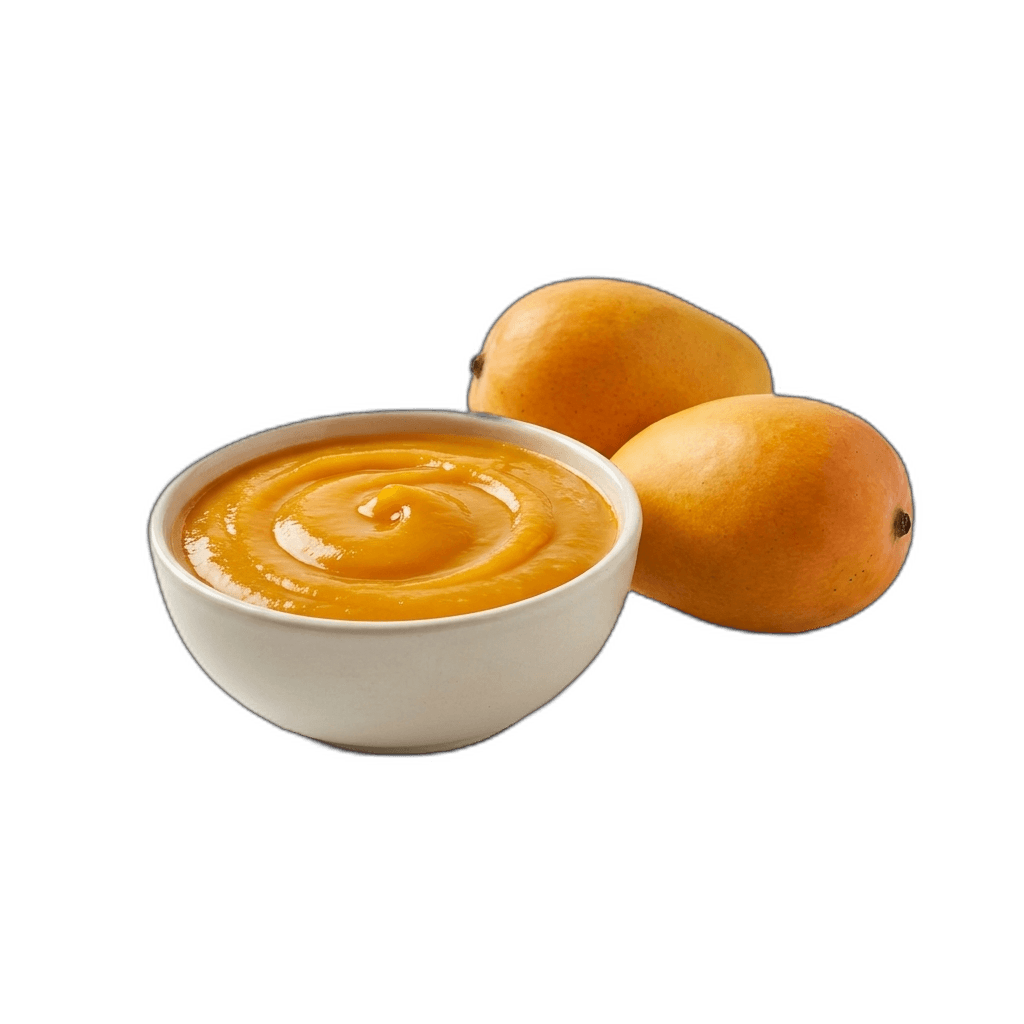
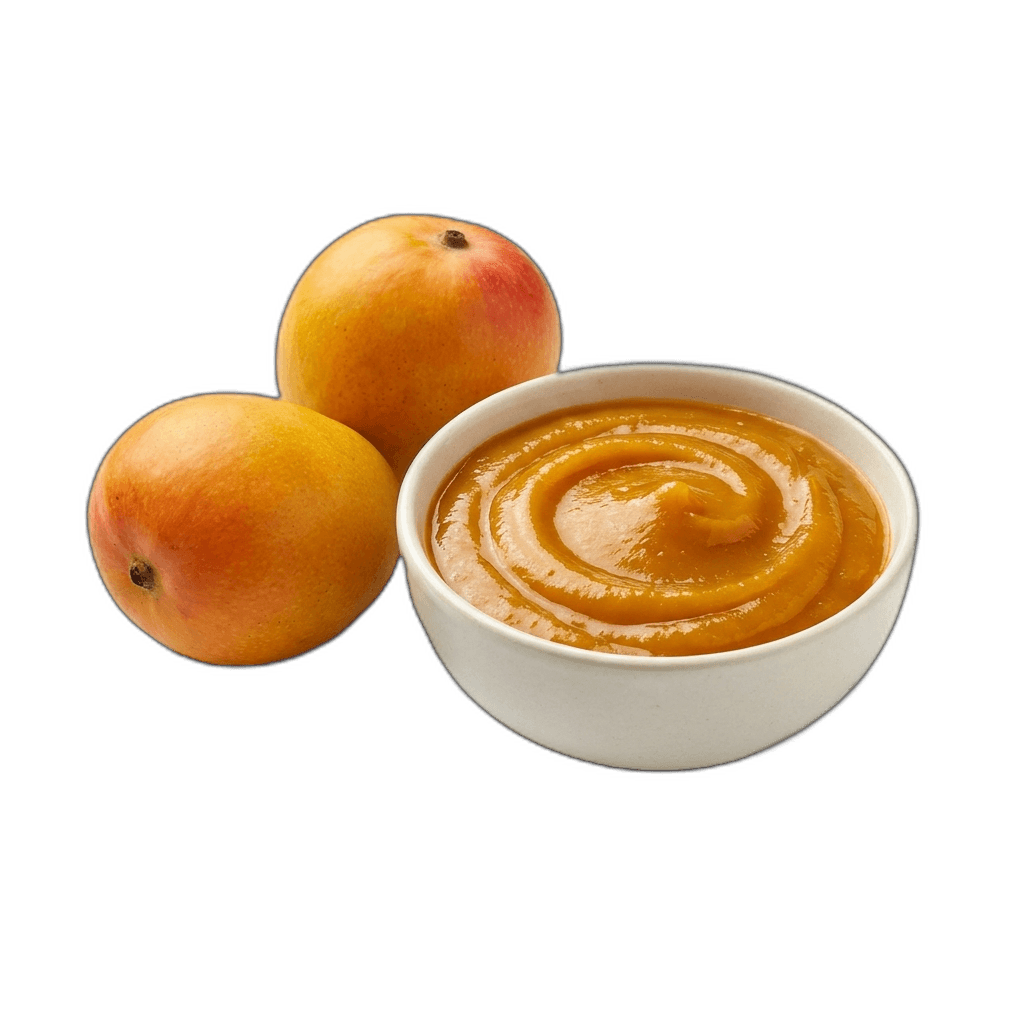
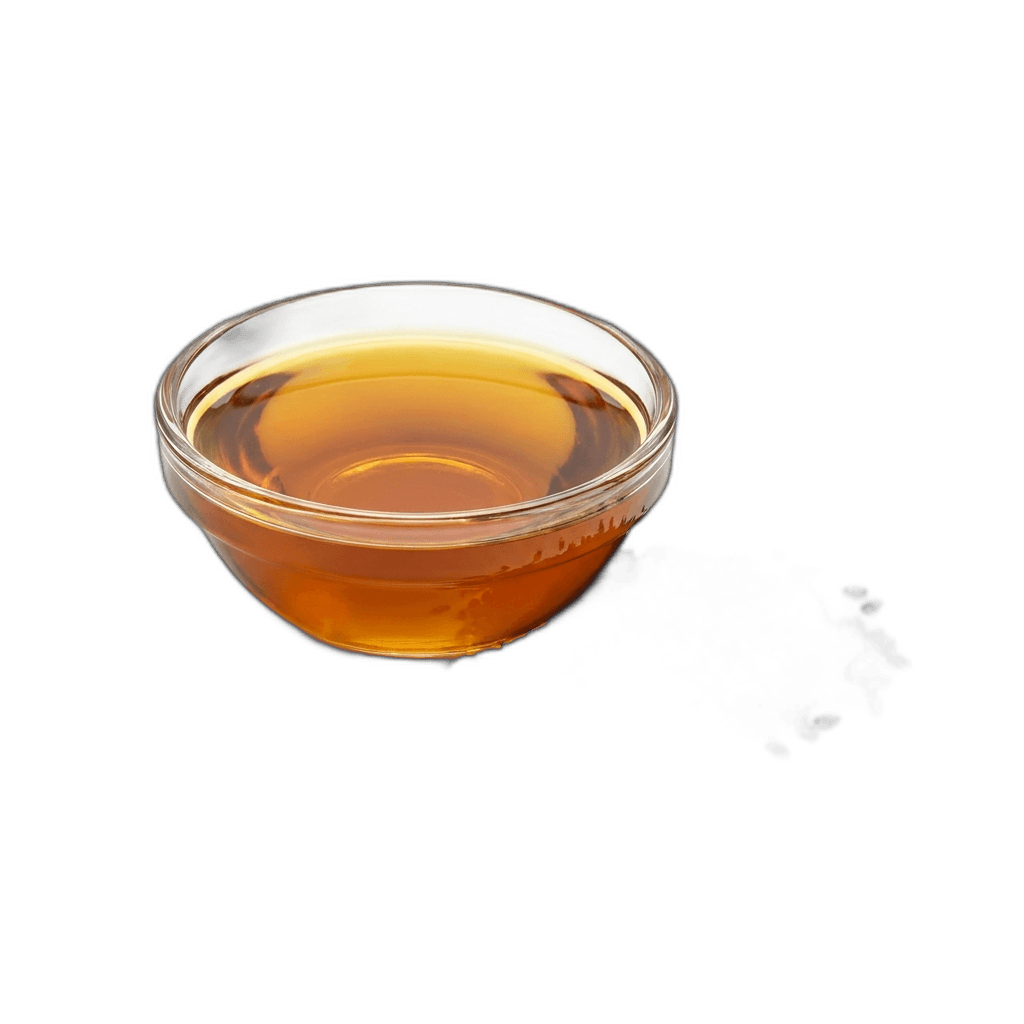
Tamarind
Imli
Pressad ur de soltmognade baljorna från tamarindträdet i Indiens södra lundar bär detta kärnfria fruktkött en djup, fruktläderaktig syrlighet med en dadelliknande sötma i kanten. Den levereras som en pressad kaka att blötlägga och sila, eller som ett färdigt koncentrat, och utgör ryggraden i sambar, rasam och chutneys samt den syrliga tonen i Pad Thai, Worcestershire och mexikanska aguas.

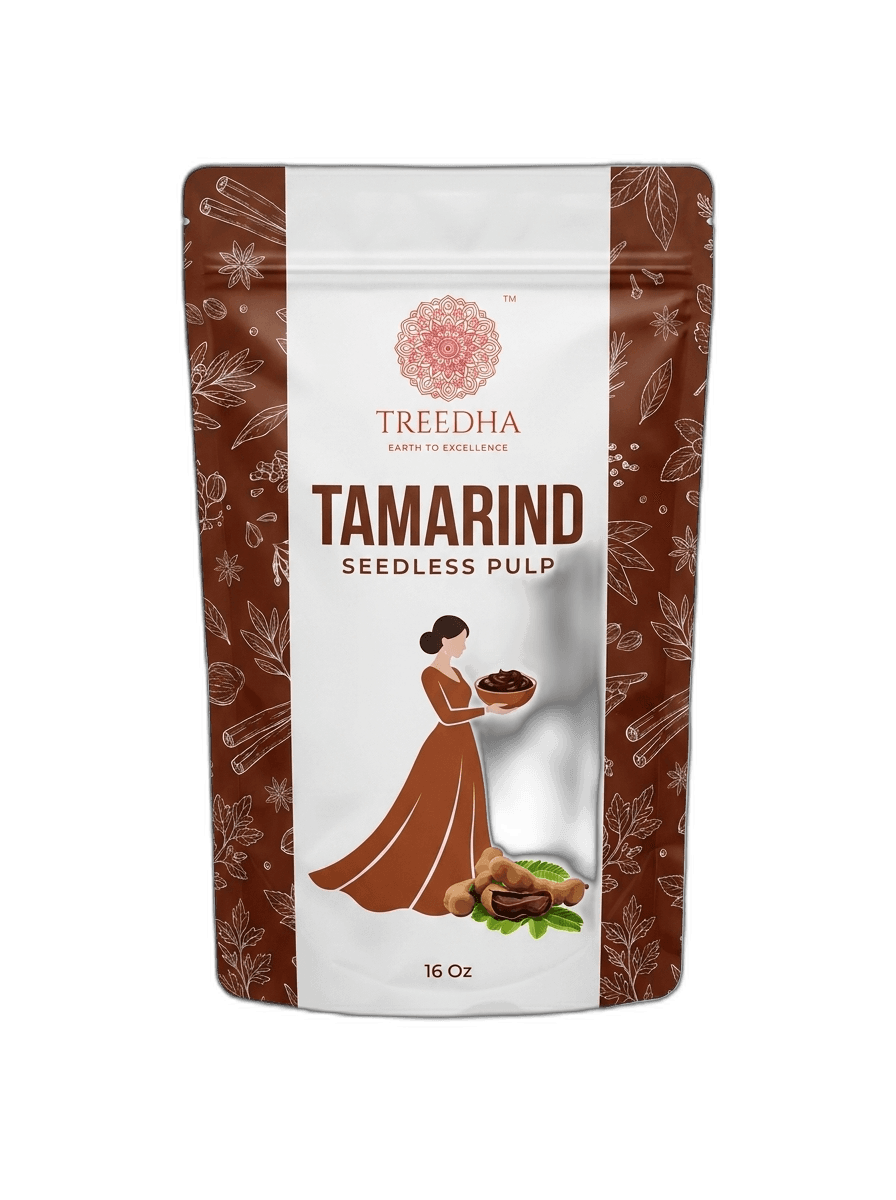
Förseglad på topp, levererad med ursprung.
Förpackad i återförslutningsbara påsar av livsmedelskvalitet som låser in arom och färg — var och en märkt med ursprung, kvalitet och smakprofil.
- Indien
- Kärnfritt vått fruktkött, fiberfattigt
- Pressad kaka / koncentratpasta
- Inget · 100 % frukt
- Inga färgämnen · inga konserveringsmedel · laboratorietestad
- 12-24 månader förseglad
Även känd som · Tamarindo · Tamarindus indica · Asam
Så använder du den
Blötlagd och silad för sambar, rasam och sydindiska gravies
Syrlig ton i Pad Thai och sydostasiatiska wokrätter
Bas för söt-sura chutneys och chaat
Marinader, glaze och barbecuesåser
Tamarinddrycker, agua fresca och godis
Tamarind (Imli), also known as Tamarindo, is a souring agent derived from the fruit pods of *Tamarindus indica*. Treedha offers premium seedless wet pulp, sourced from Southern India, meticulously processed and lab-tested to meet stringent international food safety standards for bulk and private-label buyers.
Sourcing & Origin
Treedha's premium seedless wet tamarind pulp (Imli, Tamarindo) originates from the heartlands of Southern India, specifically the renowned growing belts of Tamil Nadu, Andhra Pradesh, and Karnataka. These regions are celebrated for their ideal climatic conditions and fertile soils, which contribute to the distinct flavour profile and high pulp yield of the Tamarindus indica fruit.
The harvest season typically spans from January to April. Our direct sourcing model ensures that the tamarind pods are selected at optimal ripeness from dedicated farms. This focus on specific Indian origins guarantees a consistent supply of high-quality raw material, which is critical for bulk importers seeking uniformity in their product lines.
Export Grades & Specifications
Treedha specialises in premium seedless wet tamarind pulp, carefully processed to be low in fibre and high in purity. This grade is favoured by industrial and food service buyers for its ease of use and consistent application in various culinary products. Our tamarind is available either hand-deseeded and compressed into a slab/block or as a strained and reduced concentrate paste.
Key specifications ensure our product meets the exacting standards of the international bulk trade, with no added colours or preservatives. We confirm the product is 100% fruit, ensuring natural flavour and integrity for private-label applications. For microbiological safety, our standards include stringent limits for Total Plate Count, Yeast & Mould, and the complete absence of Coliform, E. Coli, and Salmonella in 25g. The table below details our premium specifications:
| Specification | Premium Seedless Wet Pulp (Slab/Paste) |
|---|---|
| Origin | India (Southern) |
| Grade | Premium Seedless Wet Pulp, Low-fibre |
| Form | Compressed Slab / Concentrate Paste |
| Added Sugar | None |
| Purity | No colours, no preservatives |
| Moisture Content | < 25% (for pulp/paste) |
| Total Soluble Solids (Brix) | Min 55-65° Brix (for concentrate) |
| Acidity (as Tartaric Acid) | 8-12% (typical for pulp/paste) |
| Fibre Content | < 5% |
| Seed Content | Absent |
| Foreign Matter | Free from foreign matter |
| pH | 2.5-3.5 |
| Microbiological | Salmonella Absent in 25g |
Quality, Safety & Compliance
Adherence to international food safety regulations is paramount for Treedha. Our premium tamarind pulp (Imli, Tamarindo) is processed without ethylene oxide (ETO) fumigation, aligning with strict EU directives where ETO is not approved for herbs and spices. This commitment ensures our product is free from harmful residues, which is critical for avoiding import rejections in regulated markets like the EU and USA.
We rigorously test for aflatoxins and mycotoxins, complying with EU Regulation (EU) 2023/915 (e.g., Aflatoxin B1 < 2.0 µg/kg for direct consumption) and US FDA limits (generally 20 µg/kg for total aflatoxins). Pesticide Maximum Residue Levels (MRLs) are strictly monitored, meeting EU Regulation (EC) No 396/2005 and US FDA standards. We assure absence of prohibited Sudan dyes and adhere to heavy metal limits set by EU Regulation (EU) 2023/915 (e.g., lead < 0.6 mg/kg for fruit spices) and US FDA guidelines. Every shipment is accompanied by a comprehensive Certificate of Analysis (COA) and, where required, a Phytosanitary Certificate, ensuring full traceability and compliance.
Global Demand & Target Markets
The global demand for tamarind (Imli, Tamarindo), particularly in its processed forms like pulp and paste, is robust and growing. This surge is driven by the increasing popularity of diverse ethnic cuisines worldwide, with tamarind serving as a foundational ingredient in Indian, Thai, Mexican, and other Asian and Latin American dishes. Key importing regions for Indian tamarind include the United States, United Arab Emirates, Australia, Europe (e.g., UK, Germany, France), and markets across the Middle East and Asia.
Beyond ethnic food, demand is fuelled by a global shift towards natural and clean-label ingredients, where tamarind offers a natural flavouring and souring agent. Its functional food applications, owing to its rich content of antioxidants and fibre, also contribute significantly to its appeal in health-conscious markets. Furthermore, the food processing sector extensively utilises tamarind in sauces, marinades, beverages, and confectionery, while the craft beverage industry is increasingly incorporating it into artisanal sodas and cocktails.
Logistics, HS Code & Packing
For international trade, Treedha's premium seedless wet tamarind pulp falls under the Harmonized System (HS) code 0813.40, specifically 0813.40.10 for peeled or dried tamarind products, or 2007.99 for more processed forms like concentrate. This ensures accurate customs classification and smooth import processes for our buyers.
Treedha offers tamarind in various bulk pack sizes, including options suitable for industrial and private-label use. While we maintain a flexible approach to Minimum Order Quantity (MOQ) to accommodate diverse buyer needs, we typically discuss specific requirements to facilitate efficient bulk shipments. Our standard Incoterms offerings include FOB, CIF, and CFR, providing flexibility for our partners. With appropriate storage, our tamarind pulp boasts a shelf life of 12-24 months when sealed, ensuring product stability and freshness during transit and warehousing.
- zapro.ai — zapro.ai
- tradologie.com — tradologie.com
- ofi.com — ofi.com
- vannsspices.com — vannsspices.com
- bfspices.com — bfspices.com
- vlcspices.com — vlcspices.com
Frågor
- Är imli samma sak som tamarind?
- Ja. Imli är det hindiska namnet på tamarind, fruktköttet från baljan av Tamarindus indica. Kakan och pastan är samma frukt i två format.
- Hur använder jag kakan jämfört med pastan?
- Bryt av en bit av kakan, blötlägg i varmt vatten i tio minuter, krama sedan och sila för att göra tamarindvatten. Koncentratpastan löses upp direkt i het vätska, vilket gör den snabbare för vardagsmatlagning.
- Innehåller den tillsatt socker?
- Nej. Vår tamarind är rent fruktkött utan något tillsatt, så dess naturliga balans mellan sött och surt kommer helt från den mogna baljan.
- What is premium seedless wet tamarind pulp?
- Premium seedless wet tamarind pulp (Imli, Tamarindo) is a high-quality, processed form of the tamarind fruit, where the seeds and most fibrous material have been removed. It is then compressed into a slab or reduced to a concentrate paste, providing a consistent, ready-to-use souring agent for culinary and industrial applications.
- From which region in India does Treedha source its tamarind?
- Treedha exclusively sources its premium tamarind (Imli, Tamarindo) from the prime growing regions of Southern India, specifically Tamil Nadu, Andhra Pradesh, and Karnataka. This origin ensures the authenticity and superior quality characteristic of Indian tamarind.
- Is Treedha's tamarind pulp ETO-free and compliant with EU/US standards?
- Yes, Treedha's tamarind pulp is guaranteed ETO (ethylene oxide)-free. We rigorously adhere to international food safety standards, including EU regulations (e.g., Regulation (EU) 2023/915 for aflatoxins) and US FDA limits for contaminants such as aflatoxins, heavy metals, and pesticide residues (MRLs).
- What are the typical packaging options for bulk tamarind orders?
- For bulk orders, Treedha offers tamarind pulp in various industrial-friendly packaging formats. These typically include vacuum-sealed bags and bulk drums designed to preserve freshness and quality during transit and storage. Specific requirements can be discussed to meet buyer needs.
- What documentation does Treedha provide with bulk tamarind shipments?
- Treedha provides comprehensive export documentation with every bulk tamarind (Imli, Tamarindo) shipment. This includes a Certificate of Analysis (COA) confirming product specifications, a Phytosanitary Certificate (where required), a Commercial Invoice, Packing List, Certificate of Origin, and Bill of Lading, ensuring smooth customs clearance.